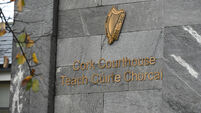
Human rights body: Abolition 'the only viable solution' for Special Criminal Court
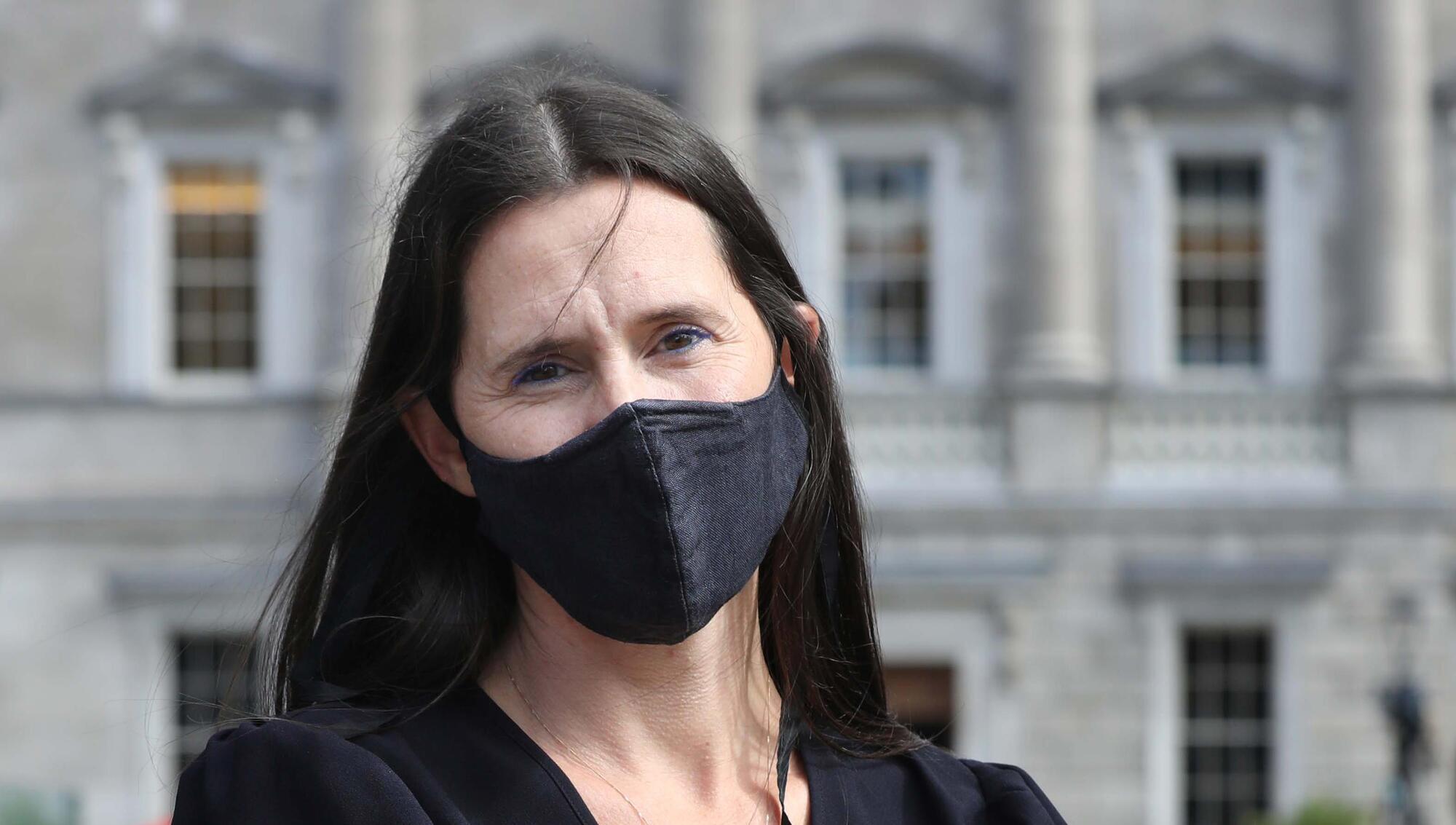
Chief Commissioner of the Irish Human Rights and Equality Commission, Sinéad Gibney, said: “The extension of the Special Criminal Court to tackle organised crime has seen it evolve into an institution that is far removed from the circumstances it was established to address in 1972." File photo: Leah Farrell/Rollingnews.ie
The State’s human rights authority says the Special Criminal Court should be abolished outright.
The intervention of the Irish Human Rights and Equality Commission (IHREC) comes as a high-level Government committee is examining the future of the non-jury court.
The Commission said that if the Government decides to keep the court that a number of significant amendments need to be made immediately to its operations, including a new Oireachtas oversight committee.
Recommending abolition, the IHREC is calling on the Government to declare that the ordinary, jury, courts are adequate to secure the effective administration of justice and the preservation of public peace and order.
The Commission said there are “significant human rights and equality concerns” associated with the court and the Offences Against the State Act (OASA), which established it and governs its operation.
The Commission said it has made the recommendations as Ireland’s National Human Rights Institution and National Equality Body to the Government’s Independent Review Group. The group, chaired by Mr Justice Michael Peart, is due to complete its work and submit its report by April 2022.
The Commission said that abolition “is the only viable solution” in order to vindicate the rights of an accused to a fair trial.
It said the provisions of the OASA, and in particular those relating to the SCC, affect a number of fundamental rights protected under the Constitution, the European Convention on Human Rights Act 2003, European Union law and international human rights law.
These rights include the right to a trial by jury, the right to a fair trial; the right to equality before the courts, right to cross-examine, the right to silence and the privilege against self-incrimination.
It said that should the Government “decide not to abolish” the SCC that significant immediate amendments need to be made to the SCC’s operations, including a new Oireachtas oversight committee and the definition of what conditions should be met to allow for abolition and repeal.
As reported in the last July, use of the court has increased in recent years, with a five-fold jump between 2015 to 2020, from 45 cases to 136. This has been driven by so-called ‘gangland offences’.
IHREC Chief Commissioner Sinéad Gibney stated: “The extension of the Special Criminal Court to tackle organised crime has seen it evolve into an institution that is far removed from the circumstances it was established to address in 1972.
“Ireland’s criminal justice system is capable of effectively confronting the problem of organised crime without resorting to a parallel criminal justice system that deprives the accused of their right to trial by jury.”
CONNECT WITH US TODAY



Be the first to know the latest news and updates