'I just wish I could go back in time ... I wish I had a time machine,' Deirdre Morley tells court
Woman who suffocated her three young children says she was  'a people pleaser' and had tried to hide the extent of her mental deterioration and her darkening thoughts from her family
'I just wish I could go back in time ... I wish I had a time machine,' Deirdre Morley tells court

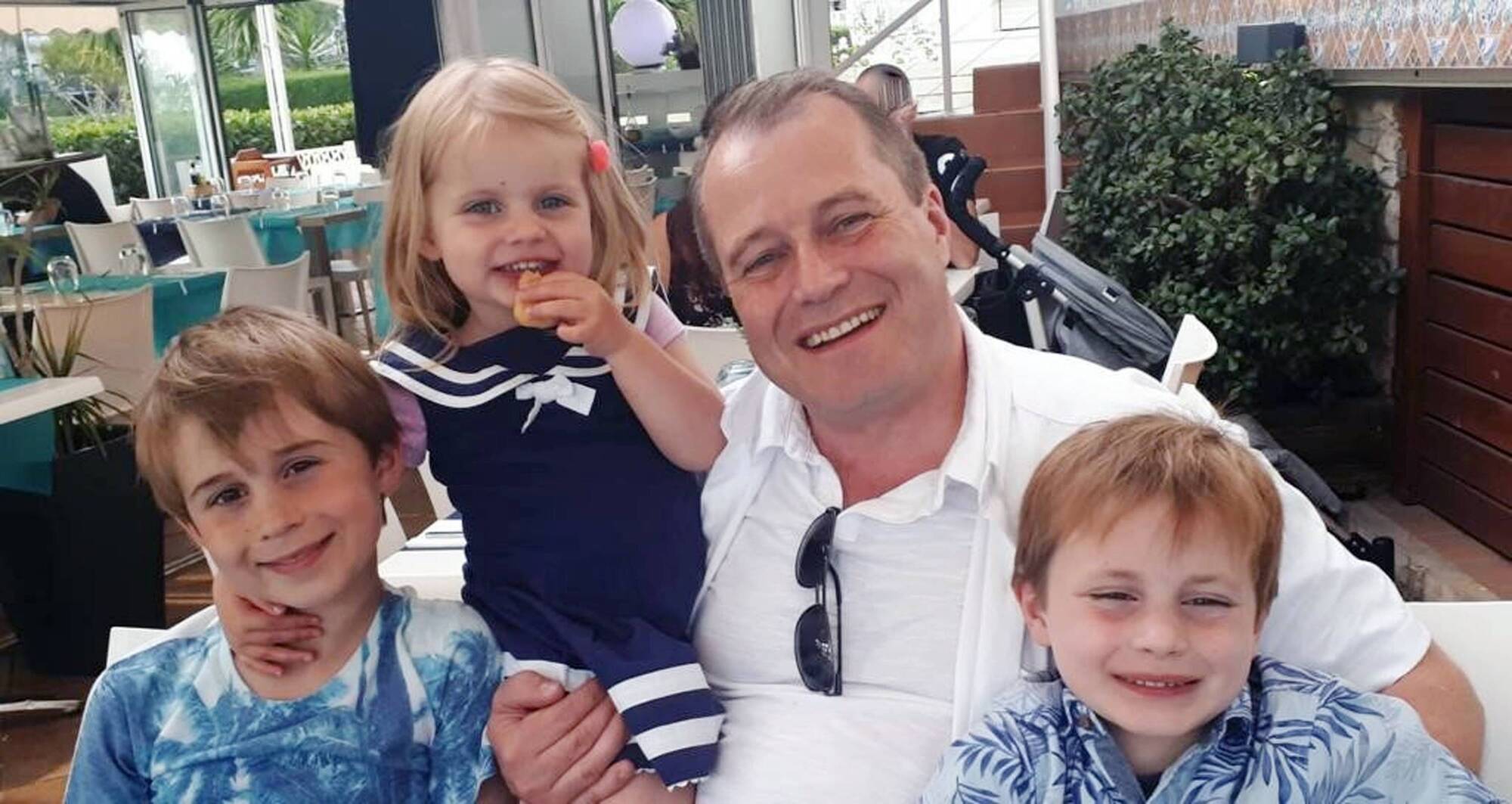
Conor, Darragh, and Carla pictured with their father Andrew McGinley.

“I just wish I could go back in time ... I wish I had a time machine,” a woman who suffocated her three young children told the Central Criminal Court.

Deirdre Morley is pleading not guilty by reason of insanity to the murder of Conor McGinley, aged 9, Darragh McGinley, aged 7, and Carla McGinley, aged 3, at their home in Parson’s Court, Newcastle, Co Dublin, on January 24 last year.

WARNING: Readers may find the following content upsetting

Ms Morley, aged 44, sat quietly throughout the trial, wearing a surgical mask and dark clothing, as disturbing details about how she killed her three children, were given to the court.

She planned to kill them on January 23, lacing their food with prescription drugs — morphine and Tylex — to sedate them before she suffocated them.

But when the boys immediately tasted something "disgusting" in their cereal — crushed morphine tablets — she aborted her plan.

She said she felt “relieved” going to bed that night that she had not killed them. 

Her two sons, Conor and Darragh slept in her bed that night “as a special treat” as their father, Andrew McGinley, was in Cork for the night on a work trip.

But the following morning was “difficult”, she said. 

Overwhelmed

“Overwhelmed” after a disagreement with Darragh about screen time, she decided she “just had to end our suffering”.

She put thick brown tape over his mouth and a plastic bag over his head and suffocated him in the front room.

She said that she “had to kill Carla then”. She put a white bag over the little girl’s head and a cushion over her mouth as she watched Trolls in the dining room.

When she realised the child was still breathing, she put a pillow cover over her head and held her nose until she stopped.

She then signed Conor out of school early, citing family reasons. Other parents who saw her on that trip noticed nothing unusual about her.

She said that killing Conor was more difficult because he was "being really good".

She considered dropping him off to a friend's house instead of killing him but was "uncertain" if he would be OK so she smothered him too.

Conor, Darragh, and Carla pictured with their father Andrew McGinley.

Throughout the day, she answered calls and text messages appearing to be calm. She texted ‘so exciting’ to her niece when she contacted her about wedding invitations.

But expert medical opinion concluded that she was suffering bipolar affective disorder type 2 and a severe depressive episode at the time of the killings.

She "had slipped into a depressive episode so severe her thinking had become delusional and psychotic”, the court heard.

Ms Morley said that she was “a people pleaser” and had tried to hide the extent of her mental deterioration and her darkening thoughts from her family.

But she now wishes she had reached out to her husband and family for help, she said.

She wishes that she had waited for her husband to come home that night and gone away for the weekend to rest instead of “catastrophising” the situation and killing her children and planning to kill herself.

Family history

One of eight siblings, Ms Morley was born in Dublin to a family “of perfectionists at work”. She said that there was a family history of “OCD and depressive tendencies” and her family can be ‘easily stressed’.

She said that she became “too close” to her mother after her father died, age 56, when Ms Morley was just 20 months old.

She first reported mental health difficulties in 1996, becoming “very homesick” when she moved to Cork to study nursing.

But her condition improved as she settled in Cork and made friends.

She met her husband, Andrew McGinley in 2002, moved in with him in 2005, and they married in 2008.

“We wanted the same things, we slotted into each other's lives,” she said.

They “really came together” with the birth of their first child, Conor, she said.

“[Andrew] is very paternal, he loves kids, we really came together when we had kids.” 

But in retrospect, her mental health may have caused problems in their relationship, she said.

But “I never stopped loving him. He was a really good guy,” she said.

“I really miss my kids and husband. I don’t know how you live with these things," she said in an interview following the deaths.

Since the killings, she said that she has written numerous letters to her husband "to try to make sense of things".

But since the deaths, Ms Morley said that she found the anti-psychotic medication Olanzapine “a wonder drug”.

She was prescribed 7.5mg daily of the anti-psychotic medication, primarily used to treat schizophrenia and bipolar disorder, to tackle her delusions regarding her children.

"It's allowed me to be the real me, calm, I wouldn’t hurt anyone," she said.

Admission to the Central Mental Hospital after the killings, "took a lot of getting used to — being locked up," she said. 

She was grieving and took some time to get used to her medication but she "integrated into the ward more in time".

She described wanting to move forward to escorted community leave when the trial was over. 

If you have been affected by any of the issues raised in this report you can contact:

Samaritans Helpline on 116 123

Pieta House 24/7 Helpline on 1800 247 247

x

More in this section

Lunchtime News

Newsletter

Get a lunch briefing straight to your inbox at noon daily. Also be the first to know with our occasional Breaking News emails.

Cookie Policy Privacy Policy Brand Safety FAQ Help Contact Us Terms and Conditions

© Examiner Echo Group Limited