Ireland can be 'world leader' in dog assistance for survivors of sexual abuse
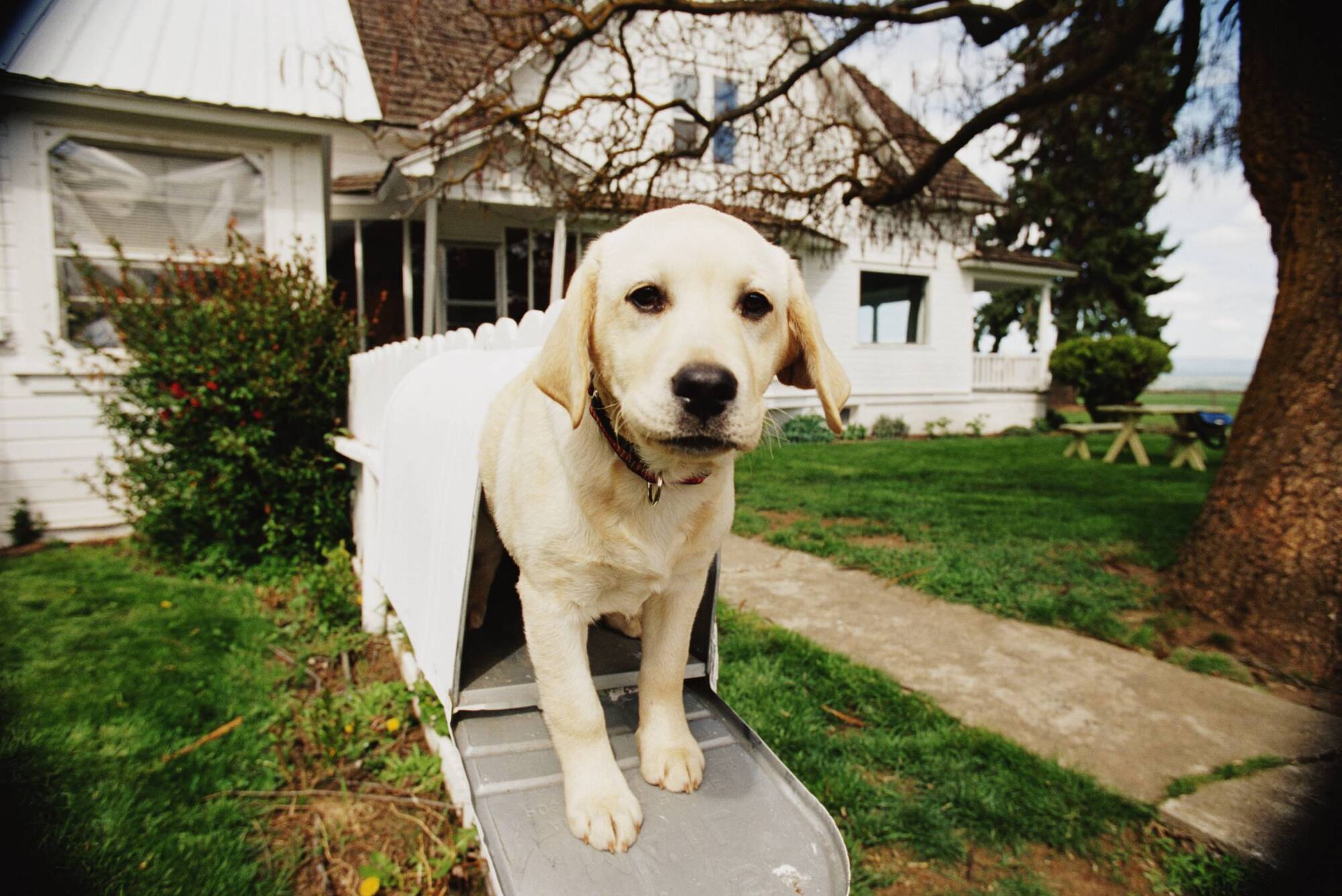
The project could mean specially trained dogs would be able to stay in the video link room with a child while they give evidence, as well as other support functions.
The Special Rapporteur on Child Protection has said Ireland has the potential to become a "world leader" in assisting the needs of those who have suffered sexual abuse by using facility dogs to help them in the criminal justice system.
Last year, Children At Risk in Ireland (CARI) advertised for the part-time position of Court Accompaniment Officer and Secondary Dog Handler as part of its two-year pilot research project to assess the impact of a facility dog in mitigating trauma for children in the Irish Justice System.

Eve Farrelly, CARI executive director, told the Irish Examiner at the time that it was "groundbreaking stuff" and that it would mean specially trained dogs would be able to stay in the video link room with a child while they give evidence, as well as other support functions.
Now, in a guest blog on the website of another support organisation, One In Four, Professor Conor O’Mahony of the School of Law at University College Cork said researchers in the college will be involved in assessing the effectiveness of facility dogs in mitigating the risk of re-traumatisation for people who have experienced sexual abuse.
Prof. O'Mahony, who delivered his first report as government-appointed Rapporteur last December, said the use of facility dogs was already occurring in America, such as through the Courthouse Dogs Foundation in Seattle, Washington, where specially trained dogs accompany sexual abuse survivors during their police interview, forensic examination and courtroom testimony.
Professor Conor O’Mahony, Government of Ireland Special Rapporteur on Child Protection, has kindly agreed to write our guest blog this week on mitigating re-traumatisation in sexual abuse cases with the use of specially trained dogs @ConorUCCLaw @cari_ie https://t.co/dqJ3KGn0Rx
— One in Four (@oneinfourirish) May 6, 2021
"In addition to the risk of re-traumatisation, children who have suffered the trauma of sexual abuse typically struggle to share details of their experiences with others and are likely to mistrust adults, which can hinder communication," he said.
"Facility dogs can help to overcome both the risk of re-traumatisation and the barriers to effective communication. The presence of a facility dog accompanying the child leads to decreased biological stress indicators.
"The dog provides comfort and assists a child witness to remain calm so that they can cognitively process and respond to the questions. The animal can provide a bridge between a child and a social worker during questioning about a traumatic event. This increased sense of comfort leads to higher levels of social interaction and a safer environment for disclosures to take place.
He said Victim Support Europe is leading a facility dogs project, funded by the EU’s Justice Programme (2014-2020), in Belgium, France and Italy and researchers at the School of Law in UCC will work to assess the effectiveness of facility dogs.
He referred to the Barnahaus/Onehouse centre in Galway, the country's first multi-agency specialist centre for victims of child sexual abuse, and said while facility dogs have not yet been introduced in Ireland, now is "the perfect opportunity to do so".
"While the Barnahus model is internationally recognised as best practice in the field, no country has yet combined the benefits of the Barnahus model with the use of facility dogs.
"Ireland has an opportunity to become a world leader in meeting the needs of people who have experienced sexual abuse by incorporating facility dogs into the Barnahus/Onehouse project and documenting the resulting synergies."