Osteoporosis levels among elderly people across Munster fall sharply, UHL study finds
'The findings raise the possibility that future generations of older people may face a substantially different burden of bone disease than previously expected.'
Elderly people are getting physically less fragile, a new study carried out in the Mid-West has revealed.
One of the key findings of the research into bone density carried out among almost 70,000 elderly people from Limerick, Clare, and Tipperary is a big drop in osteoporosis, a major cause of hip fracture falls.
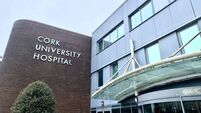
The study carried out at University Hospital Limerick and St Camillus Hospital, Limerick, saw a drop in osteoporosis levels from 19% to 7% when bone density tests were carried out.
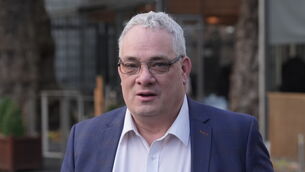
Prof Declan Lyons, one of the authors of the study, said the findings would have a major implication in how elderly patients are cared for in decades to come.
Prof Lyons said: "The findings raise the possibility that future generations of older people may face a substantially different burden of bone disease than previously expected, and how Ireland anticipates the healthcare needs of a rapidly ageing population.
He said osteoporosis and fractures of the hip may not be as big a part of future mix as had been thought.
"The study reminds us that while growing old is inevitable, ageing isn't and it can be managed," he added.
Sandra Broderick of HSE Mid-West said: "These are encouraging findings; not only because it points to healthier bones among people reaching older age, but because it challenges us to think differently what ageing will look like for future generations.
"For health services, it gives an understanding of how many people will need care. Research of this scale carried out over a period of more than two decades in the Mid-West gives us valuable evidence to inform that thinking."
The findings remained consistent when researchers standardised the results for age and accounted for changes in the number of scans being performed.
The researchers say a number of developments over recent decades could potentially be relevant to changing bone health.
These include greater awareness of osteoporosis, vitamin D supplements, and increased emphasis on fracture prevention.
Prof Lyons said: "However, the observational study was designed to establish the long-term trend rather than determine its cause."
CONNECT WITH US TODAY



Be the first to know the latest news and updates