Irish consumers influenced to buy less or no alcohol after seeing health warning labels, study finds
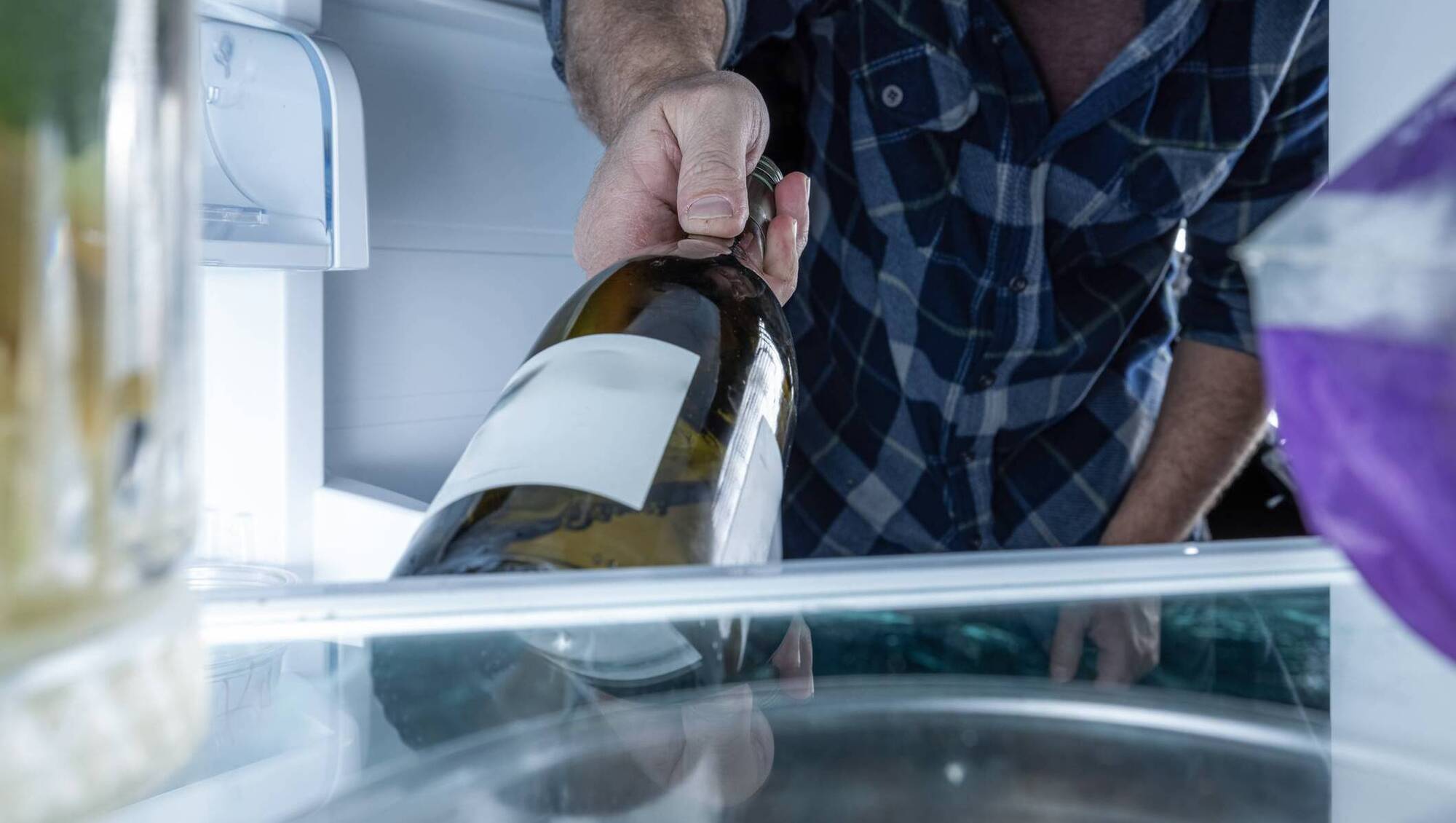
40% of consumers who saw the new labels said it made them think about alcohol’s impact on health.
A quarter of Irish consumers said they were influenced to buy less or no alcohol on a shopping trip after seeing new health warning labels on products highlighting the association between alcohol and cancer.
The results of a new study designed to assess the early exposure and perceptions of the new labels found about a third of all consumers reported noticing the new warnings on alcohol products, although their introduction is not mandatory until 2028.
The study, whose findings are published in the , carried out an online survey involving more than 700 participants on the perceived impact of the new health warnings.
The authors of the research said the positive early impact of labels was “encouraging”. The requirement for health labels to be placed on alcohol products was contained in the Public Health (Alcohol) Act, which was passed in 2018.
However, the relevant section was not formally signed into law until May 2023 and stipulated all products on shelves should contain the new warning labels on the link between alcohol and cancer by May 2026.
The deadline for its mandatory introduction was subsequently pushed back to September 2028, although the labels started to appear on some products last year.
Read More
The study noted the pioneering legislation, which makes Ireland the second country in the world after South Korea to introduce a cancer warning on alcohol labels, was met by intense opposition from the drinks industry.
The results show consumers from a higher socio-economic background, as well as people who get drunk more frequently, are more likely to notice the new warning labels.
The new warnings were most commonly seen on bottles of wine.
The study found 25% of consumers who noticed the health warnings said they influenced their decision to buy less or no alcohol on that shopping trip, while 22% said they were discouraged from purchasing the labelled product.
In addition, 40% of consumers who saw the new labels said it made them think about alcohol’s impact on health.
The survey showed 37% said the labels provided information that was new to them, with 79% stating everyone should be aware of such information.
Official figures show alcohol was responsible for 4.3% of all deaths in Ireland in 2019.
The study noted average consumption of alcohol among Irish adults at 9.4 litres of pure alcohol, in 2024, was above the OECD average of 8.5 litres.
It also observed Ireland has one of the highest rates of heavy episodic drinking within the OECD, with more than 40% of adults reporting monthly binge drinking.
One of the study’s main authors, Daša Kokole, a consultant at the World Health Organization, said its findings indicated Irish consumers were starting to notice the new alcohol labels with overall positive responses.
Dr Kokole said nearly 90% of consumers who had seen the new health warnings said they had some type of impact by either informing them about the risks of alcohol consumption, making them think about alcohol’s impact on health, encouraging discussions with others, or even changing their buying behaviour.
“Overall, perceptions of the warnings were predominantly positive, with the majority finding the labels informative and believing that everyone should be aware of the information they provide,” said Dr Kokole.
CONNECT WITH US TODAY



Be the first to know the latest news and updates