Competition and consumer watchdog believes cartels are operating within procurement system
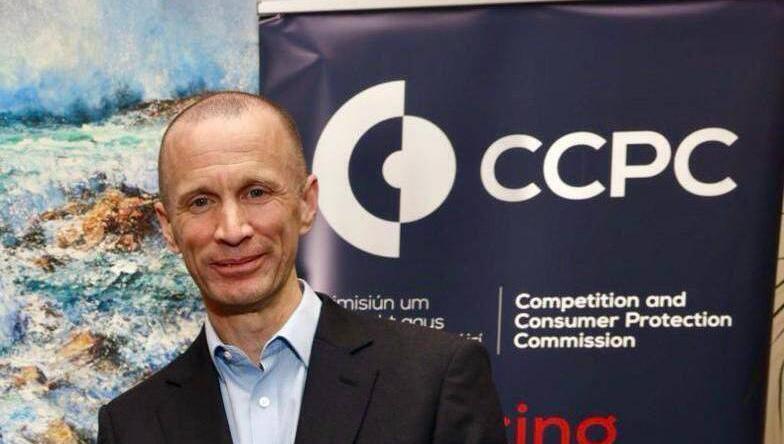
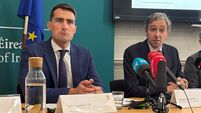
Brian McHugh, chairman of the CCPC, said the commission was looking for its powers to be strengthened in a range of areas, including the ability to levy sanctions for breaches of consumer law.
The competition and consumer watchdog believes there are “cartels” operating within Ireland’s procurement system, but that it needs more powers to investigate.
Speaking at a meeting of the Oireachtas committee on enterprise, tourism and employment, the Competition and Consumer Protection Commission (CCPC) also reaffirmed that it had seen no evidence of price gouging despite recent spikes in the cost of fuel and home heating oil.
The Government has repeatedly said that it wants to give the CCPC additional powers and that enterprise minister Peter Burke will do so.
Brian McHugh, chairman of the CCPC, said the commission was looking for its powers to be strengthened in a range of areas, including the ability to levy sanctions for breaches of consumer law.
“The second thing then that we asked for, and is really important, is the ability to screen public procurement,” Mr McHugh said.
“There’s €20bn per annum of public procurement spend in Ireland. We fully believe there are cartels within those procurements.
“There's a huge amount of them, so we're not going to point to a particular industry, but we fully believe there's cartels.
“We recently had a successful jury conviction in the Central Criminal Court, which is around school bus transport. It was public procurement, taxpayer money was at risk, and we're really happy with that outcome.”
Mr McHugh noted that the CCPC wanted access to public procurement data so that it could screen it.
He said that there would be further steps and that there would be “multiple pieces of evidence” required.
When pressed on what sectors cartels might be operating in by Fianna Fáil TD Albert Dolan, Mr McHugh said that they can exist in “almost any sector” but that there have been examples of construction cartels in other countries, including Austria.
Elsewhere, the CCPC also discussed a report published last week that found no evidence of fuel price gouging.
Fianna Fáil TD Tony McCormack noted that while some petrol stations “very quickly” put prices up, they were “not as quick to bring down the prices when international markets change”.
Mr McHugh said that the CCPC found during a similar crisis in 2022 that petrol stations did lose money on some days, and this was the case again in its last investigation.
James O’Connor, chairman of the committee, questioned why it took so long for consumers to see price changes in the international market reflected at the pumps.
Mr McHugh said that the increased prices were due to wholesale prices increasing.
Geoffrey Gray of the CCPC said its investigation found that the entire price rise in fuel and home heating oil was not ultimately passed on to consumers.
He noted that between the beginning of the year and mid-March, the price of kerosene had increased by 150%, the price of diesel had increased by 100%, and the price of petrol had increased by 70% on the wholesale markets.
The retail price of kerosene increased by 80%, while petrol and diesel increased by between 6% and 22%.
CONNECT WITH US TODAY



Be the first to know the latest news and updates