Bowel cancer screening to be extended to people aged 50 to 54, minister says
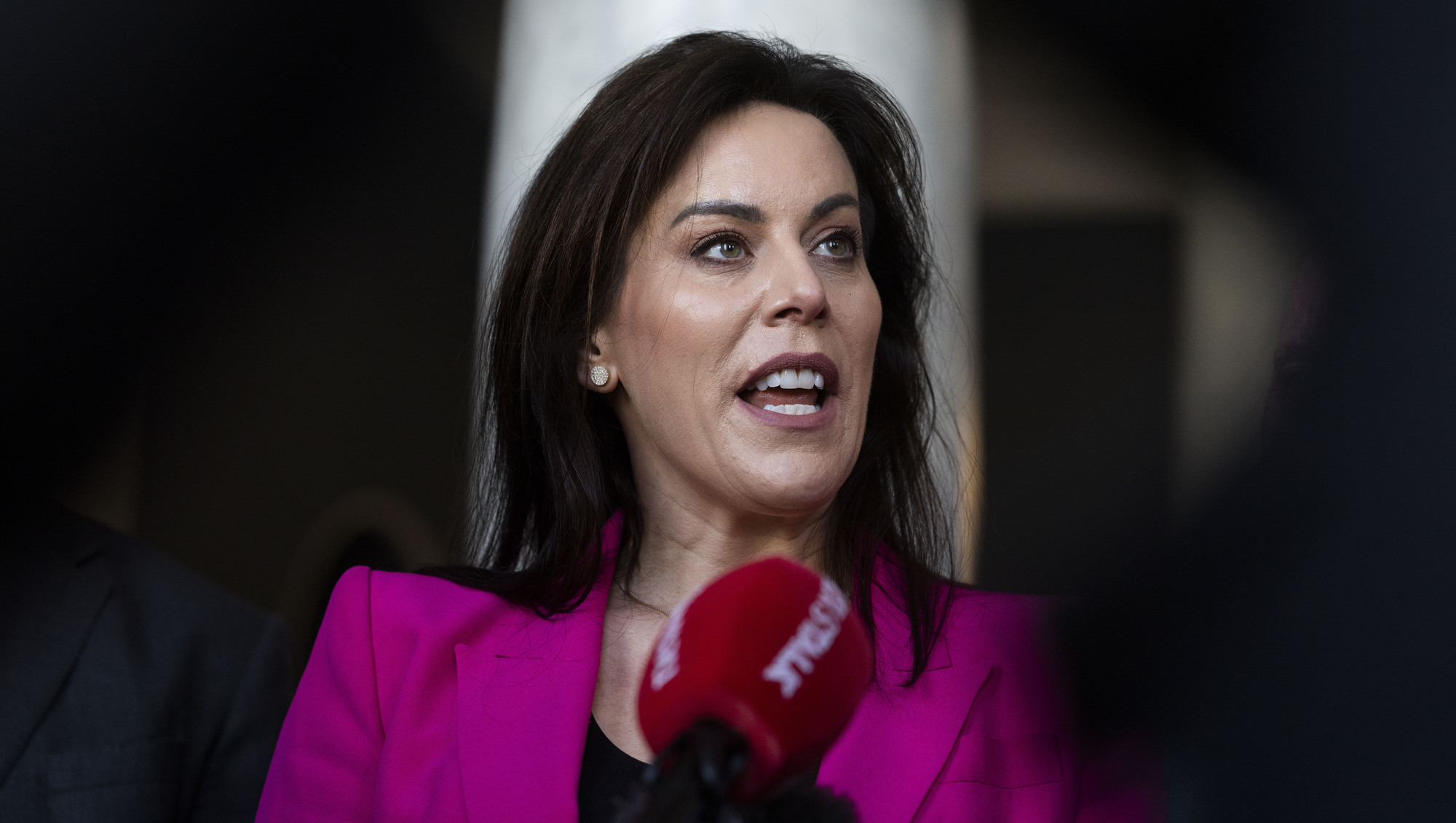
Minister for health Jennifer Carroll MacNeill said she had asked the HSE to implement an 'ambitious plan' on a phased basis. Photo: Sam Boal/Collins Photos
Screening for bowel cancer, the third leading cause for cancer death in Ireland, will be extended to people aged 50 to 54, the health minister has said.
It comes after the Health Information and Quality Authority (Hiqa) said it has found consistent evidence that screening from the age of 50 reduces death from colorectal cancer compared to no screening.
Read More
“Our assessment examined the available evidence and we have advised the National Screening Advisory Committee that there are clear clinical benefits to expanding the programme to those aged 50-54 years old,” Hiqa’s deputy CEO and director of health technology assessment, Dr Máirín Ryan, said.
“However, we also highlighted capacity issues that currently exist within the services required for bowel screening.”
On average, around 2,750 new bowel cancer cases are diagnosed in Ireland each year with around 1,000 bowel cancer-related deaths recorded. It is the second most common cancer in men and the third most in women.
This form of cancer can develop slowly with symptoms often subtle or absent at the earliest stages of development.
Risk factors can include age, male sex, family history of bowel cancer, sedentary lifestyle, obesity, a diet high in red and processed meats, smoking, and drinking alcohol.
Ireland’s screening programme launched in 2012, with the aim of offering screening to people aged 55 to 74 years on a two-yearly cycle.
As of April this year, the screening programme currently invites people aged 57 to 71 for screening, but still aims to cover the 55-74 age group. Screening can help identify bowel cancer at an early stage when treatment is most successful.
“Nine of the 10 studies we found showed that bowel cancer screening from the age of 50 upwards can reduce the number of people dying from bowel cancer,” Hiqa said of its assessment.
“Five studies also showed that it might be possible for screening to reduce the number of people who get bowel cancer. This is because screening helps to find and remove polyps, which can turn into cancer over time if they are not removed.”
However, Hiqa also pointed out that extending screening would put a strain on resources. Each year there would be up to 219,000 more people invited to participate, with over 2,000 extra colonoscopies needed to conduct further tests annually.
Depending on how it is rolled out, it could cost an extra €45m to €66m over the next 10 years.
In accepting the recommendation, minister for health Jennifer Carroll MacNeill said she had asked the HSE to implement an "ambitious plan" on a phased basis.
"The minister’s decision to expand BowelScreen is an important step for people across Ireland and reflects strong evidence that starting bowel screening earlier can save lives," Fiona Murphy, chief executive of the HSE’s National Screening Service said.