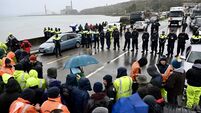
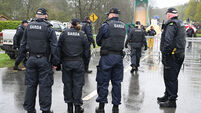
Health threats advisory group hears of 'unacceptable' patient risks from fuel protests
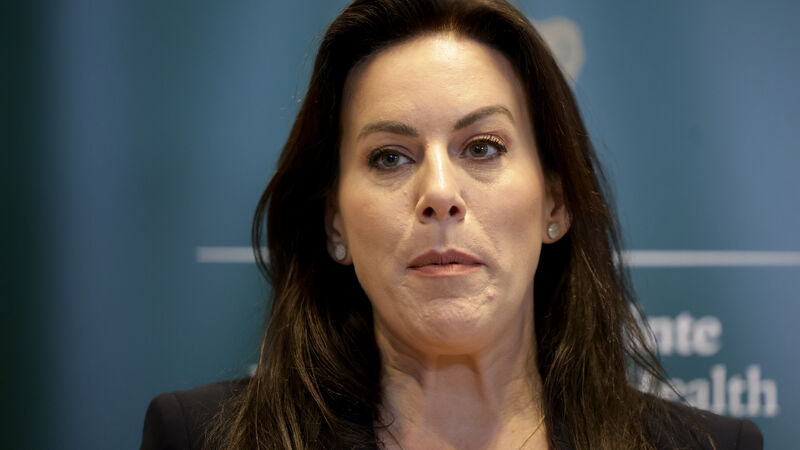
Health minister Jennifer Carroll MacNeill called the meeting to discuss the 'current disruption to healthcare and risks to patient safety caused by the ongoing fuel blockades'. File Picture: Leah Farrell/RollingNews
A late-night crisis meeting on Friday saw the health minister, head of the HSE, chief medical officer and other senior health officials discuss “unacceptable” patient safety risks from the fuel protests.
It heard counties in the south-west, west and mid-west regions are the worst affected.
The newly-stood up health threats advisory committee focused on the “serious risks” now being seen for ambulances, homecare, respite care for children, meals on wheels deliveries and care in mental health services.
Jennifer Carroll MacNeill called the meeting to discuss the “current disruption to healthcare and risks to patient safety caused by the ongoing fuel blockades”.
Briefings from the CMO Professor Mary Horgan and HSE chief executive Anne O’ Connor focused on the wide range of brewing concerns.
A spokeswoman for the minister said concerns were raised about “the regional variation in the impact of the cut-off of fuel supplies with the West, Mid-West and South West the most significantly impacted at present.”
The group will meet again on Saturday and Sunday to monitor the situation.
The ministers of state on the call were Mary Butler for mental health, Kieran O'Donnell for older people and Jennifer Murnane O'Connor for Public Health, Wellbeing and the National Drugs Strategy.
The department of health secretary general Robert Watt was also present.
“The serious risks to patient safety caused by the blockade of fuel supplies are completely unacceptable and the four ministers called on the protesters to reflect on their actions and cease the restriction of access to critical fuel infrastructure immediately,” the spokeswoman said.
The health threats advisory group was created last year following advice around how Ireland should be better prepared for the possibility of future pandemics or other large-scale crisis.
It provides public health advice to the department of health, government, and other key stakeholders on reactions to any public health emergency.
Members include department officials, HSE, HSE and external academic experts as well as the CMO.
- Niamh Griffin, Health Correspondent


CONNECT WITH US TODAY



Be the first to know the latest news and updates