Fire brigades and ambulances curtail operations as fuel shortages worsen across Ireland
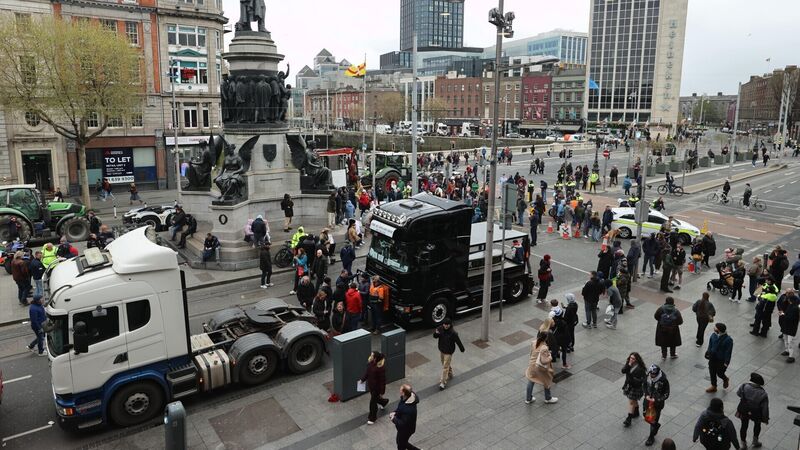
Protesters on O'Connell Street in Dublin, on the fourth day of a National Fuel Protest against rising fuel prices. Picture: Liam McBurney/PA Wire
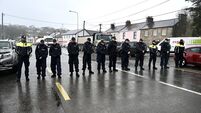
Fire brigades will curtail their responses to non-life-threatening call-outs, while continuing to respond to 999 calls and urgent calls, and the National Ambulance Service will restrict transfers, as one third of the country’s petrol stations run dry.
As the National Emergency Coordination Group (NECG) met on Friday to discuss the ongoing disruption caused by fuel protests and blockades at oil refineries and fuel depots, the public was urged not to panic-buy fuel or food.
The group is made up of senior officials in Government departments and State agencies who coordinate the response to emergencies.
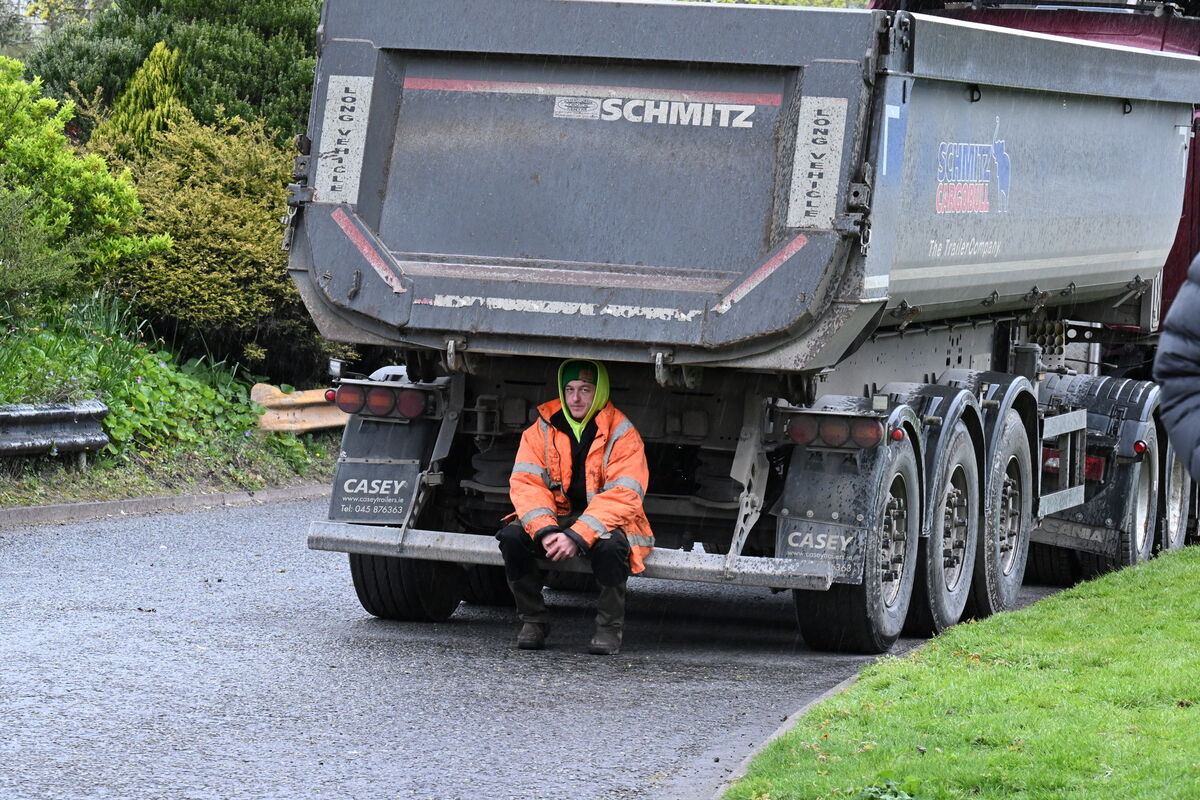
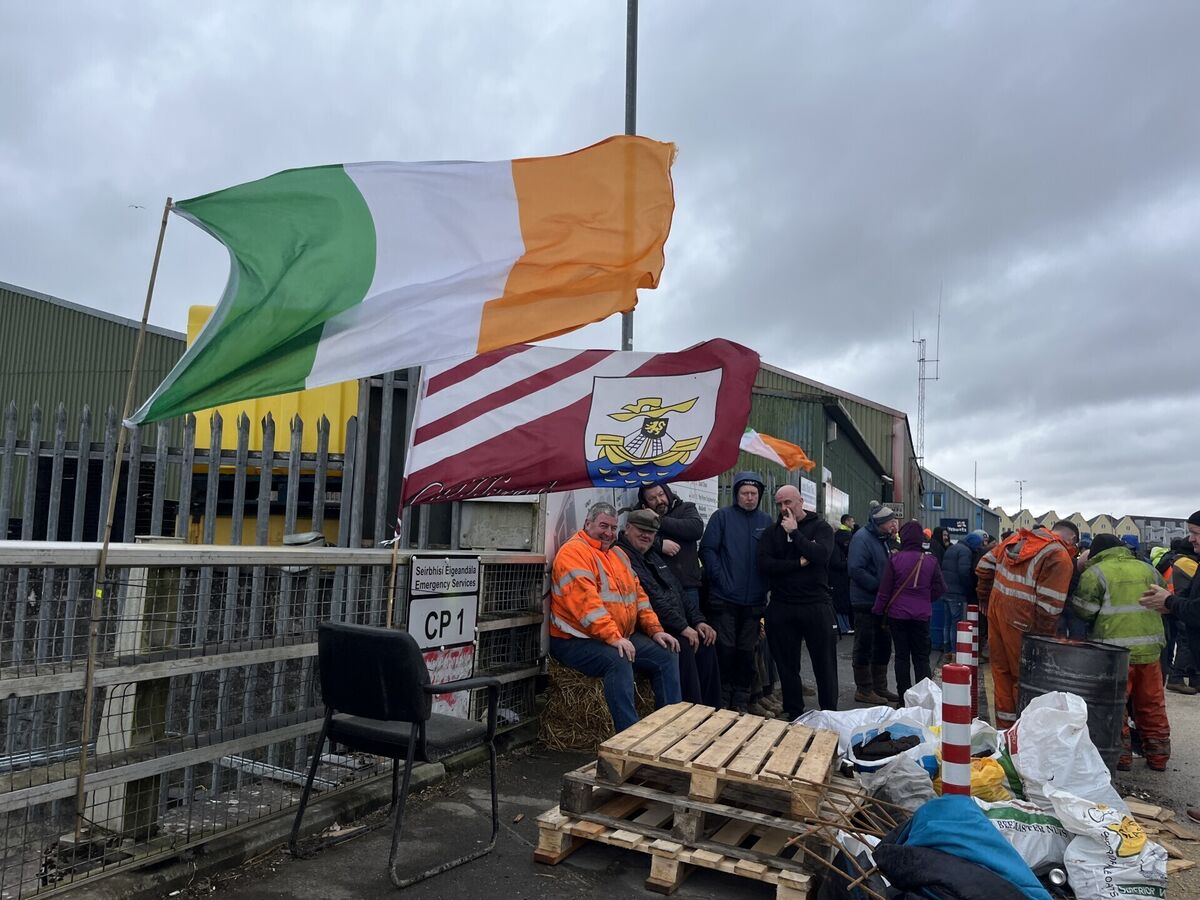
The meeting heard that three national fuel depots at Whitegate Oil Refinery, Shannon Foynes Port, and the Port of Galway remain restricted due to the blockades.
Read More
More than 100 fuel stations are currently out of supply, with the number potentially rising to 500 over the course of Friday.
There are 1,500 fuel stations nationwide, meaning that up to one third could run out of petrol and diesel by the weekend.
“The NECG also heard that there is growing concern from international shipping companies about the ability to offload stock at some Irish ports, and are monitoring the ongoing impact of these delays on their operations,” a readout of the meeting said.
The NECG was also updated by the emergency services, which said they have had to curtail services due to fuel shortages, as they also rely on retail forecourts.
“Fire services across Ireland have had to put in place contingencies to manage the restricted availability of fuel,” the NECG said.
“Fire services will cease non-essential activities (for example, training activities), and responses to non-life-threatening callouts will be restricted in order to preserve fuel.”
The National Ambulance Service has also put contingencies in place due to the fuel shortages.
It will continue to respond to 999 calls and life-threatening and clinically urgent calls, but inter-hospital transfers and ambulance transport services for routine care and discharges are being curtailed.
A subgroup of the NECG has been established to coordinate contingency measures to address the fuel supply issues facing emergency services.
Health and social care service provision has also been affected, including the provision of home care and critical care such as dialysis and cancer treatment. People are also continuing to miss their appointments.
“It critical that clear and safe access to healthcare settings is available for all working across our healthcare services, including those who work in our hospitals and those treating and supporting people in their homes or in community settings, for example, home care workers and those delivering the Meals on Wheels services,” the NECG said.
“Attending hospital or receiving treatment in the community, whether in an emergency situation or for a routine appointment, is a vulnerable time for a patient and their family.
“The critical need for clear and safe access to all healthcare services must be respected to ensure that access to care is never compromised.
“The HSE is advising people who missed appointments due to the disruption to contact the relevant service that they had their appointment for, and they will be facilitated with getting another appointment quickly.”

The agri-food sector is experiencing difficulties getting produce out of the country for export. This was described as a “significant problem for a sector which exports almost 90% of its production”.
“The Department of Agriculture has also been informed that restricted diesel supply could begin to affect milk collection from farmers soon,” they said.
Bus Éireann advised the meeting that its school transport service will resume on Monday following the Easter break, but parents have been warned that if blockades continue to disrupt fuel distribution and traffic, there are “likely to be delays and potential service disruption experienced to some services”.
Transport Minister Darragh O’Brien told the meeting that he is considering a request for a temporary derogation of regulations on driving hours and rest times for road hauliers transporting fuel, in anticipation of increased demand if the blockades are lifted.


CONNECT WITH US TODAY



Be the first to know the latest news and updates