Ambulance staff back industrial action over pay and workloads
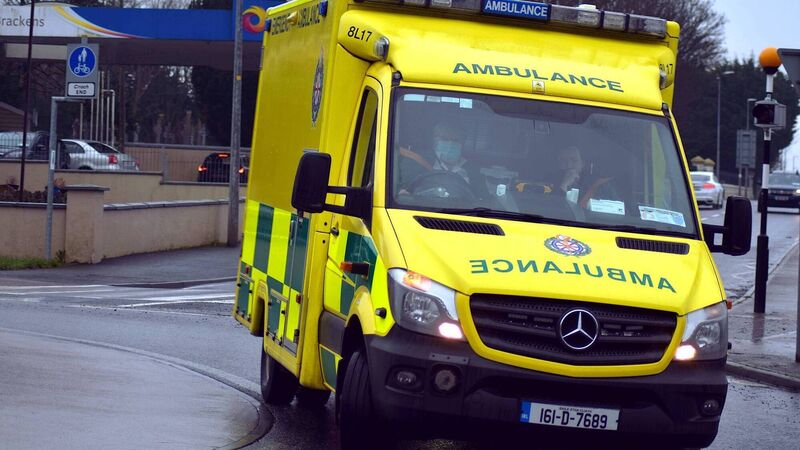
The dispute involves Siptu members working as emergency medical technicians (EMT), paramedics, advanced and specialist paramedics, and supervisors. Stock image
Around 2,000 Siptu members in the National Ambulance Service have voted overwhelmingly in favour of industrial action, up to and including strike action, amid a dispute over pay and workload pressures.
The union has accused the HSE of failing to act on the recommendations of an independent report calling for salary scales to be updated to reflect significant changes in workloads over the past 20 years.
The dispute involves Siptu members working as emergency medical technicians (EMT), paramedics, advanced and specialist paramedics, and supervisors.
Siptu’s John McCamley said ambulance personnel have implemented significant changes within the service, shifting it away from a model focused primarily on patient transport to one providing a higher level of pre‑hospital care and treatment.
“The overwhelming mandate from our members for industrial action, up to and including strike action, is an indication of the depth of feeling within the service that their sacrifice and commitment over the last 20 years to the professionalisation and modernisation of the service have been forgotten about by the HSE,” Mr McCamley said.
Since 2011, EMT and paramedic grades have respectively increased their responsibility for administering various medications by 89% and 83%.
Over the years, operational practice guidelines have increased dramatically, including the need for additional training and qualifications.
The report, published in May 2020, was to address these ongoing changes, including updating salary scales.
To date, its recommendations have yet to be implemented.
“Siptu members working in the National Ambulance Service are highly trained and educated health professionals,” said Mr McCamley.
“They work in a largely autonomous and occasionally hazardous environment. Our members have to exercise clinical judgement, deliver complex and lifesaving care, including the administration of medications.
"They perform lifesaving interventions and make complex decisions about specific care pathways.”
Mr McCamley said members are calling for the HSE to implement the recommendations made in the independent report “without preconditions and to introduce enhanced pay scales”.
The has contacted the HSE for comment.


CONNECT WITH US TODAY



Be the first to know the latest news and updates