Conspiracy theories leading to worrying rise in autism misinformation
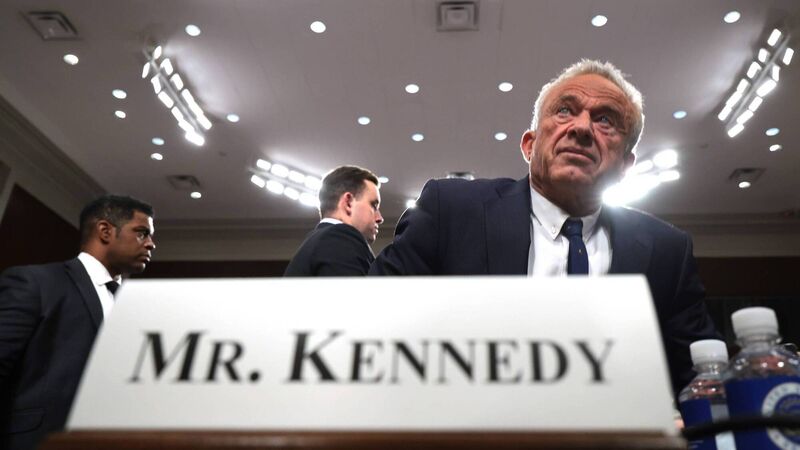
In the US, health secretary Robert F Kennedy Jr has prompted unproven claims regarding autism. Picture: Win McNamee/Getty Images)
Conspiracy theories about vaccines and influencers promoting unproven ‘cures’ on social media have led to a “deeply concerning” rise in misinformation about autism, a leading charity has warned.
It comes as new research from AsIAm finds that many autistic people and families believe misinformation about autism has increased in the past year.
Almost 70% of those surveyed said they believe misinformation has increased, reflecting the growing concern as unproven claims about autism continue to circulate online and internationally.
Examples of this included linking autism to vaccines or paracetamol, suggestions about an “overdiagnosis” of autism without evidence, or high-profile celebrities claiming that being autistic excused or justified their alleged misconduct.
Many also fear that misinformation would be used to justify removing support for autistic people, and that the Government is not doing enough to counter the rise in misinformation.
Recent years have seen conspiracy theories about autism appearing in mainstream and in political discourse, both here and internationally.
In the US, health secretary Robert F Kennedy Jr has prompted unproven claims regarding autism.
Donald Trump has also advised pregnant women — without evidence — not to take paracetamol, claiming it increases the risk of children developing autism.
Last September, Independent TD Danny Healy-Rae was strongly criticised for comments he made suggesting a possible link between autism and vitamins.
The rise in misinformation about autism is deeply concerning, said Adam Harris, AsIAm chief executive.
“Unfounded hunches and baseless commentary that isn’t supported by data is extremely harmful as it fuels stigma, undermines trust in research and distracts from the real issues facing autistic people, such as access to services, education and supports.”
Every day, autistic people face barriers which others do not see, Mr Harris added.
“Too often these experiences are lost in discussions about autism and exclude autistic people “This is particularly true in areas of public policy – at a time in which many children remain without a school place for September 2026 and many more await timely access to assessment – we increasingly see the specific needs of autistic people overlooked, minimised or placed in a ‘one-size-fits all’ approach to public policy.”
Launching the 2026 AsIAm ‘Same Chance’ report, detailing the experiences of more than 1,600 autistic people and families across Ireland, the charity found:
- 93% of those taking part reported additional financial costs associated with being autistic or raising an autistic child;
- 73% say waiting lists are the biggest barrier to accessing disability supports;
- 72% say they do not have the supports needed to live independently.
The report also highlights continued barriers faced by autistic students when accessing an inclusive primary and secondary education, in line with the UN Convention on the Rights of Persons with Disabilities (UNCRPD).
More than half (52%) of the parents taking part in the 2026 survey said their child’s school place was not meeting their child's needs.
Almost 30% of the parents taking part said their child has experienced a reduced timetable since December 2024; 14% had experienced seclusion; 5% have experienced physical restraint; 5% experienced suspension, and 1% experienced expulsions.
One autistic contributor to the report said: "People often think they understand Autism, but many still don’t understand how the world feels for us. What we need is acceptance, understanding and support.”
April marks World Autism Month.
CONNECT WITH US TODAY



Be the first to know the latest news and updates