Garda awarded €15k compensation over 'significant failures' in handling of his suspension
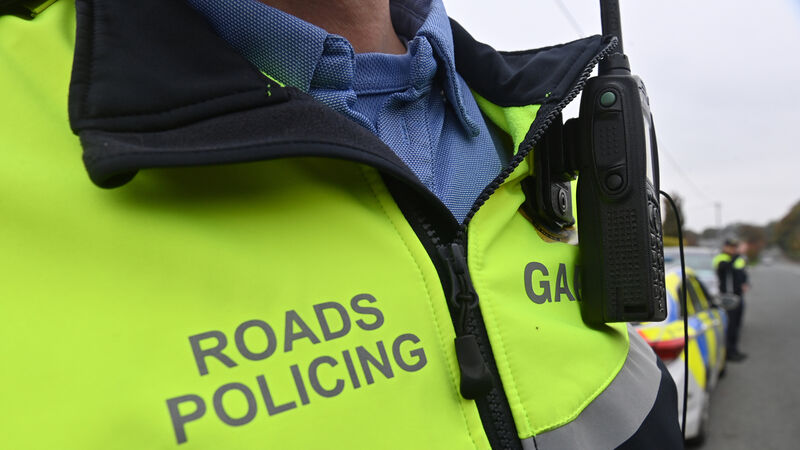
A garda suspended for more than three years following his involvement in a road traffic collision has been awarded compensation of €15,000 for “significant failures” in how the situation was handled by his employer.
The garda was originally suspended in September 2019 and was not permitted to return to duty until December 2022, despite the DPP indicating in July 2020 that no charges were being pursued.
He filed a complaint to the Workplace Relations Commission claiming there had been a “complete absence of procedural fairness” in how the matter had been handled.
He claimed his suspension had been imposed and maintained without evidence, without disciplinary investigation, and without any right of appeal or opportunity to make submissions.
WRC adjudication officer, Ewa Sobanska, noted that the stated reason for the garda’s suspension from duty in September 2019 was the commencement of an investigation by the ombudsman into four alleged offences relating to the collision.
The suspension was renewed the following month, with the addition of a fifth alleged offence. It continued to be renewed, citing the same reasons, every three months in what the complainant described as a “copy-and-paste” exercise.
Ms Sobanska said there had been no mechanism for the worker to challenge or appeal the decision to suspend him. He understood the reasons, but disagreed with them.
“The employer was not entitled to dispense with fair procedures in determining a lengthy suspension,” she said.
Representatives for An Garda Síochána claimed that the suspended member had been offered the option to relocate as an alternative to suspension, but he refused. This was disputed by the complainant.
Around July 2020, the DPP said none of the matters relating to the garda’s suspension could be pursued. However, this was not communicated to the complainant, and his suspension continued.
He was summonsed on one separate charge, but this was also dismissed on June 30, 2022.
His suspension continued until December 2022 for reasons that had ceased to be investigated in July 2020, Ms Sobanska noted.
It appeared that his employer was awaiting a decision from the ombudsman, and the ombudsman was awaiting legal advice.
She said the relevant directive obliged the employer to conduct an investigation as a matter of priority, and also provided that no disciplinary process should be commenced in circumstances where an employee has been acquitted of an offence.
The employer’s position that it was justified in continuing the suspension even after the garda’s acquittal therefore appeared “difficult to justify”.
The eventual decision to lift the suspension was taken without any determination regarding disciplinary proceedings, and appeared linked to the involvement of a legal representative on behalf of the worker, Ms Sobanska said.
She said the employer’s compliance with its own policy had fallen short of best standards, noting that “fundamental fairness” requires that an employee be informed promptly that a review has been conducted and advised of the outcome.
The complainant had been paid during suspension, but had missed out on allowances for non-social hours, which would have accounted for approximately 20% of his annual salary.
Ms Sobanska recommended the payment of €15,000 in compensation for the “significant failures” in the way the suspension had been handled.


CONNECT WITH US TODAY



Be the first to know the latest news and updates