AI can pick up heart disease signs in breast cancer screenings
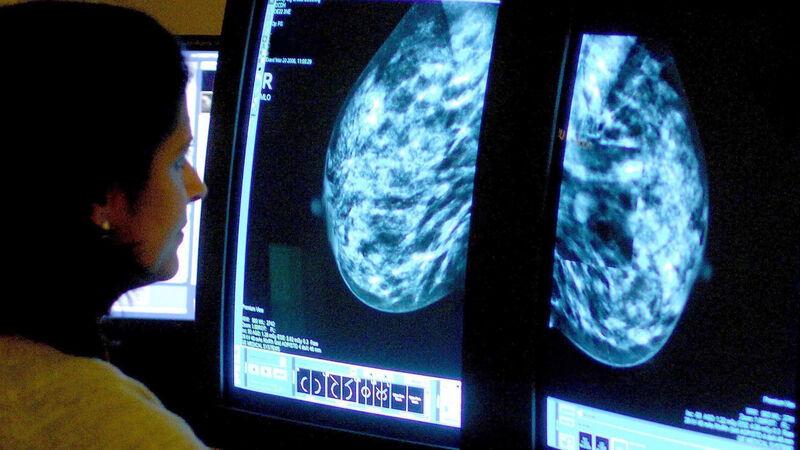
Signs of heart disease can be picked up in breast cancer screenings through the use of artificial intelligence (AI), researchers have found.
Experts used AI to look for calcification in breast arteries, a substance that increases the risk of heart attack, stroke and early death.
Adding AI to breast cancer screenings in this way could help find thousands of women with undiagnosed heart disease, according to the largest study of its kind.
Dr Hari Trivedi, from Emory University in Atlanta in the US, who led the team for the study, said: "Heart disease is the leading cause of death in women worldwide, yet women are consistently underdiagnosed and undertreated compared to men.
"Mammograms, which women already attend for breast cancer screening, can also reveal calcium deposits in breast arteries and this is linked to heart disease.
"We wanted to test whether AI could use this to identify women at risk of cardiovascular disease at no extra cost or inconvenience."
The study, published in the European Heart Journal (EHJ), included 123,762 women who had taken part in breast screening but had no known heart disease.
AI was used to look for calcium deposits in the arteries of breast tissue, which is known to harden arteries and can increase the risk of heart attack and stroke.
Researchers noted whether the calcification was severe, moderate, mild or absent and compared this with data on whether women went on to suffer serious heart disease, including stroke, heart attack or early death.
Women with mild calcification were around 30% more likely to suffer serious heart disease compared to those without, the study found.
Meanwhile, in those with moderate calcification, the risk was more than 70% higher, and in women with severe calcification the risk was two to three times higher.
Dr Trivedi said: "We found that the more calcium visible in the breast arteries on a mammogram, the higher a woman's risk of a serious heart event such as a heart attack, stroke or heart failure.
"This was true even in younger women under 50 - a group often considered low risk - and held up after accounting for other risk factors like diabetes and smoking.
"For women, this means a mammogram you're already having could also provide important information about your heart health - prompting a conversation with your doctor about preventive steps such as cholesterol testing or medication.
"For clinicians, it offers a practical way to identify women at cardiovascular risk who are currently being missed.
"Policymakers could consider integrating this into existing mammography programmes, potentially reaching tens of millions of women annually without any additional infrastructure."
CONNECT WITH US TODAY



Be the first to know the latest news and updates