When are the clocks going forward?
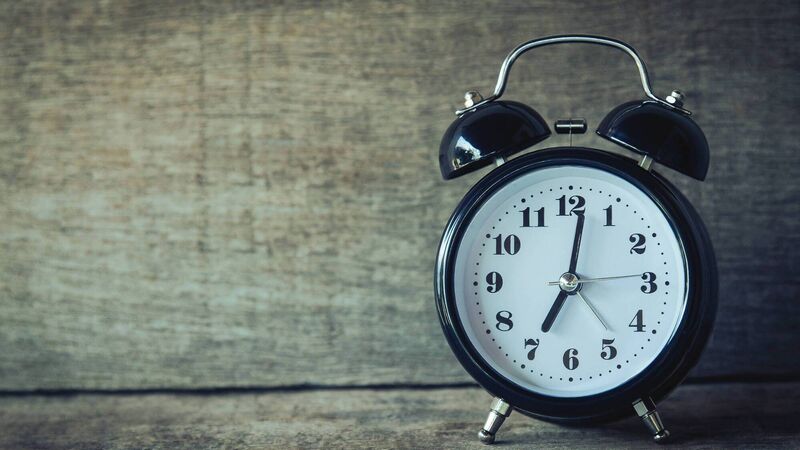
non-smart devices such as ovens, cookers, car clocks and clocks with hands will need to be updated manually. Stock image
Ireland is finally starting to see a fine stretch in the evenings, after a long winter of dull evenings and cold nights.
And later this month, the clocks will go forward. Even though it means an hour less in bed for everyone on the night, it is a sign of brighter days to come.
If you're unsure as to what season the clocks change, just remember the mnemonic 'spring forward, fall back' — the clocks go forward in spring and go back an hour in autumn, or 'fall' as is used in American English.
Read More
Here's everything you need to know:
The clocks will go forward on Sunday, March 29 by one hour.
This means that at 1am the time will change to 2am.
Every year, the clocks change on the last weekend in March and October. This is called daylight saving time.
In the winter, when it's naturally darker, the clock goes back an hour, which means an extra hour in bed. In the summer, the clocks going forward an hour makes for longer evenings.
The impact of the change varies: countries farther from the equator, which experience more hours of darkness, benefit most from the system.
In most cases, devices like smartphones or tablets will update automatically.
However, non-smart devices such as ovens, cookers, car clocks and clocks with hands will need to be updated manually.
The clocks will go back by one hour at 2am on the last Sunday in October — October 25, 2026.


Check out the Irish Examiner's WEATHER CENTRE for regularly updated short and long range forecasts wherever you are.
CONNECT WITH US TODAY



Be the first to know the latest news and updates