Expanded range of supports for survivors of residential institutional abuse
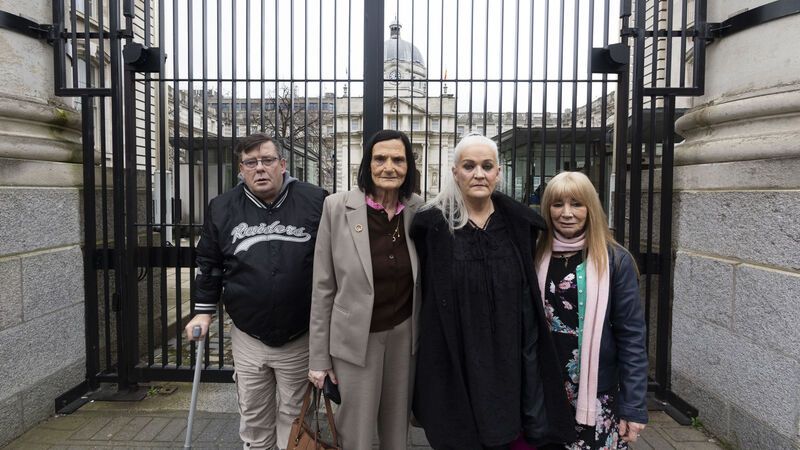
Survivors of Industrial and Reformatory schools Maurice Patton O'Connell, Mary Dunleavy Greene, Mary Donovan, and Marian Moriarty Owen, ahead of a meeting with the Taoiseach. Picture: Sam Boal/Collins Photos
Survivors of residential institutional abuse are being asked to apply for a newly expanded range of education and health supports, the minister for education has said.
The initiative is now available under the Supports for Survivors of Residential Institutional Abuse Act 2025.
The measures have been rolled out following last year’s discussions between survivor representatives, the Taoiseach, and members of Government which led to a formal apology issued in the Dáil last month.
Minister for education and youth Hildegarde Naughton made the announcement on Friday.
The expanded supports include:
- A lifelong medical card for eligible survivors;
- Better access to counselling and physiotherapy;
- A once‑off €3,000 health support payment for those living abroad;
- An expanded education support scheme covering both formal study and informal learning or personal development.
Ms Naughton said the Government remains “deeply aware” of the trauma suffered by survivors.
In a statement she said: “While we can never undo the harm endured, it is vital that we take strong action to address its long‑term impact,” and urged survivors to come forward to access the new measures.
Under the Act, the lifelong medical card will allow survivors to access a range of HSE services without means‑testing or review.
Dedicated liaison officers will also be appointed within the HSE to help survivors navigate available supports.
Survivors based outside Ireland can apply for the €3,000 health support payment.
The education supports have also been widened, with €600 available annually for informal learning and between €500 and €2,000 for formal education.
Local authorities have been asked by the minister for housing to prioritise social housing applications from survivors on compassionate grounds.
Each council has now appointed a housing liaison officer to support those seeking accommodation.
The Department of Social Protection has instructed Community Welfare Services to take survivors’ circumstances into account when assessing funeral costs, and the minister for justice will provide confirmation for survivors who wish to verify that they do not have criminal convictions arising from their time in institutions.
Full details on the supports and application process are available at www.gov.ie/en/department-of-education/publications/supports-for-survivors-of-residential-institutional-abuse/


CONNECT WITH US TODAY



Be the first to know the latest news and updates