Ireland among most religious countries in Europe, new study finds
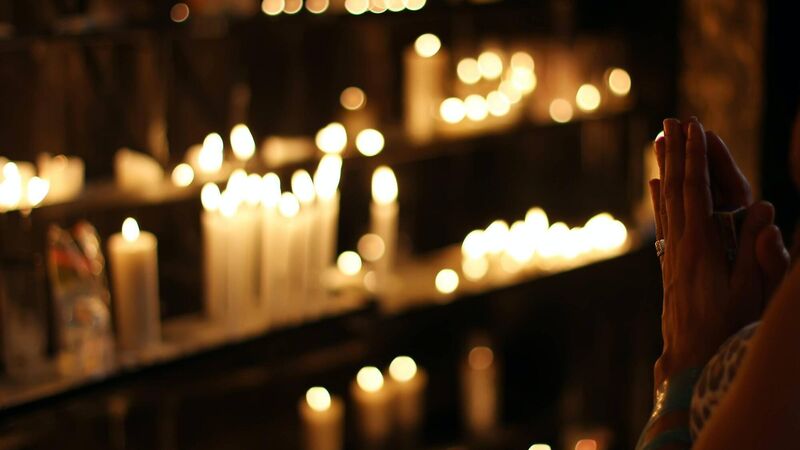
Irish young adults also pray more frequently than their counterparts in Spain (11%), Italy (11%), Germany (10%) and Austria (5%). Picture: Pexels
Ireland remains one of the most religious countries in Europe, with 51% of adults praying at least once a week, a new study has found.
The study, , commissioned by the Irish Catholic Bishops’ Conference, analysed data from the European Social Survey (ESS) and other sources to assess recent religious trends.
Some 35% of Irish adults and 25% of young adults aged 16-29 attend religious services at least monthly.
Among Catholics, Ireland attends Mass more regularly than most European neighbours. One third (34%) of Catholic adults in Ireland pray daily, second only to Portuguese Catholics (37%) among western European countries.
Read More
In almost all countries, young adults pray significantly less frequently than older adults. However, Ireland’s rate of 17% places it joint fourth, alongside Belgium, behind Portugal (28%), Poland (23%) and Croatia (20%).
Irish young adults also pray more frequently than their counterparts in Spain (11%), Italy (11%), Germany (10%) and Austria (5%).
While key measures of religiosity in Ireland have declined significantly since the ESS began in 2002/03, the most recent round in 2023/24 shows a strong uptick in religious affiliation and practice.
The increase is most evident among those aged 16-29 across both Catholic and Protestant communities.
In the Republic of Ireland, 18- to 24-year-olds are proportionally more likely to identify as religious or “not sure” than 25- to 34-year-olds, but less likely to identify as spiritual or “neither”.
However, 42% of young adults aged 16-29 and 32% of all adults aged 16 and over said they do not belong to a particular religion.
Northern Ireland is the most religious region of the United Kingdom and the most religious part of the island of Ireland, the study found.
Ireland also diverges from global patterns. Although women in the Republic are equally likely to identify as religious, they continue to play an influential role in transmitting faith, even as they express higher levels of moral dissent and institutional dissatisfaction.
Immigration has significantly increased the Catholic population. In ESS 2002/03, 6% of those identifying as Catholic in Ireland were born outside the country.
By ESS 2023/24, that figure had grown to 18%. However, foreign-born Catholics are no more or less likely to practise than Irish-born Catholics.
The Irish Catholic Bishops’ Conference is meeting in Maynooth this week for its Spring General Meeting.
CONNECT WITH US TODAY



Be the first to know the latest news and updates