War on Iran widens as Israel launches strikes on Beirut after Hezbollah fires missiles across border
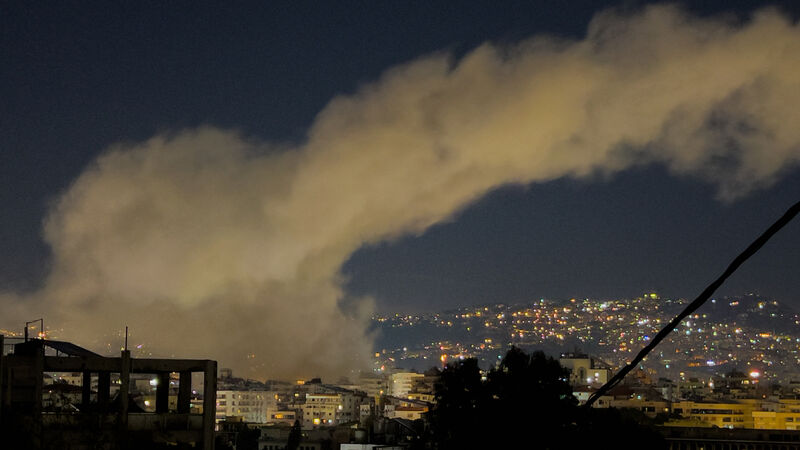
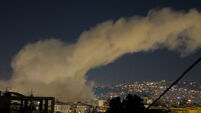
Smoke rise from Israeli airstrikes on Dahiyeh in the southern suburb of Beirut, early Monday, March 2, 2026. File picture: Hussein Malla.
Israel launched strikes on Lebanon’s capital Beirut after the militant group Hezbollah fired missiles across the border early on Monday.
Lebanon’s Health Ministry said at least 31 people were killed in the strikes, which follow the US and Israel pounding targets across Iran on Sunday as part of an intensifying military campaign, which followed the killing of Supreme Leader Ayatollah Ali Khamenei.
Fresh airstrikes were reported overnight across Iran, while explosions were heard in Dubai on Monday and Bahrain’s Interior Ministry urged people to “head to the nearest safe place” as sirens sounded across the country.
The overnight strikes were the first time in more than a year that Hezbollah claimed a strike against Israel, saying in a statement that the strikes were carried out in retaliation for the killing of Mr Khamenei and for “repeated Israeli aggressions”.
The Israeli military said it intercepted a projectile that crossed the border and that several others fell in open areas. No injuries or damage were reported.
Lebanese government officials had urged Hezbollah not to enter the fray in support of Iran, fearing another war, and President Joseph Aoun said the rocket launches “target all the efforts and endeavours exerted by the Lebanese state to keep Lebanon away from the dangerous military confrontations taking place in the region”.
The Israeli military urged people in nearly 50 villages in Lebanon to evacuate ahead of possible retaliatory strikes.
Iraqi Shiite militia group Saraya Awliya al-Dam claimed a drone attack on Monday targeting US troops at the airport in Iraq’s capital, Baghdad.
Iran’s retaliatory strikes went beyond US and Israeli targets, pushing the conflict into cities that have long marketed themselves as regional safe havens.
The foreign ministers of Qatar, Saudi Arabia, the United Arab Emirates, Kuwait, Oman and Bahrain said on Sunday that their countries retain “the legal right to respond and the right to self-defence” after Iranian strikes hit hotels, airports and other sites in multiple cities throughout the Gulf.
Meanwhile, several American warplanes crashed in Kuwait on Monday morning, the country’s defence ministry said.
All the pilots bailed out safely and are being checked up on at a hospital, according to the ministry. They are all in a stable condition.
It is not immediately clear what caused the US warplanes to crash but the incident came during an intense period of Iranian fire targeting the country.
The defence ministry said it is continuing investigations into the “causes of the incident”.
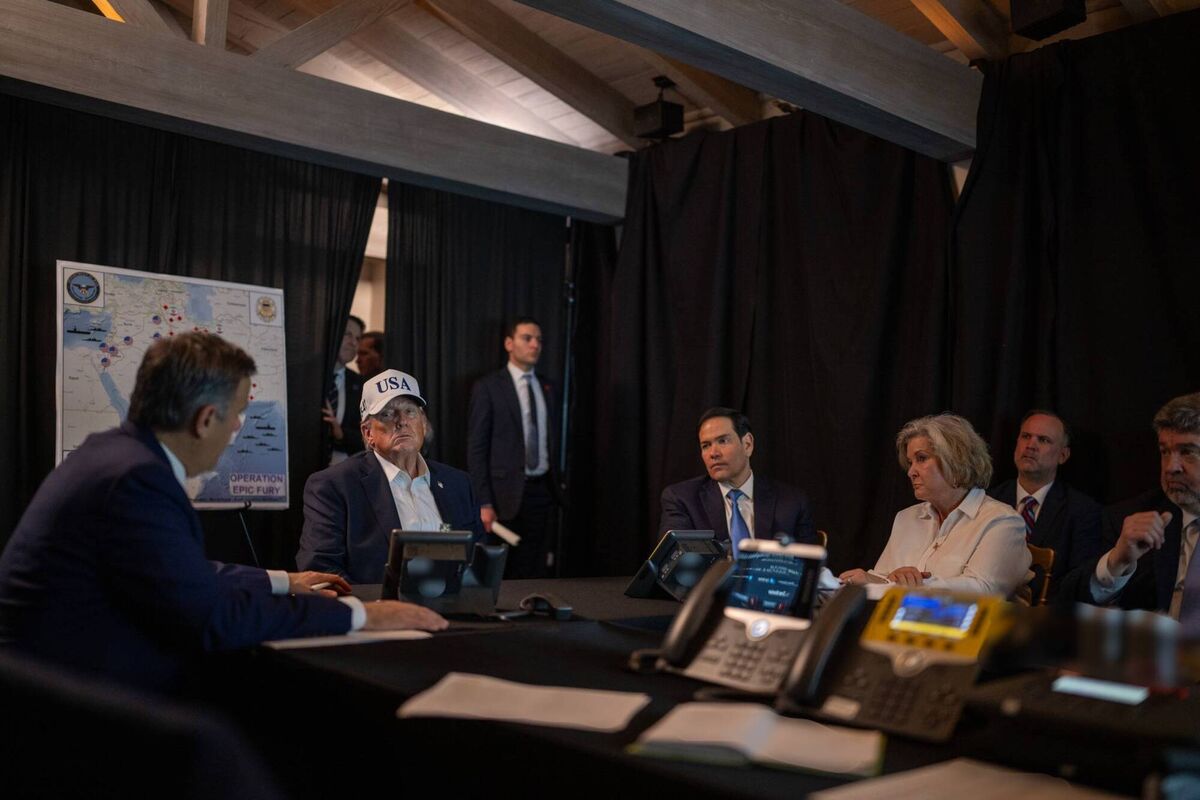
In the aftermath of a weekend of bloodshed across the Middle East triggered by deadly air strikes on Iran, Donald Trump last night said he has agreed to hold talks with the country's new leadership.
“They want to talk, and I have agreed to talk...They should have done it sooner. They should have given what was very practical and easy to do sooner. They waited too long,” he told The Atlantic Magazine.
However, senior White House sources later admitted that while the US President will “eventually” be willing to talk, for now the military operation “continues unabated".
Throughout Sunday deadly air strikes continued to rain down on Iran which in turn launched hundreds of missiles and drones on countries including Israel, Qatar, United Arab Emirates, Bahrain, Jordan and Iraq.
Earlier Mr Trump had claimed 48 leaders in Iran had been wiped out in the initial US and Israeli air strikes on Saturday morning and that the operation was "moving along rapidly". Among those killed was the country’s supreme leader, Ayatollah Ali Khamenei.
Read More
As word spread of Khamenei's death, some people in Tehran could be seen cheering from rooftops, witnesses said. Others mourned, as a black flag was raised over the Imam Reza shrine in Mashhad.
After confirming the death of its supreme leader, Iran's parliamentary speaker, Mohammad Bagher Qalibaf, said in a televised address: "You have crossed our red line and must pay the price.
"We will deliver such devastating blows that you yourselves will be driven to beg."
Trump said on Sunday that the US would hit Iran “with a force that has never been seen before” if Tehran carried out threats to retaliate after the death of Ali Khamenei.
“Khamenei, one of the most evil people in history, is dead,” Trump wrote in a social media post. “He was unable to avoid our intelligence and highly sophisticated tracking systems and, working closely with Israel, there was not a thing he, or the other leaders that have been killed along with him, could do.”
Russian President Vladimir Putin denounced Khamenei's death as a cynical murder and China's Foreign Minister Wang Yi described it as "blatant killing".
Reports later suggested that Mahmoud Ahmadinejad had also been killed. He was the firebrand former Iranian president, who gained international notoriety by calling for Israel’s erasure and denying the Holocaust.
The most costly strike in terms of victims, however, was on a girls’ school in southern Iran on Saturday. By yesterday the death toll from that one strike had risen to more than 150, according to Iranian state media. A further 95 were injured.
The US and Israel have also suffered casualties. America's military's Central Command said in a statement on Sunday that three service members had been killed and another five seriously wounded. However, it declined to offer specifics on what had happened to the victims.
There were nine people killed in the city of Beit Shemesh in one of the many revenge strikes on Israel.
On Sunday, the vital Strait of Hormuz closed and the Gulf cities of Dubai, Abu Dhabi and Doha were under bombardment by Iran.
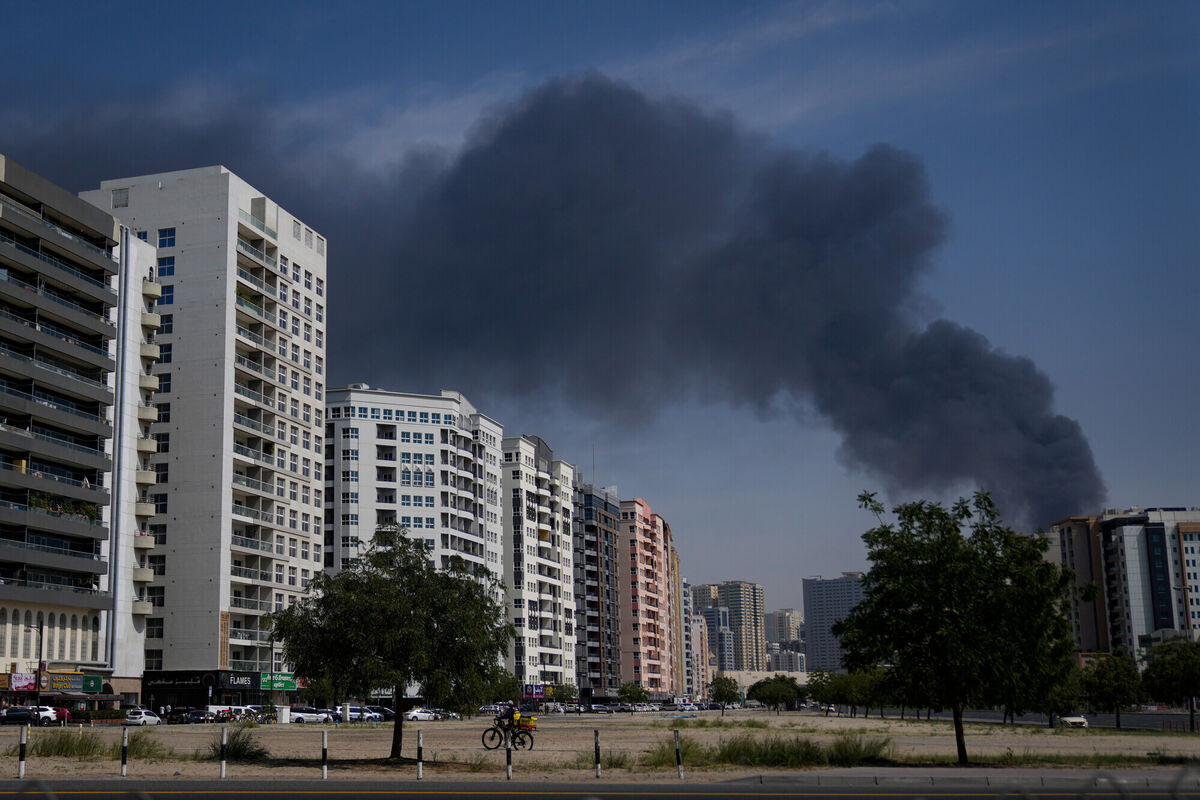
Across the United Arab Emirates, 165 ballistic missiles were detected with authorities destroying 152, and intercepted two cruise missiles, its defence ministry said.
A total of “541 Iranian drones were detected, 506 of which were intercepted and destroyed”, the ministry added in a statement.
Dubai’s Burj Al Arab hotel and its airport, which handles more than 1,000 flights a day, were also damaged. The airport, the world’s busiest international travel hub, remained shut, along with other major Middle East airports, causing one of global aviation’s most severe disruptions in years.
Iran's President Masoud Pezeshkian said in a pre-recorded message aired on state television that a leadership council had begun its work, and foreign minister Abbas Araghchi said a new supreme leader would be chosen in "one or two days".

CONNECT WITH US TODAY



Be the first to know the latest news and updates