Government to introduce new pay equality laws for employers
Government to introduce new pay equality laws for employers

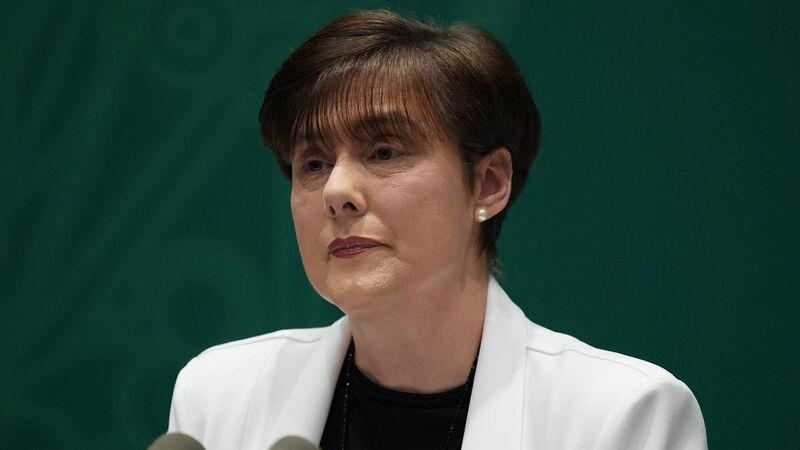
Equality minister Norma Foley said the new laws would be an “important step forward in tackling pay inequality between men and women”. File picture: Niall Carson/PA

The Government is to introduce new laws that will require employers to evaluate whether they are paying men and women working similar jobs comparable wages.

Plans are underway for the introduction of a Pay Transparency Bill, which will force an employer with more than 50 employees to carry out a “gender neutral job evaluation” for every position in their company.

This evaluation will assess all aspects of a given role, including the skills and effort required, the level of responsibility, and working conditions.

This then provides each position with a score, with positions of equal value expected to be paid at a similar rate.

If it emerges during an evaluation that a male worker is being paid 5% or more above a female worker, for a job of the same value, the employer must work on a “joint pay assessment” to close the gap.

If this does not happen, the employee affected will be able to take a case at the Workplace Relations Commission. They will also be entitled to full compensation, which includes back pay and payment of legal costs.

The laws are being introduced as Ireland is required to transpose the EU Pay Transparency Directive, with the deadline for its introduction in June 2026.

While the laws must be passed by June, there will be a lead-in time to allow employers carry out their evaluations. Once an evaluation is completed, there won’t be a requirement for a further evaluation unless a new role is created.

It is likely the evaluations will become mandatory in 2027, a Government source indicated, with further supports for businesses likely to be provided.

Equality minister Norma Foley said the new laws would be an “important step forward in tackling pay inequality between men and women”.

It will increase the information available to workers about the rates of pay in their organisations for particular roles, and whether they are being discriminated against.

“In 2026, women must be valued for the work that they do. If we speak about equality, it has to have equal pay for equal work as its absolute base.

“If there are to be limitless opportunities for women, there has to be respect which includes equal pay and equal recognition for the work they do.”

She said consultation has already taken place between employers representatives and unions about the transposition of the EU directive.

Seperately, legislation is expected to be progressed that will require all employers, regardless of size, to provide information about salary levels in job advertisements.

This will also prevent businesses from asking applicants about their pay history.

  • Tadhg McNally is a Political Reporter.

More in this section

Lunchtime News

Newsletter

Keep up with stories of the day with our lunchtime news wrap and important breaking news alerts.

Cookie Policy Privacy Policy Brand Safety FAQ Help Contact Us Terms and Conditions

© Examiner Echo Group Limited