Ireland's immigration law 'could become one of Europe's most severe'
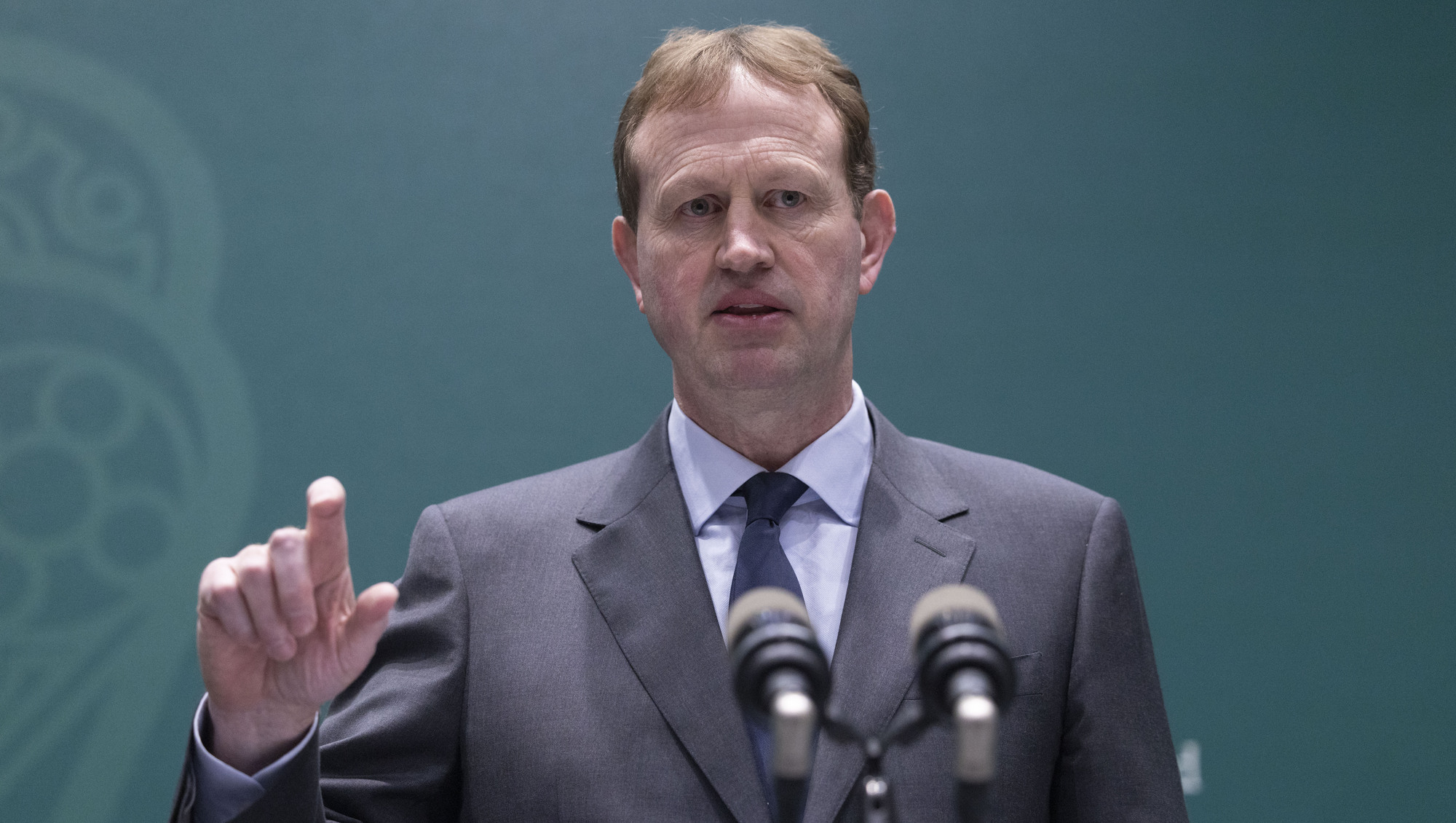
Justice and migration minister Jim O’Callaghan. Two proposed pieces of legislation currently in front of the Oireachtas are causing concern among activists and lawyers. Picture: Sam Boal/Collins
Ireland could become one of the most severe regimes in Europe for those fleeing war and persecution under proposed changes to immigration law, activists and lawyers have warned.
Immigration lawyer Cathal Malone said changes proposed under the Civil Reform Bill would make it so hard to appeal a decision not to grant asylum that it would hugely reduce people's access to justice.
And if someone cannot challenge a decision through the courts then "rights become a dead letter", he said.
Under the proposed changes, judicial reviews in immigration law would be moved from the High Court to the Circuit Court for the first time in the history of the State.
Immigration judicial reviews are extremely complex, involving EU law, constitutional law, administrative law and international human rights law, Mr Malone said.
And if the wrong decision is made, the person taking the case can be sent to their torture.
“It is literally a case of life and death,” Mr Malone said.
"Rights are completely useless unless you can enforce them. The changes to judicial review are draconian.”
The proposed legal changes would mean that if the minister makes a bad decision on someone’s right to be in Ireland, that decision could not be effectively challenged, he said. “It’s an access to justice issue.”
The Government also plans to significantly tighten family reunification rules. Anyone granted refugee status would have to wait for three years before they could bring family — including children and partners — to Ireland, under proposed changes.
Although these planned changes are “horrendous”, Mr Malone believes they will have much less impact than limiting people’s access to judicial reviews of immigration decisions.
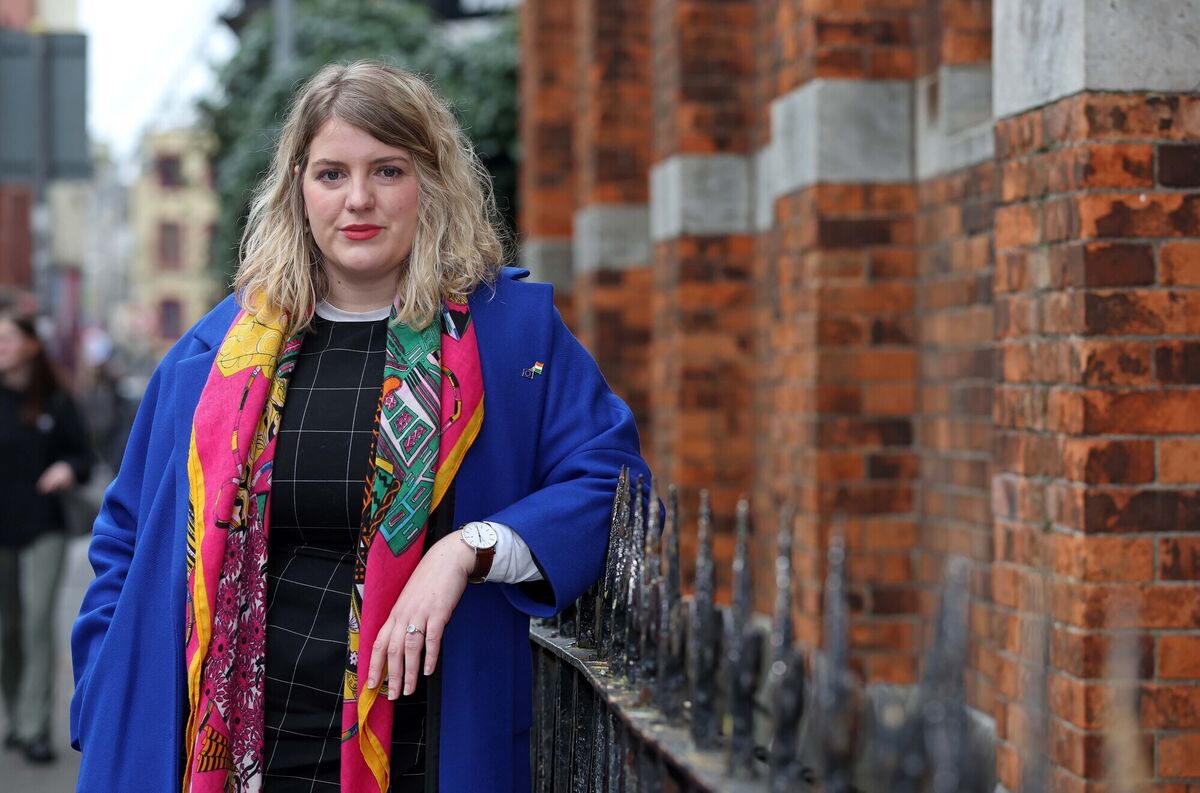
In November, justice minister Jim O’Callaghan announced changes to family reunification, which would require strict financial thresholds before family members could be brought here.
And because an asylum seeker cannot work for the first six months in the system, and then often struggles to find well-paid work, with qualifications and experience earned in other jurisdictions often not immediately acknowledged here, it would take some years until someone granted refugee status could likely afford to bring family members to Ireland anyway, he said.
“If you're a fellow who fled the Taliban in Afghanistan and your wife and your daughter are still there, the idea that they'd be left there in danger for another number of years is really just horrendous. Will they still be alive when you can apply?”
Fiona Hurley of NASC migrant and refugee rights centre said restricting people’s access to family reunification is “deeply regressive” and “needlessly cruel".
Refugees are fleeing risk of serious harm in their home country, she said. Their families are also likely to be at similar risk. So delaying reunification intensifies that risk, she said.
It is likely that families — parents from children, husbands from wives - will be separated for at least four years under such changes.
Ireland appears to be “going much further than other countries” in tightening rules around family reunification, Ms Hurley said.
Although other EU member states have been examining family reunification rules, imposing wait-times for those who can apply for family reunification have tended to be limited to those granted subsidiary protection but not to those granted full refugee status, she said.
“The reported proposal to impose a blanket three-year waiting period on family reunification for people who have already been granted refugee status raises serious concerns and represents a significant departure from Ireland’s values and established approach to international protection,” NASC said.
In 2025, 13,160 people applied for asylum in Ireland but only a fraction of these applications would be granted.
The International Protection Bill which will transpose the new EU Pact on Migration and Asylum into Irish legislation, was published on Thursday.
The justice minister previously said the new legislation is an effort to strike a balance between the rights of asylum seekers and the overall well-being of the country.
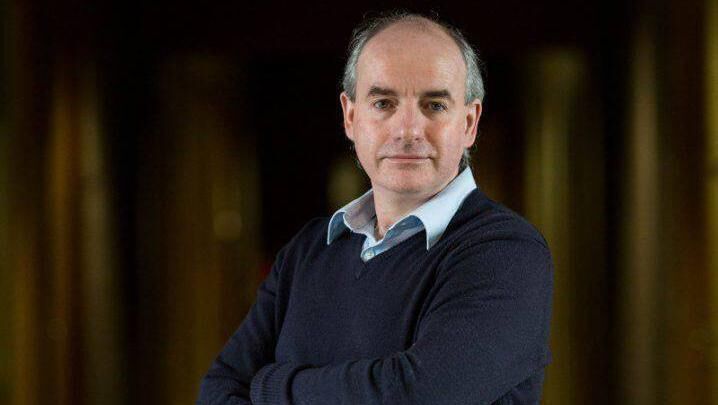
But serious concerns about the proposed bill were raised by the Coalition on the EU Migration Pact, a group of civil society organisations, after a preliminary review of the bill was published on Thursday.
John Lannon, CEO at Doras, said: “It is very troubling that the minister is not only introducing the concept of detention at our borders — currently non-existent in the international protection system — but extending this to children.
"Under no circumstances should children be detained; it violates their most basic human rights. Detention is never in the best interest of a child.
"This legislation will be a stain on Ireland’s international reputation, and it undermines the very core of what being Irish means.
"People seeking asylum have the right to do so, and to be treated with dignity. They should not be criminalised.”
Ms Hurley of Nasc said that the removal of provisions on family reunification from the International Protection Bill were deeply worrying.
"Family reunification is a core protection and integration measure, recognised internationally as one of the safest and most effective pathways for refugees to rebuild their lives and achieve stability," she said.
Given the strong constitutional and human rights protections for the right to family life, any changes to family reunification policy must be clearly set out in legislation and subject to full scrutiny by the Oireachtas, she said.
Read More
CONNECT WITH US TODAY



Be the first to know the latest news and updates