HSE's free contraception scheme 'should be expanded'
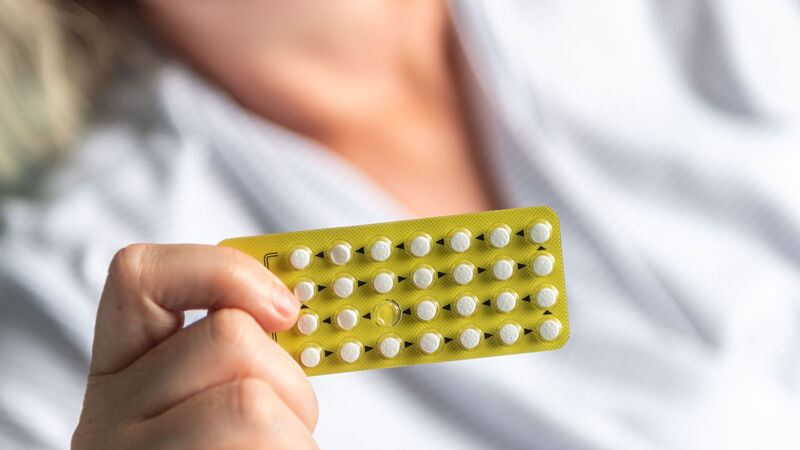
The largest portion of the free contraceptive scheme was spent on tablets, including the contraceptive pill and emergency morning-after pill. Picture: Andy Gibson
Just over €31m was spent providing free contraceptive products by the HSE, and there are now calls to expand the scheme further.
It launched in 2022 for women aged 17 to 25 and this was expanded to include women aged up to 35.
HSE data shows costs, excluding general appointments, came to €31,396,464 last year. This included costs for contraceptive items of €16,472,479.
Most of this was spent on tablets at €10,495,329. This includes the contraceptive pill and emergency morning-after pill.
The next biggest spend was on IUD packs at €2,141,374 for 15,807 items dispensed. This includes small plastic devices put into the womb, often referred to as coils.
Some €1,527,234 was spent on 10,899 implants, plastic rods placed under the skin, usually in the arm, which offer protection for three years.
Contraceptive patches were also commonly ordered with €1,138,127 spent on 47,279 items. These are applied weekly and release the same hormones as the pill.
Some 9,423 vaginal rings were ordered, costing €214,888. These are removed after 21 days for a seven-day break before starting again.

The HSE figures also show GP costs of €14,634,455 specifically linked to long-acting contraceptives.
Pharmacists received €289,530 for registering new patients.
The budget allocation last year was around €47m. This covered all appointments at GPs and at family planning, student health, and primary care centres.
Ciara McCarthy is clinical lead in women’s health with the Irish College of General Practitioners (ICGP) and a GP in Cork City.
“The up-front cost of purchasing and fitting longer acting methods in particular would have been a significant barrier for some women, and it is very positive that women can now make a shared, informed decision about contraception with their GP without considering whether or not they can afford it,” Dr McCarthy said. However, she said:
"Outside the 17 to 35 year bracket, there are still women who are unable to afford effective contraception.”
She said patterns in contraceptive use are changing: “National data has shown a decline in use of the combined oral contraceptive pill over the last 10 to 15 years.”
Dr McCarthy said this has been in parallel with “a modest rise in use of the progesterone only pill and long-acting reversible contraceptive methods”.
UK data shows a similar pattern, she added. One factor is that combined hormonal contraception is not suitable for everyone and they now have other choices.
“More women may also be opting for longer acting methods due to their superior efficacy,” she said, adding that the pill is still “effective and accessible” when “taken consistently and correctly”.
She advised women to discuss contraception with their GPs, saying: “Sometimes a woman will not be aware of all the different methods out there.”
- Niamh Griffin, Health Correspondent