Call for Ireland to transform into EU's first 'electrostate'
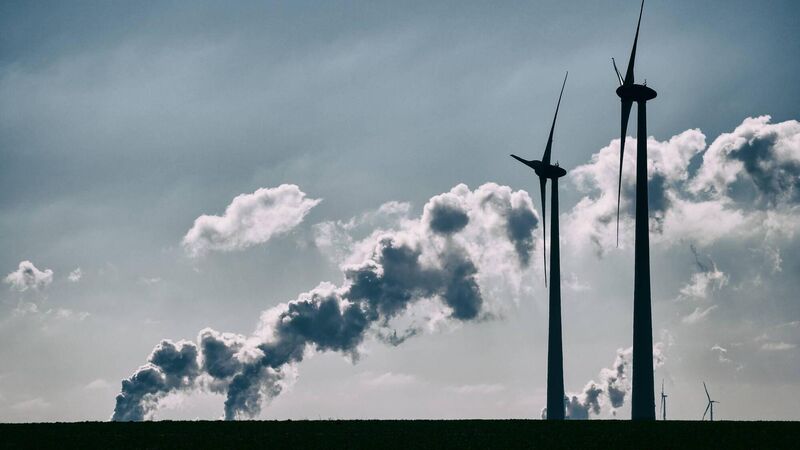
'An electrostate means energy independence, cleaner air in our towns and cities, homes that are warmer, cheaper to run, and ready for the future, stronger communities, and infrastructure that is built to last, not short-term fixes.' File picture
Ireland should transform itself into one of Europe’s first “electrostates” by 2030 and power the country with secure, affordable, and home-grown electricity, a conference will hear on Wednesday.
Wind Energy Ireland's annual conference in Dublin will hear its advocates argue that the country has world-class wind resources that should be deployed at scale to boost our path to energy independence and drive sustainable economic growth.
“An electrostate means energy independence, cleaner air in our towns and cities, homes that are warmer, cheaper to run, and ready for the future, stronger communities, and infrastructure that is built to last, not short-term fixes,” said chief executive Noel Cunniffe.
Senior policymakers, electricity system leaders, developers, investors, and innovators will attend the conference, as it explores measures to accelerate the deployment of wind energy across the country.
The group said its discussions would focus on grid delivery, planning reform, onshore and offshore wind development, electrification, and the policies needed to support its goal of a secure, competitive, and wind-powered economy.
The conference will also hear from energy minister Darragh O’Brien and EirGrid chief executive Cathal Marley.
It comes as various bodies have suggested Ireland will fall short of environmental targets of cutting emissions by 2030.
Last month, the Sustainable Energy Authority of Ireland said the country had yet to “break the link” between fossil fuels and economic development, and needs a "significant shift away from private car use” to meet 2030 climate commitments.
Separately, the Government is pressing ahead with its plans to boost data centre growth at a time when such infrastructure already accounts for an ever-growing proportion of Ireland’s electricity demand.
A new policy dictates 80% of energy from new data centres should come from renewable sources. This move has been criticised by environmental groups such as Friends of the Earth, which said such sources still needed 24/7 backup, “which again means more polluting gas power plants”.
As part of a strategy to be unveiled at its conference, Wind Energy Ireland said delivering wind power at scale on and offshore, and accelerating the transition to a resilient, electrified economy would be key in making Ireland energy independent and help it meet its emissions cut targets.
Using this wind generated effectively will be important to support this transition, in order to “grow Ireland’s economy, create new industries, minimise wasted generation, and provide value to consumers”.
Public trust and support will also be essential, and the benefits must be clearly articulated, it said.
“By building windfarms faster, strengthening our electricity grid, adding more storage, and electrifying our economy, Ireland can secure clean, affordable power while creating new opportunities right across the economy,” said Mr Cunniffe.
“Bringing policymakers, industry, and system leaders together in one place is critical. If we get this right, Ireland can deliver cleaner, more affordable electricity, strengthen our competitiveness, and secure the foundations for our future.
"The decisions we take now will shape Ireland’s energy system for decades to come."
CONNECT WITH US TODAY



Be the first to know the latest news and updates