Government urged to invest so 64,000 people with dementia can live independently
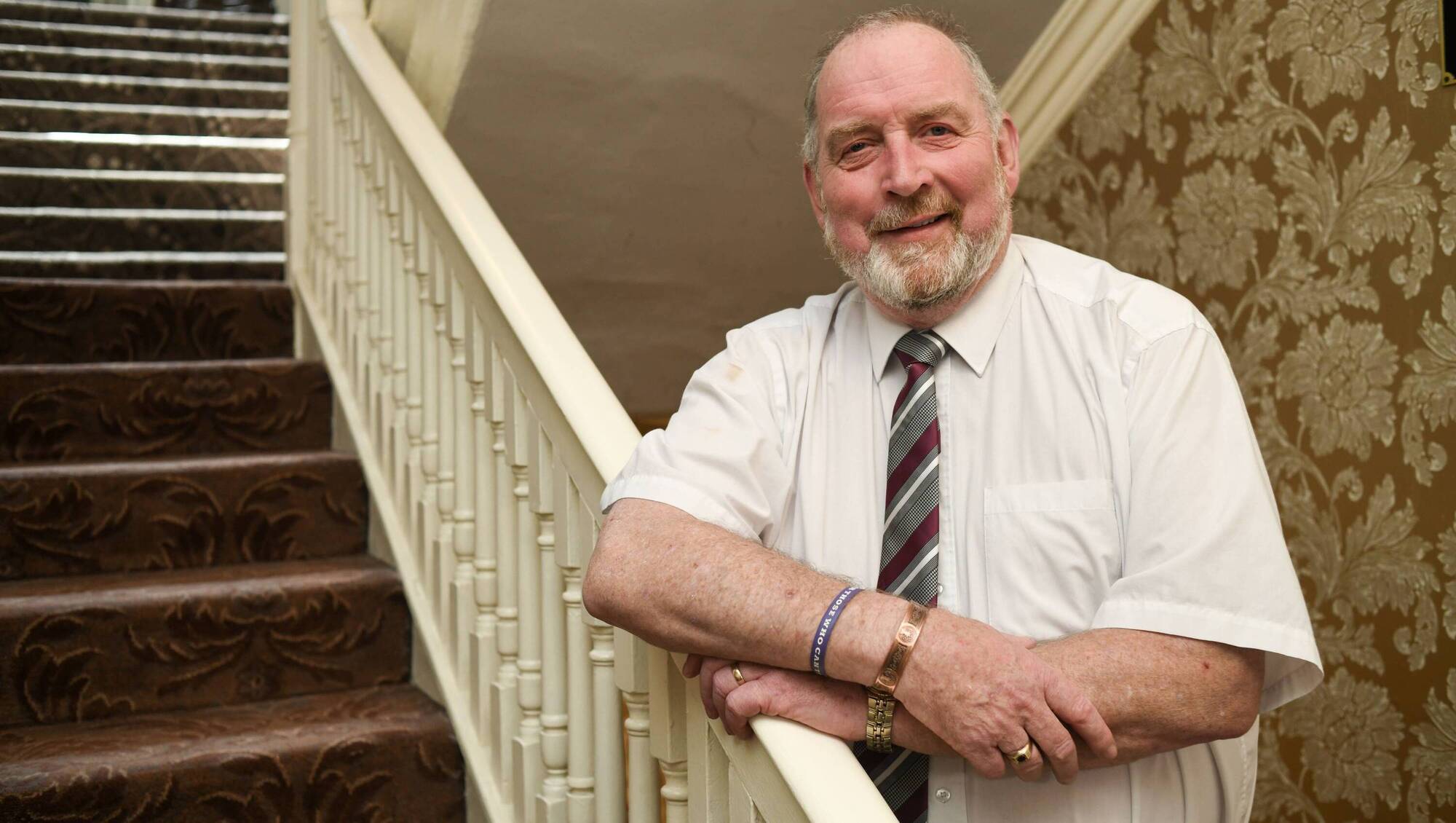
Kevin Quaid: 'I asked the European Commission for some kind of sanctions to be put on Ireland because of people who could be living independently but there is no place for them. It’s crazy.'
The Government must find investment so 64,000 people with dementia in Ireland can live more independent lives.
That is the call from Kevin Quaid, who was diagnosed with the disease over eight years ago.
Last year saw significant discoveries around dementia treatment, but as Ireland prepares to host the Alzheimer Europe conference in October, Mr Quaid wants supports to ramp up.
“There have been policy changes, but we need more help for independent living,” the resident of Kanturk, Co Cork, said.
Mr Quaid, who has lewy body dementia, is chair of the Irish dementia working group and the European working group with Alzheimer Europe.
“I asked the European Commission for some kind of sanctions to be put on Ireland because of people who could be living independently but there is no place for them. It’s crazy,” he said.
“There’s an awful lot more investment needed, and a lot more voices too.”
He still meets people struggling to get help despite “unbelievable” changes in the last decade.
He has seen people reluctant to admit their spouse is struggling or just not knowing who to contact.
“If I was to give any bit of encouragement to people who are diagnosed or their families about having dementia of any type it would be don’t be afraid of the diagnosis,” said Mr Quaid, who is originally from Limerick.
“Get active about it and don’t be afraid.”
He advised people to talk openly with friends, family and doctors about dementia.
“There used to be seven dementia advisers in the country, there’s over 30 now. The amount of new day-care centres is massive,” he said.
“For me the single biggest change is the voice of the lived experience is heard.”
Mr Quaid also called for campaigns to share the risk factors more widely.
“I’m an ambassador for Hidden Hearing,” he said. “The change in my life since I got hearing aids is just incredible. There seems to be a lot more focus on it now.”
He added: “People need to look at the full picture, people are not afraid to ask doctors questions now and that is a paradigm shift.”
In 2024, the Lancet Commission found nearly half of cases could be prevented or delayed by changing 14 risk factors.
These are lower levels of education, hearing loss, high LDL cholesterol, depression, traumatic brain injury, inactivity, diabetes, smoking, hypertension, obesity and too much alcohol.
Later life risks are social isolation, air pollution and sight loss.
The HSE has acknowledged investment is needed to make new treatments authorised for Europe available.
It is in the early stages of assessing Leqembi and Donanemab for State funding.
Leqembi is “a landmark step forward” the Alzheimer Society of Ireland has said.
A spokeswoman explained how this antibody works.
“People with Alzheimer’s have a sticky toxic build-up of amyloid, a protein, in their brain.
“By working with the immune system to target and break down amyloid, Leqembi has been shown to slow the progression of the disease,” she said.
However, she cautioned it was only suitable for some people in the early stages of the disease.
Likewise, Alzheimer Europe welcomed Donanemab, also an early stage disease treatment.
It highlighted the EU’s advice to identify people likely to benefit and exclude people “at greatest risk of harmful side-effects”.
Fears have been raised about both treatments due to potential for an increased risk of small bleeds in the brain known as ARIA in some patients.
There is now more of an awareness around younger people and dementia.
An estimated 4,000 under-65s have the disease in Ireland.
The Alzheimer Society of Ireland Bessboro Day Centre in Cork has a dedicated activity centre for this age group including access to gardening.
It was the first in Ireland to offer this.
The Alzheimer Society of Ireland nationally offers advice on employment rights for younger people affected, how to tell children and other age-specific fears.
Minister of state for older people Kieran O’ Donnell announced work had started on a National Dementia Registry.
This is the first time such data is being gathered and the Alzheimer Society of Ireland expects it will lead to better and more equitable services.
The HSE’s ‘dementia understand together’ campaign also gathered pace during last year.
This saw towns such as Listowel in Kerry make dementia-inclusive changes, including awareness sessions for local businesses.
However, concerns remain about limited access to dementia-specific nursing home beds even as numbers of people affected are predicted to grow.
Questions have been asked in the Dáil about delays to opening a group of seven nursing homes, including in Killarney and Cork City, some of which will offer dementia-specific units.
Ireland’s first dementia-friendly hotel opened in Cavan at the Slieve Russell in September.
Mr O’ Donnell said: “We wholeheartedly commend efforts like this initiative that enable everyone to enjoy travel and leisure with dignity and confidence.”
CONNECT WITH US TODAY



Be the first to know the latest news and updates