'We've never protected nature well in Ireland:' Call for investment to protect Ireland's marine areas
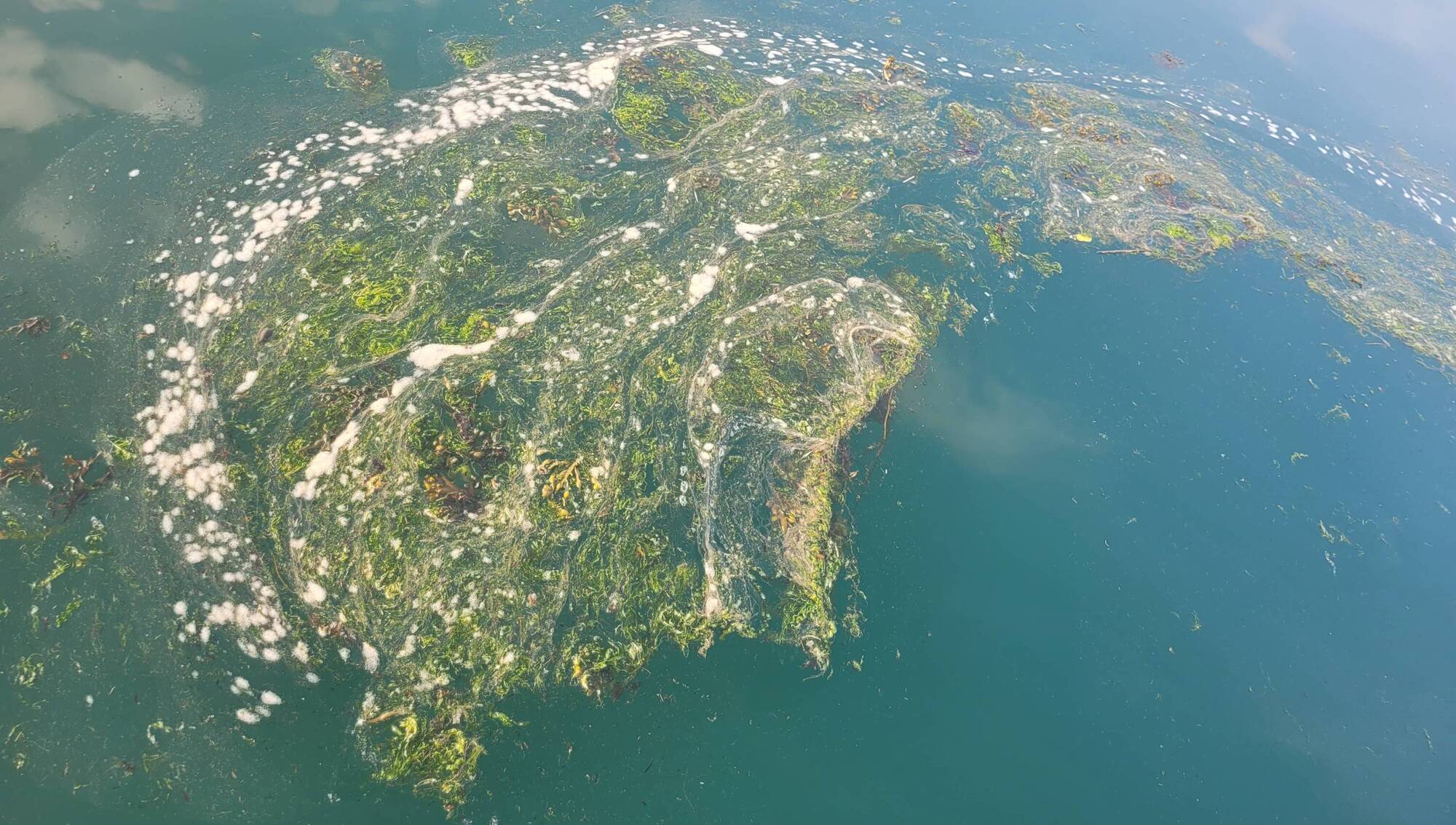
'We've never protected nature well in Ireland:' Call for investment to protect Ireland's marine areas

Birdwatch Ireland’s head of policy Oonagh Duggan said aspirational plans to protect nature would never be fulfilled unless increased investment was made.

Ireland has never protected nature well and the State is failing to provide adequate resources to meet its environmental targets, an Oireachtas committee has been told.

Birdwatch Ireland’s head of policy Oonagh Duggan said aspirational plans to protect nature would never be fulfilled unless increased investment was made.

Addressing the Joint Oireachtas Committee on Fisheries and Maritime Affairs, in a debate about marine protected areas, Ms Duggan said: “There’s potential for so much hope when things are done well.

But we've never protected nature well in Ireland, not on the land or in the sea.

“We've never done it properly. We've never resourced it. We've never had proper budgeting for the National Parks and Wildlife Service, for example.

"There's a huge scope for this to be done properly, but we really need the Government to act on that.”

Irish Wildlife Trust marine policy and advocacy officer Grace Carr referenced last month's Habitats Directive Report, which said an increasing number of habitats in Ireland were listed as “inadequate” or “bad”.

 “That's proof that what we're doing so far isn't working, and we need to look at alternative ways to protect our environment," she said.

The comments were made during Oireachtas statements on marine protected areas (MPAs), sea zones designated as, in effect, underwater national parks.

The Government pledged in 2023 to protect 30% of Ireland’s marine areas by 2030, as part of the EU Biodiversity Strategy.

It has committed to bringing forward new legislation to underpin a national MPA network to allow the State meet its so-called “30 by 30” target.

However, despite an expert group recommending in 2019 that legislation be put in place, it has not materialised.

Various bodies giving evidence at the committee said while the necessary legislation needed to be brought in quickly, it should not be at the expense of proper public engagement.

Ms Carr referenced failings around the introduction of Natura 2000 sites in Ireland as part of an EU-wide network of protected areas, covering land and sea, and designated under the Habitats and Birds Directives to conserve rare habitats and species.

These include bogs, dunes, woodlands, otters, bats, and dolphins and comprises Special Protection Areas (SPAs) for birds and Special Areas of Conservation (SACs) for habitats and species, including terrestrial, freshwater, and significant marine zones.

Ms Carr said: “A lot of trust has been broken in how previous Natura sites have been designated and they're not being effectively managed.

So we're not seeing the benefits to nature or fisheries, and people are getting caught under layers of bureaucracy as well.

“I can understand the mistrust in communities around this because they haven't been listened to and they're not seeing benefits.

“We would like to fully support the bottom-up approach where the coastal communities, the people in the areas, are brought in from the very beginning.”

Fishing industry representatives Patrick Murphy and John Lynch, of the Sea Food Alliance, said: “To be effective and successful, the development, design and designation [of MPAs] need to be informed by robust, transparent science and supported by the participation and engagement of relevant stakeholders.”

x

More in this section

Lunchtime News

Newsletter

Keep up with stories of the day with our lunchtime news wrap and important breaking news alerts.

Cookie Policy Privacy Policy Brand Safety FAQ Help Contact Us Terms and Conditions

© Examiner Echo Group Limited