Sharp rise in workplace fatalities last year 'deeply concerning', safety watchdog says
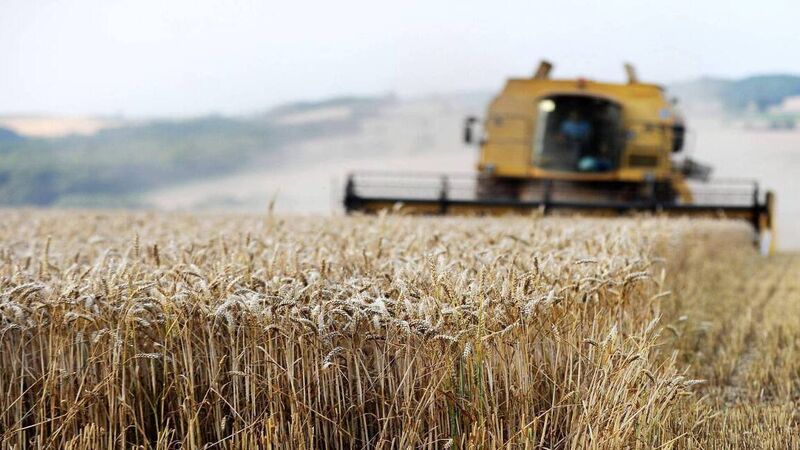
Agriculture sector saw 23 work-related deaths recorded, representing 40% of all such fatalities in 2025, from a sector that employs just 4% of the overall workforce.
There was a sharp rise in workplace fatalities last year, as the State’s watchdog warned well-known hazards in workplaces were “not being adequately controlled”.
The Health and Safety Authority said on Monday the number of people dying in work-related incidents rose from 36 in 2024 to 58 last year, a 61% increase.
The agriculture sector saw 23 work-related deaths recorded, representing 40% of all such fatalities in 2025, from a sector that employs just 4% of the overall workforce.
The construction sector saw 10 deaths in 2025 compared to five a year prior, while five fatalities were seen in the manufacturing sector compared to none in 2024.
“The increase in work-related fatalities in 2025 is deeply concerning,” the chief executive of the Health and Safety Authority Mark Cullen said.
“Every death is a tragedy, and each one represents a life lost and a family devastated. We recorded our lowest ever fatality rate in 2024 and, while annual figures can fluctuate, this sharp rise serves as a stark reminder that employers and workers alike must stay vigilant and avoid complacency when it comes to workplace safety.”
According to the statistics, the number of deaths was 2.1 per 100,000 workers in 2025, a rise from 1.3 in 2024.
However, the watchdog said the long-term trend remains downward. It was the highest rate since 2020, when 2.4 deaths per 100,000 workers were recorded.
The leading causes of fatalities were being hit or crushed by falling objects, incidents with machinery or vehicles and falling from a height.
One third of the victims (19) were aged 65 or over, with the oldest victim aged 88. There was one fatality recorded in a worker under the age of 18, and four between the ages of 18 and 34.
The counties with the most fatalities recorded were Cork, Dublin and Donegal, with six each.
The figures also show self-employed workers continue to face significant risks at work, with 40% of workplace fatalities being self-employed people.
The Health and Safety Authority called this a “stark and disproportionate figure that underlines the dangers of working without the support structures typically found in larger organisations”.
It also pointed out that many self-employed workers operate alone, increasing the danger when such incidents occur, as no one else is there to help or raise the alarm.
Mr Cullen said: “The fact so many fatalities continue to involve machinery or vehicles, and falls from height, shows that well-known incident triggers are not being adequately controlled.
“These are hazards that can be managed through proper risk assessment, forward planning and ensuring that all employees are fully aware of the need to prioritise safe working behaviour.
“Working safely is entirely possible even if you are self-employed or working alone. When you work alone, particularly in high-risk sectors such as agriculture and construction, you must be even more vigilant in planning your work and ensuring help is available when you need it or if something goes wrong.”
Mr Cullen added no job was important enough to put your life at risk.