‘Early warning’ system for child welfare checks under development
‘Early warning’ system for child welfare checks under development

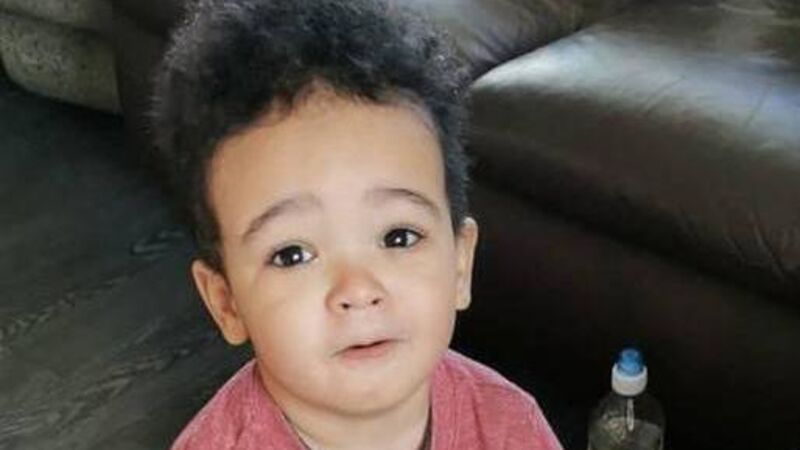
The programme of wellbeing checks comes in the wake of the death of Daniel Aruebose, who was born in December 2017, but died in 2021 at just three-and-a-half years old.

The Government is developing a new “early warning” system for child welfare checks, in the wake of the Daniel Aruebose case.

That case already sparked a major programme of 42,000 such checks.

Children’s minister Norma Foley said PPS numbers are being used to corroborate children’s records, as part of the wellbeing checks.

The cases being examined are ones which were closed during the pandemic. They are children aged between 0-18 whose cases were closed but have not had any further contact with Tusla since.

“The purpose of the project is to establish that these children are currently accounted for, are known to a relevant State service, and that the service is aware they should contact Tusla if they have any further concerns,” Ms Foley said.

“It’s an enormous body of work and work is well underway.” 

The programme of wellbeing checks comes in the wake of the death of Daniel Aruebose, who was born in December 2017, but died in 2021 at just three-and-a-half years old.

His remains were discovered buried in Donabate, Co Dublin, in September.

Murder investigation into death of Daniel Aruebose

A murder investigation was launched into Daniel’s death earlier this month. A man who was arrested in Brazil last week is suspected to be connected with Daniel’s disappearance.

He is currently pending deportation to Ireland, with gardaí expected to speak with the man upon his arrival in the country.

A woman was arrested earlier this month in relation to the investigation, but was released without charge.

Ms Foley said PPS numbers are being used to scrutinise the records of each child to “expedite the work”.

“Work is ongoing to match children’s PPS numbers on their Tusla case records with: the PPS number on their child benefit records; the PPS number on their school enrolment record; or their PPS number for their enrolment record in an early years setting,” Ms Foley said. 

“This will help in terms of establishing a child’s current address and contact details.”

The children’s minister said the use of PPS numbers in the wellbeing check programme has “considerable potential” for a new system to check in with children.

System of automatic 'eyes on the child'

“There is an inter-departmental group working on developing a system of automatic “eyes on the child” so that there is an early warning system for State agencies if a child is not being checked-in as expected at certain key stages,” Ms Foley said.

“Recent cases have shown us that such a system of automatic “check-ins for children” is required to help detect vulnerable children.

“We are living in a society where there is far more movement and people do not always know each other as well as they once did.

“We will have a stronger child protection system because some of the learnings about how the system operates.”

The programme of wellbeing checks is being overseen by an independent steering group, which is chaired by Tanya Ward, the chief executive of the Children’s Rights Alliance.

This steering group is expected to complete its work by March 2026, with Ms Foley then set to consider recommendations from its final report.

The group contains representatives from the Departments of Social Protection, Health, Education, and Justice as well as the HSE, CSO, and Barnardos.

Ms Foley received a total of €3.2m in October’s budget to fund the wellbeing check programme.

x

More in this section

Lunchtime News

Newsletter

Keep up with stories of the day with our lunchtime news wrap and important breaking news alerts.

Cookie Policy Privacy Policy Brand Safety FAQ Help Contact Us Terms and Conditions

© Examiner Echo Group Limited