Irish-funded Christmas project a lifeline for Palestinian craftspeople in Bethlehem
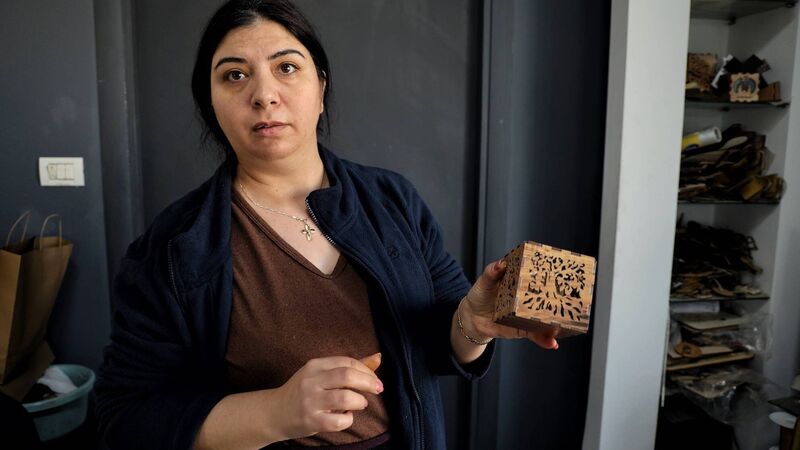
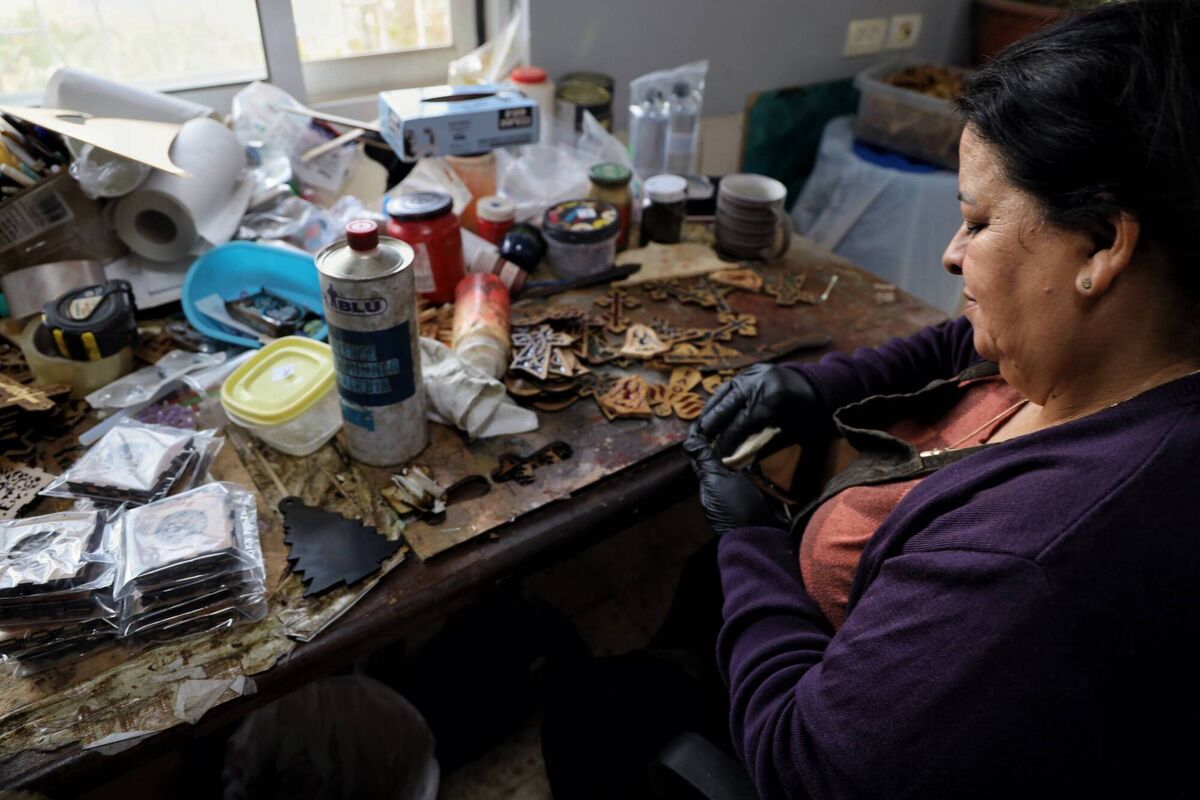
Since October 2023, not one store in Bethlehem has made an order with Claudia Stephan. Photo: Hannah McCarthy
Claudia Stephan started working on an order from a local souvenir store in Bethlehem for 5,000 wooden decorations at the small workshop she runs from her home in the hills around the Palestinian city on October 6, 2023.
The October 7 attack and the onset of the Gaza war brought tourism — the economic engine of Bethlehem — to a grinding halt. The large order Stephan, 42, received was quickly cancelled, and since then not one store in the city has made an order with her, she says.
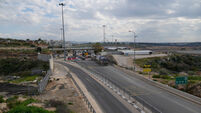
Since October 2023, Bethlehem’s economy has sharply contracted amid heavy travel restrictions imposed by the Israeli authorities and the suspension of work permits in Israel for Palestinians. The Palestinian city’s unemployment rate has soared from 14% to 65%, according to the city’s mayor Maher Nicola Canawati, while 4,000 residents have emigrated.
“The West Bank is undergoing its most severe economic downturn on record, driven by heightened insecurity, movement and access restrictions and the loss of productive opportunities in all sectors of the economy.
"By the end of 2024, Palestinian GDP fell back to its 2010 level while GDP per capita returned to that of 2003, erasing 22 years of development progress in less than two years,” according to the UN agency for trade and development.
Stephan’s neighbour recently emigrated to Spain with her four children, as well as her cousin who worked as a pastry chef in Bethlehem — “some go to Cyprus but mainly they go to Spain”.
While Stephan has clients based overseas who continued to buy from her during the war, she was almost one of the Bethlehemites who left their home city with her three children.
“My husband has a small engineering office, and with the situation nobody wants to build,” she says. “But we stayed because my husband is an only child, so there's no one to take care of his family.”
With a fragile ceasefire in Gaza, the Bethlehem authorities held annual Christmas celebrations for the first time in three years.
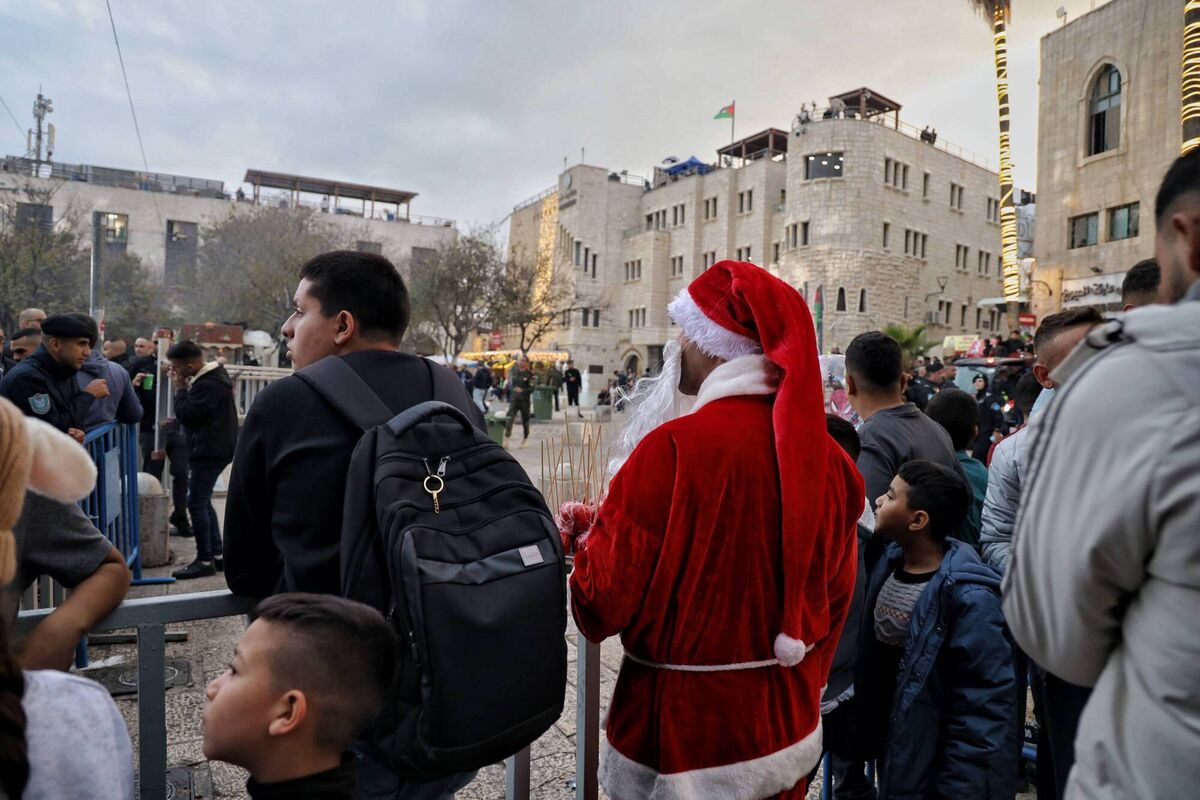
The event was attended by thousands of Palestinians, but few foreign tourists were among the crowds who gathered in front of the Church of the Nativity to see the Christmas lights turned on.
Just around the corner from the busy square, souvenir stores and cafes remained shuttered during what should be one of the busiest periods of the year for Bethlehem.
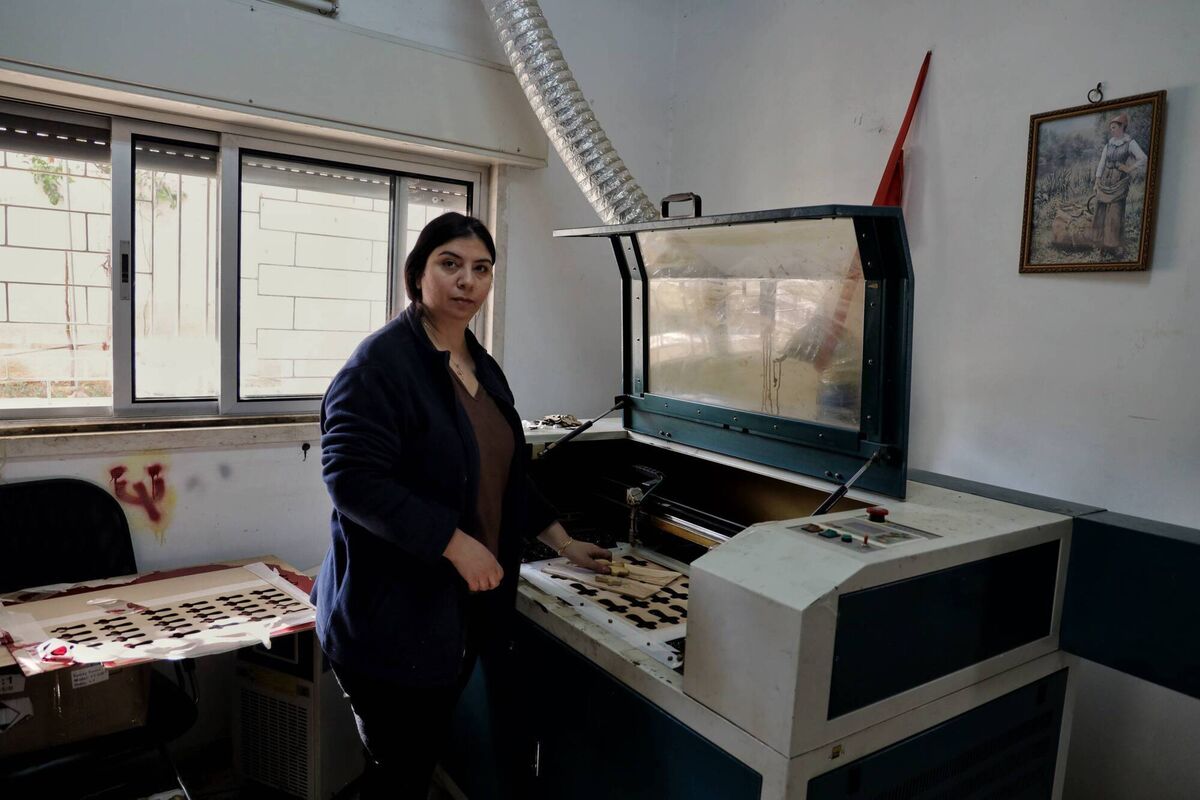
Despite the lack of orders from local stores, Stephan has been able to employ three local Palestinian women part-time over the last few months.
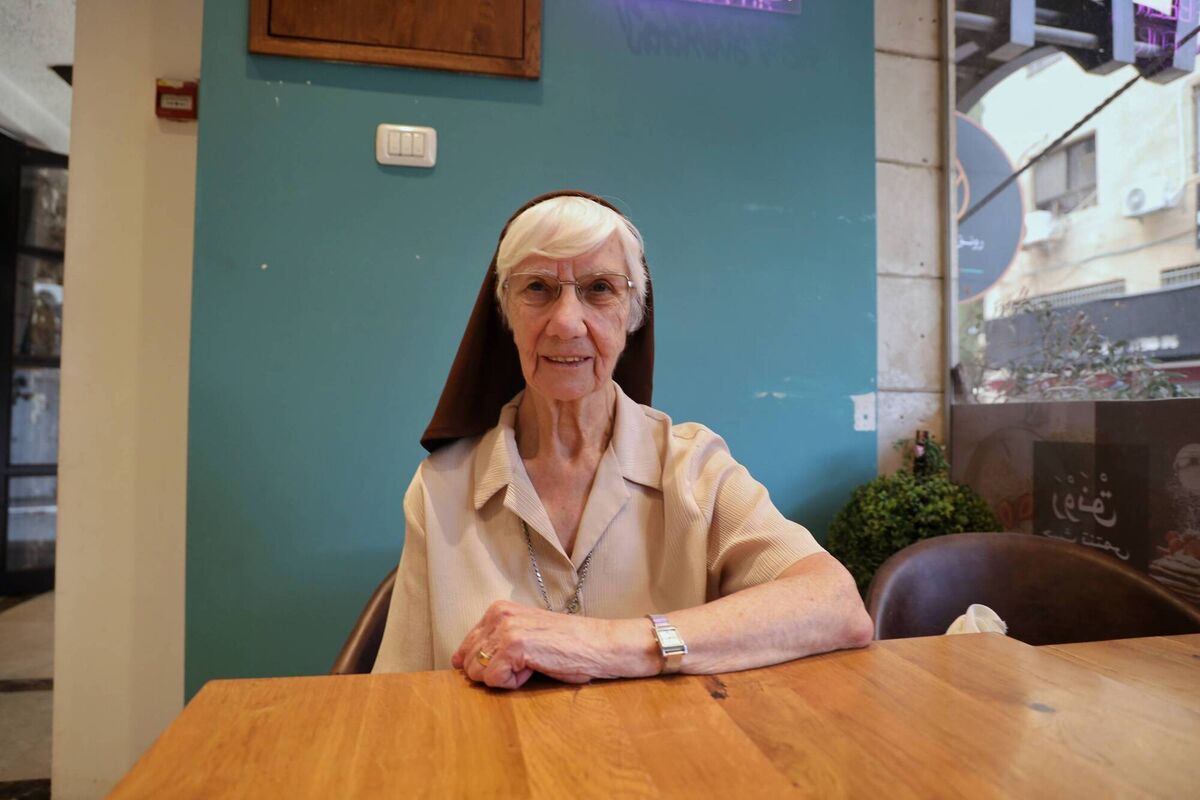
This is due to support from a project overseen by Jerusalem-based Irish nun Sister Bridget Tighe, 80, which aims “to give work with dignity to some of the poorest” in Bethlehem.
Despite spending most of her life in England and the Middle East, Sr Tighe still speaks with an accent from her native Sligo.
The funding for the Bethlehem project comes from Misean Cara, an Irish NGO which supports projects overseen by Irish missionaries based overseas, and Sr Tighe’s order: the Franciscan Missionaries of the Divine Motherhood.
The funding has originally been for the final year of a project in Gaza where Sr Tighe, a trained nurse, spent three years as head of the Caritas Jerusalem medical centre in Al Shati camp. But when the war began in 2023, the funding was redirected for a job creation project in the West Bank, due to difficulties in sending staff to the besieged Gaza strip.
Working alongside Stephan when visits her small workshop in Beit Jala is Ebtesam Massou, a 60 year-old grandmother who works in the mornings before returning home to her family.
“When you support a small business, you support not just one family, you support a dream,” says Stephan. “You support the spirit of Bethlehem.”
“These poor people have no work. The big stores don't help them, so they've used up all the savings that they have this year,” says Sr Tighe.
The project has specifically assisted women who need to work from home and people with disabilities, with a focus on Bethlehem’s minority Christian community.
“Many of these people once earned a good income from the tourists and pilgrims and live in nice apartments but now have nothing left,” says Sr Tighe.
“The poverty isn’t obvious but many of these people don’t have enough food and can’t afford to pay for their children's education.”
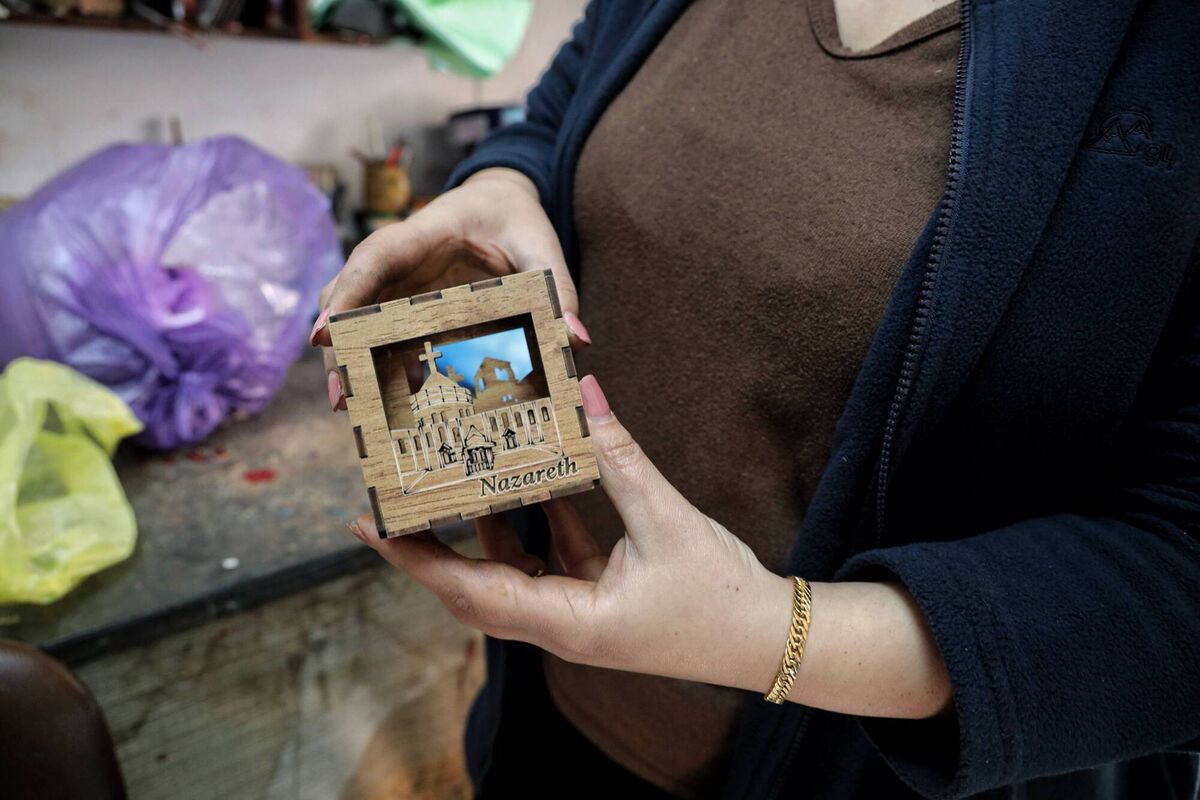
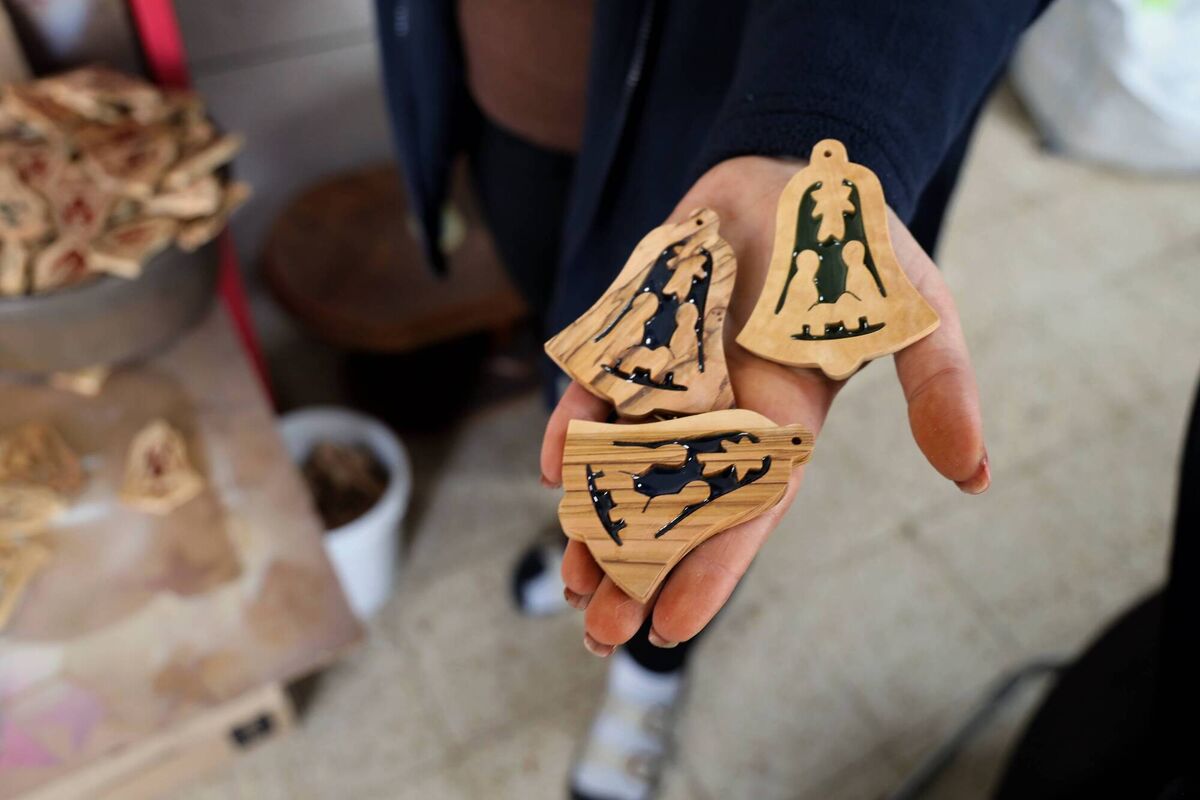
Many of the pieces being produced in mostly small one-man workshops around Bethlehem are made from the wood of local olive trees which Palestinians harvest for oil, soap and firewood.
“Every bit of the olive tree can be used,” says Sr Tighe. “They send the best bits to the olive wood factories, and the rest goes for firewood and for the stoves — every bit of it is used.”
!['Some of [the pieces] are religious,' says Sr Tighe. 'Some of them are not religious and for everyone.' The Irish NGO Trocáire has purchased some, as well as the Franciscan Missionaries of the Divine Motherhood, of which Sr Tighe is a member. Photo: Hannah McCarthy](/cms_media/module_img/9801/4900895_11_articleinline_9F6A7487_1_.jpg "'Some of [the pieces] are religious,' says Sr Tighe. 'Some of them are not religious and for everyone.' The Irish NGO Trocáire has purchased some, as well as the Franciscan Missionaries of the Divine Motherhood, of which Sr Tighe is a member. Photo: Hannah McCarthy")
“Some of [the pieces] are religious,” says Sr Tighe. “Some of them are not religious and for everyone.”
The Irish NGO Trocáire has purchased some of the decorations and Sr Tighe says she is focused on selling the Christmas decorations overseas to avoid undercutting the workshops she is trying to support in Bethlehem.
“We can't help all of the poor,” says Sr Tighe. “But the poorest that we found, we gave them work when they weren't getting any work from tourists.”
CONNECT WITH US TODAY



Be the first to know the latest news and updates