Almost three-quarters of people distrust ads on social media, says survey
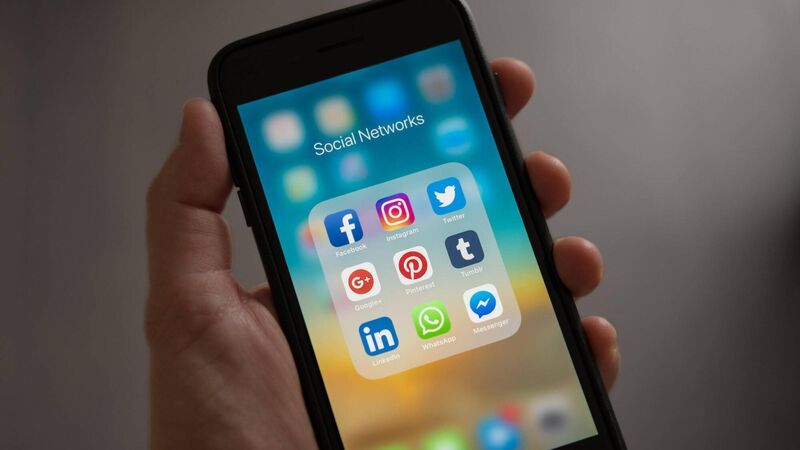
The survey also found that 69% of respondents they don’t trust social media companies to protect users from fraud, while 76% say the risk of fraud scams makes them wary of shopping online. File picture: Pexels
Nearly three in four people in Ireland distrust adverts they see on social media platforms, a new survey has suggested, as the public was warned about “pump and dump” scams plaguing WhatsApp users.
The survey for Bank of Ireland has suggested that a similar majority (69%) say they don’t trust social media companies to protect users from fraud, while 76% say the risk of fraud scams makes them wary of shopping online.
The research from polling company Red C also suggests most people feel social media companies shouldn’t be allowed to generate revenue from fraudsters putting ads on their platforms (91%) and feel that companies that advertise financial services should have to prove the ads are genuine (90%).
“Social media platforms have become a lucrative hunting ground for fraudsters and consumers are paying the price while technology giants gain revenue,” the bank’s head of fraud, Nicola Sadlier, said.
“As we launch our new fraud awareness campaign highlighting scams originating via social media, a new spate of ‘pump and dump’ investment fraud is spreading fast, mainly using WhatsApp.”
This particular scam sees fraudsters lure victims via a fake social media ad to join an investment WhatsApp group. The scammers pose as financial investment experts and dupe people with misleading information about particular companies and stocks.
Members of the group buy the stock, the price is pumped up due to increased demand and when the price peaks the scammers sell their holdings at a profit and disappear.
Bank of Ireland said its new fraud awareness campaign aims to highlight the threat of fraud originating from social media platforms.
It said the main fraud themes emerging this year have been around investment scams, CEO fraud, invoice redirection, smishing and fake online purchases, as it called for legislation change to help consumers.
It added that anyone who suspects they have been a victim of fraud should contact their bank immediately so it can try to stop the fraud and recover the funds.
CONNECT WITH US TODAY



Be the first to know the latest news and updates