Small State bodies should not have to manage 'complex IT projects', Arts Council to tell Dáil committee
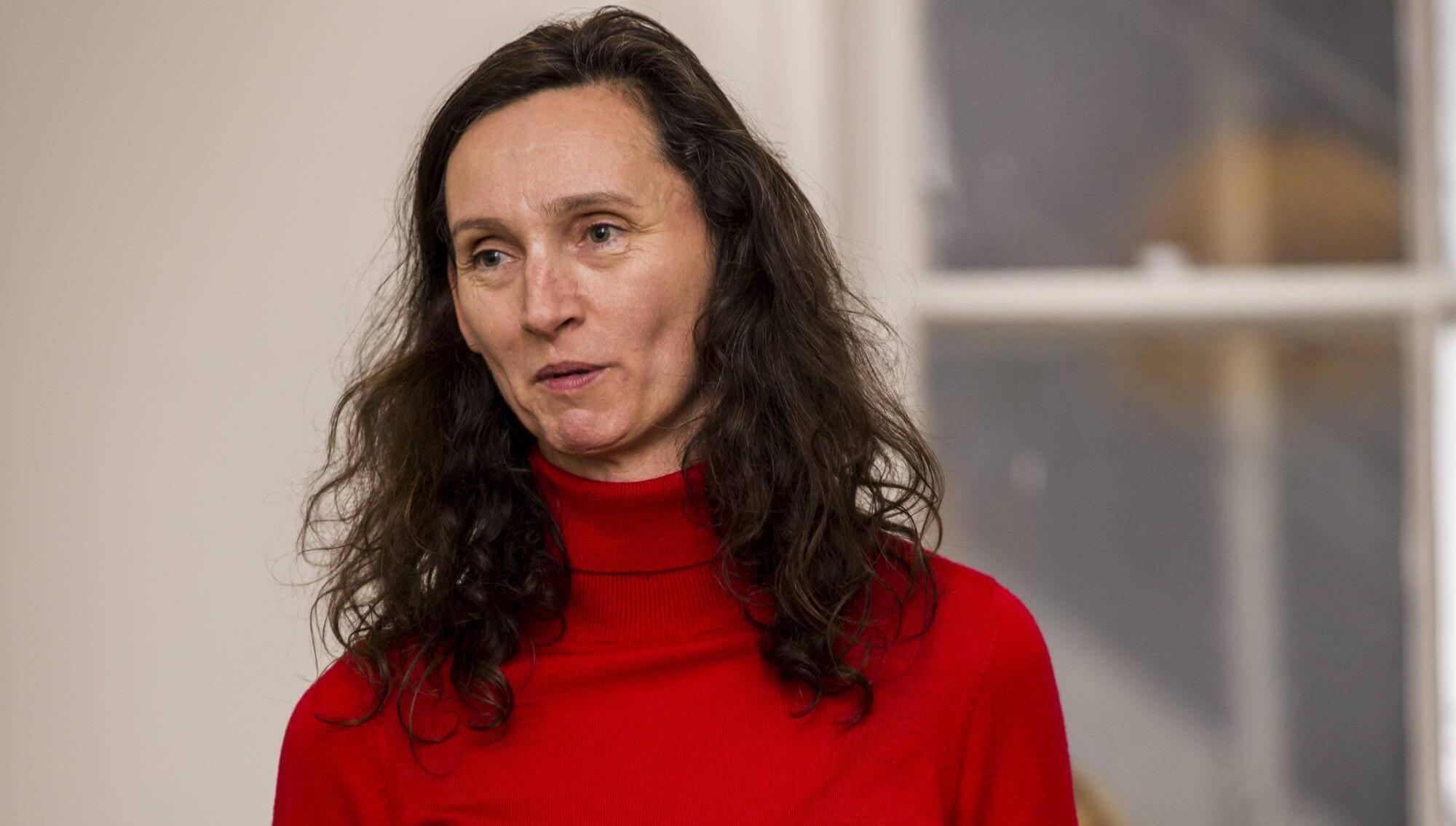
Arts Council director Maureen Kennelly is due to say lack of internal expertise, poor performance by our contractors and also the impact of covid-19, all contributed to the project failure'. Picture: Tristan Hutchinson
The chair of the Arts Council claims small specialist State bodies should not be expected to manage their own “complex IT projects” after €6.5m was spent on an IT system that was never delivered.
Maura McGrath is due to tell the Oireachtas Public Accounts Committee (PAC) on Thursday that the project in question — which was to see five separate IT portals dating from 2008 amalgamated into one centralised grants management system — “was not and is not an optional extra”.
“However, the expectation small State bodies set up for specialist purposes should be expected to carry the load on complex IT projects, should be questioned,” Ms McGrath is due to tell the committee.
An initial investigation by the Department of Arts, published last February, found the council had not been prepared for the scale of the project and it had not put in place resources to deliver it.
It is understood the issue first emerged during the last government, while the Arts Council was under former arts minister Catherine Martin.
The original budget for the IT system was some €3m. By the time the project was pulled, the total loss to the taxpayer was estimated at €5.3m, according to the Comptroller and Auditor General, with €1.2m considered to still be of use in for a new replacement system.
An external report from an expert advisory committee has since been commissioned into what had transpired as the project foundered. That report has yet to be delivered.
Arts Council director Maureen Kennelly is expected to tell the PAC on Thursday the Arts Council’s antiquated IT systems date from 2008, are not integrated with each other and are “difficult to use”.
She is due to say external contractors had been engaged to deliver the project as internal resources for such a large-scale undertaking were not present.
Ms Kennelly is due to say that in September 2022, when the project was already a year overdue, “multiple bugs were delivered”.
Upon discovering the “sub-standard work” which had been carried out up to that point, it became clear the project “could not move forward to completion”.
“We ended contracts with both our testers and developers, changed the developers, project governance and management structure, and began work to rectify and complete the programme,” she is expected to say.
The council’s director will add following an “attempted reworking”, it was told “the system was too flawed to rectify in a reasonable timeframe”, following which development was definitively halted in June of last year.
She is due to say that “in summary, lack of internal expertise, poor performance by our contractors and also the impact of covid-19, all contributed to the project failure”, adding the council had since commenced legal proceedings against two contractors, with further actions to follow against two more.
“We are vigorously pursuing our cases to reduce the loss to the taxpayer,” Ms Kennelly is due to say, adding the Council had “senior ICT expertise in-house now” but nevertheless the “challenge in relation to Arts Council systems functioning efficiently remains”.
“We greatly regret that this ambitious and complex project was not completed,” she is set to tell the committee.
The Arts Council was first established in 1951 to encourage the arts and channel State funding to artists and artistic organisations. Last year, the organisation received 8,600 applications for grants.
The council is almost exclusively funded by the State, and was in receipt of just under €134m worth of taxpayer funding to that end in 2023.


CONNECT WITH US TODAY



Be the first to know the latest news and updates