Bereaved family could bump into their son's killer on the street
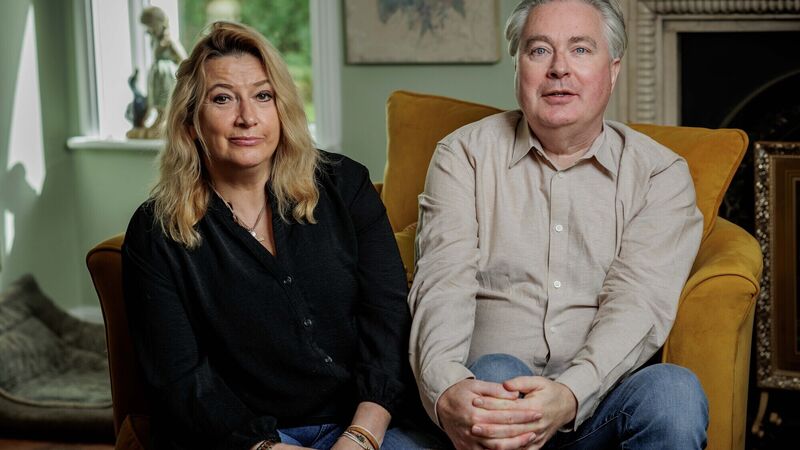
Paula and Michael Loughlin, parents of Jimmy Loughlin who died in 2018, when Richard McLaughlin, burst through the front door of his home in Sligo and killed him with a crowbar. Picture: James Connolly
Michael and Paula Loughlin could bump into their son’s killer any day now. As far as they are aware, Richard McLaughlin has been released from the Central Mental Hospital (CMH). They are unsure of his exact location or circumstances, as communication with the CMH broke down.
The Loughlins, whose son Jimmy was beaten to death by McLaughlin in 2018, wanted a meeting with both the hospital and the minister for justice, who has the ultimate decision on whether a patient is fit for release. Their request was not granted.
The couple, who live with their three daughters in Ballintogher, 15km outside Sligo town, have been told McLaughlin is entitled to unsupervised release from the CMH.
There is no reason why they might not see their son’s killer when they go into town. Equally, if the couple or their daughters find themselves in Dublin, they could quite easily bump into McLaughlin.
On one level, the situation facing the Loughlins is unfortunately unavoidable. The law as it stands has determined McLaughlin should be released from the secure unit in which he was a patient if the medical advice deems it appropriate.
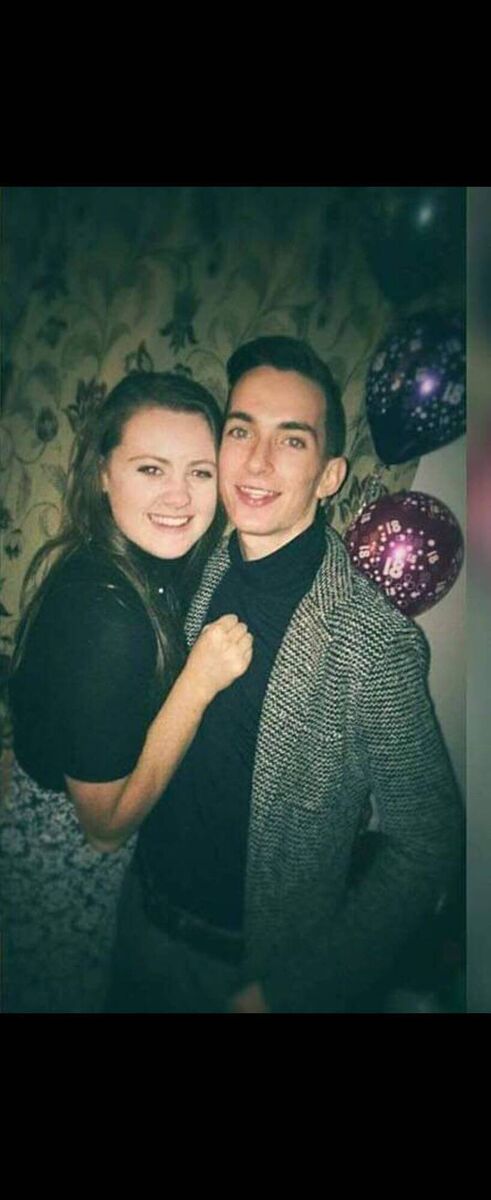
Jimmy Loughlin didn’t even know 31-year-old McLaughlin when the killing occurred on Saturday, February 24, 2018. Jimmy was living in a flat in Sligo, having left home a few months earlier at the age of 20. He had a job in Sligo and was developing a growing interest in DJing.
On the day in question, his two flatmates were away. McLaughlin broke down the door of the flat, attacked Jimmy with a crowbar, searched the flat for anybody else and came back to Jimmy, whom he continued to beat.
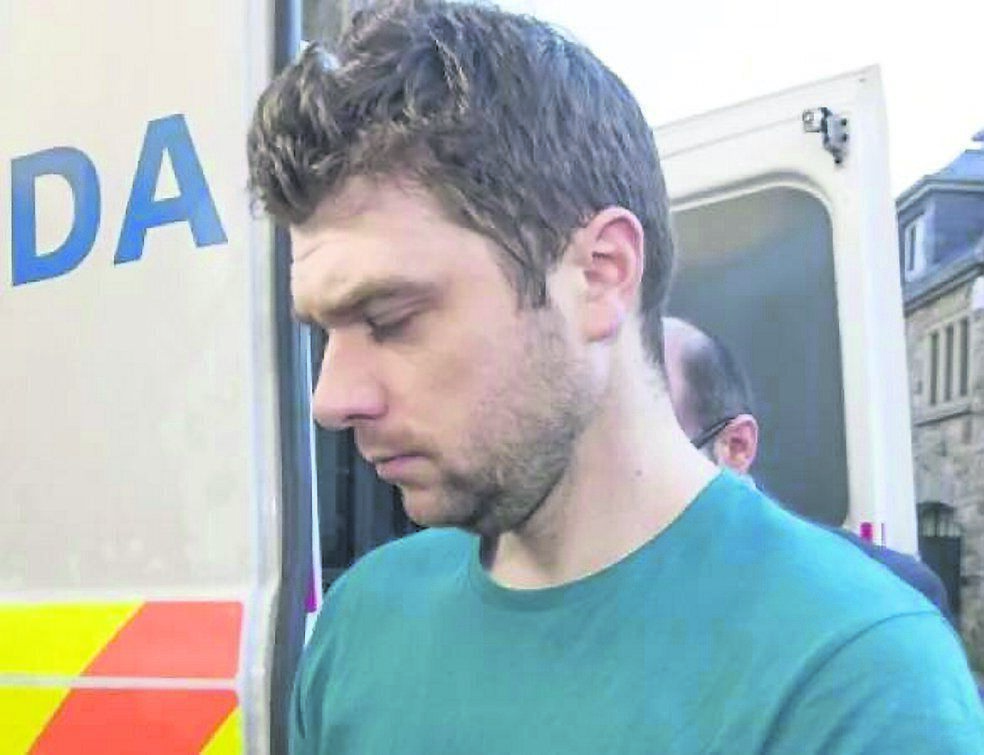
McLaughlin had been diagnosed with paranoid schizophrenia and had a decade-old history of violence, some of it extreme. He had been prescribed anti-psychotic drugs and had spent two periods in a psychiatric hospital.
At various points, the gardaí had issued warnings about him based on previous violent and threatening behaviour. In one earlier incident, he held his mother in her home and threatened to kill her until persuaded down by gardaí.
In July 2019, McLaughlin was found not guilty by reason of insanity at the Central Criminal Court. By then, the Loughlins had launched a legal action against the HSE, which was settled.
In March 2023, the HSE offered the family an apology, which was delivered in a crowded courtroom in Dublin. Crucially, a serious incident report, standard procedure under legislation, was not conducted.
The family have contrasted that approach to the aftermath of a homicide involving a seriously ill individual with what happened in Nottingham in 2023 when a man stabbed three people to death, including 19-year-old Grace O’Malley Kumar, daughter of an Irish physician. An investigation into the shortcomings in the health service in that case was completed within a year.
In the McLaughlin case, the understands a serious incident investigation was initiated, but terminated in 2020 without being completed. It may be this position was taken because of the ongoing civil action, but that has never been made clear.
In any event, a new investigation — or a continuation of that which had already begun — was not entered into following the ending of the civil action.
In August 2024, the contacted the HSE about any investigation. The response was that a tender was out for the job. It is unclear why, six years after the violent killing, it was only at tender stage.
Earlier this month, the HSE provided an update on the investigation, and once again said: “We sincerely and unreservedly apologise to the Loughlin family for the breaches of duty in the care provided to their son’s assailant.”
It noted it had commenced “an external independent healthcare record review (HRR) in line with the HSE’s Incident Management Framework”.
It apologised for the delay in starting this, which was attributed to a “high volume of reviews at procurement stage” in 2024.
No timeline was given for the expected completion of this review.
A “file review” is hardly the appropriate level of inquiry into a shockingly violent killing.
McLaughlin’s release is a separate matter. Under the Criminal Law Act 2006, he can be released into the community with the permission of the minister for justice. This includes initially that the release be supervised but if that goes OK, it can progress to unsupervised.
At some point subsequent to that, the patient can get “conditional discharge”, which is granted not by the minister but by the Mental Health Review Board. There is also provision that the patient can be recalled to the CMH if he or she is in breach of any attached conditions.
A bereaved family may well find such circumstances for release difficult to accept, particularly if the release is granted within a much shorter period than somebody, for instance, found guilty of murder might have to serve.
The law, however, is based on firm principles. If a defendant is found not guilty by reason of insanity, he or she should be entitled to be released if their condition is fully addressed and deemed to no longer present a danger to the public.
But there had been issues around McLaughlin’s violence for a decade before the killing, which obviously were not properly addressed, and now seven years later, the Loughlins are told he is apparently fit for reintegration into society.
There is a bigger problem at issue here. Repeatedly, inquiries into deaths, abuse, corruption are set up following political and media pressure. They are not conducted as a matter of course to find out what went wrong and learn from mistakes.
This infers that unless there is a political or public outcry a proper inquiry, befitting what has occurred, simply does not get done.


CONNECT WITH US TODAY



Be the first to know the latest news and updates