Nitrogen levels in Ireland's rivers fell last year but remain high in south-east, report shows
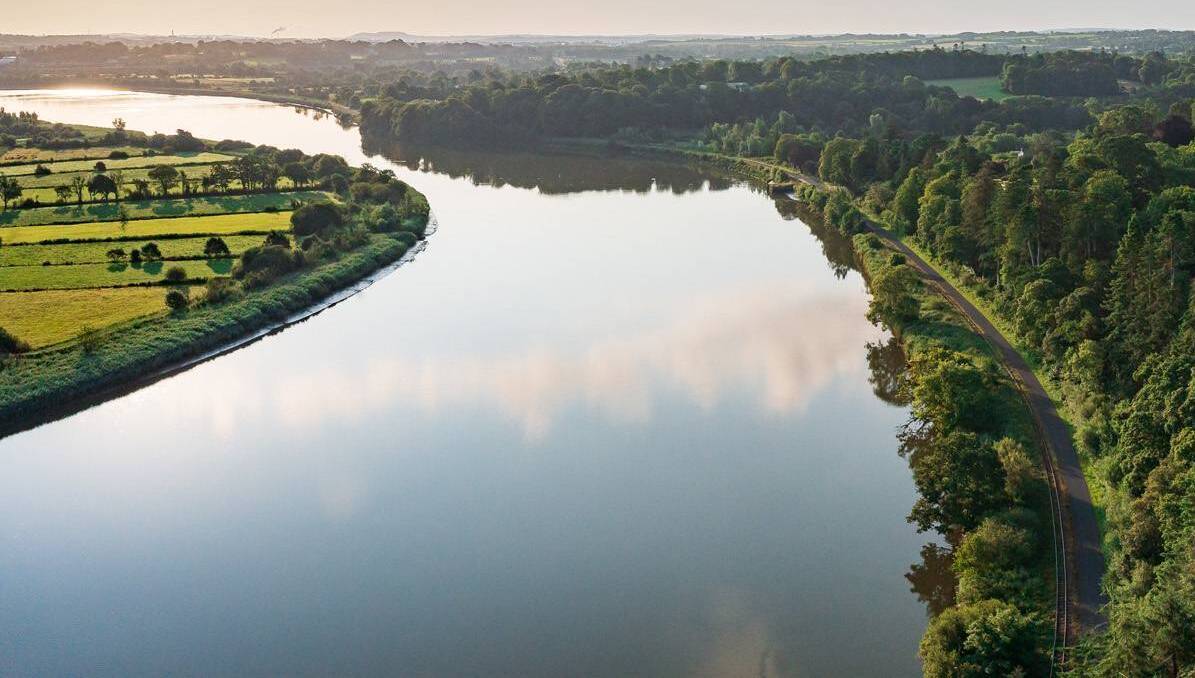
The EPA said nitrogen levels remained too high in rivers in the south-eastern part of the country, with further reductions needed to bring them to 'satisfactory levels'. File picture: Colin Shanahan
Nitrogen levels in rivers across the country reduced last year but remain too high in certain areas, particularly in the south-east of the country, according to a new report.
On Wednesday, in advance of the publication of its full national water quality assessment later this year, the Environmental Protection Agency (EPA) published its Early Insights Nitrogen Indicators for 2024 report.
This report, based upon monitoring data from 20 representative rivers, outlined a “welcome reduction” in nitrogen levels in our rivers last year.
Despite this, the EPA said nitrogen levels remained too high in rivers in the south-eastern part of the country, with further reductions needed to bring them to “satisfactory levels”.
Included in the EPA’s findings is data from Munster's Bandon, Lee, Blackwater, Suir, Maigue, Fergus, Shannon, and Deel rivers, as well as the Nore, Barrow, Slaney, Avoca, Liffey, Dee, White, Foyle, Erne, Garavogue, Moy, and Corrib rivers.
While nitrogen is important for aquatic ecosystems, excessively high levels of it can be detrimental in several ways. High levels of nitrogen can cause algae blooms, depleting oxygen levels in water, leading to so-called “dead zones” in which fish and aquatic life cannot survive.
This phenomenon, known as eutrophication, has severe negative consequences for biodiversity, fisheries and the food cycle, and recreational activities. High nitrogen levels — above the drinking water standard — also pose a risk to human health.
According to the EPA, agriculture is the primary source of nitrogen in Irish rivers.
The EPA has monitored and assessed nutrient concentrations in bodies of water in Ireland for many years, reporting this information to reporting to European Commission as part of various directives, including the Water Framework Directive, the primary law for water protection in Europe.
A key part of this framework is what is known as the nitrates directive, which compels EU member states to comprehensively monitor and take action against high nitrate concentrations in water, to establish action programmes to tackle this issue where it occurs, and to report all findings to the EC every four years.
The EPA says nitrate concentrations in Ireland’s rivers and groundwaters fell during the 1990s and 2000s, reaching their lowest concentrations in the early 2010s. Thereafter, concentrations then increased, reaching a peak in 2018/2019 due a combination of that year’s summer drought and an increase in fertiliser use to encourage growth.
In January 2023, the European Commission said it was referring Ireland to the European Court of Justice (ECJ) for failing to correctly transpose the Water Framework Directive into national law, something all EU member states were required to do by December 2003.
Ireland initially adopted legislation, but the commission found it to be insufficient, it said. The directive requires that all inland and coastal waters reach at least good status by 2027 at the latest.
Speaking following the publication of this latest report, EPA programme manager Jenny Deakins said it was “very positive” to see an improvement in nitrogen levels in Irish rivers in 2024 following a period of “little positive change in recent years”.
However, she said further actions would need to be taken to “reduce nitrogen and phosphorus losses to levels which will support good ecological health in our water bodies”.
“The ecology will not improve until nutrient levels are reduced in the areas where they are elevated,” she added.
“The EPA will be reporting on the ecological health of our waters later in 2025.”


CONNECT WITH US TODAY



Be the first to know the latest news and updates