Rent Pressure Zones 'performing well', insists head of Residential Tenancies Board
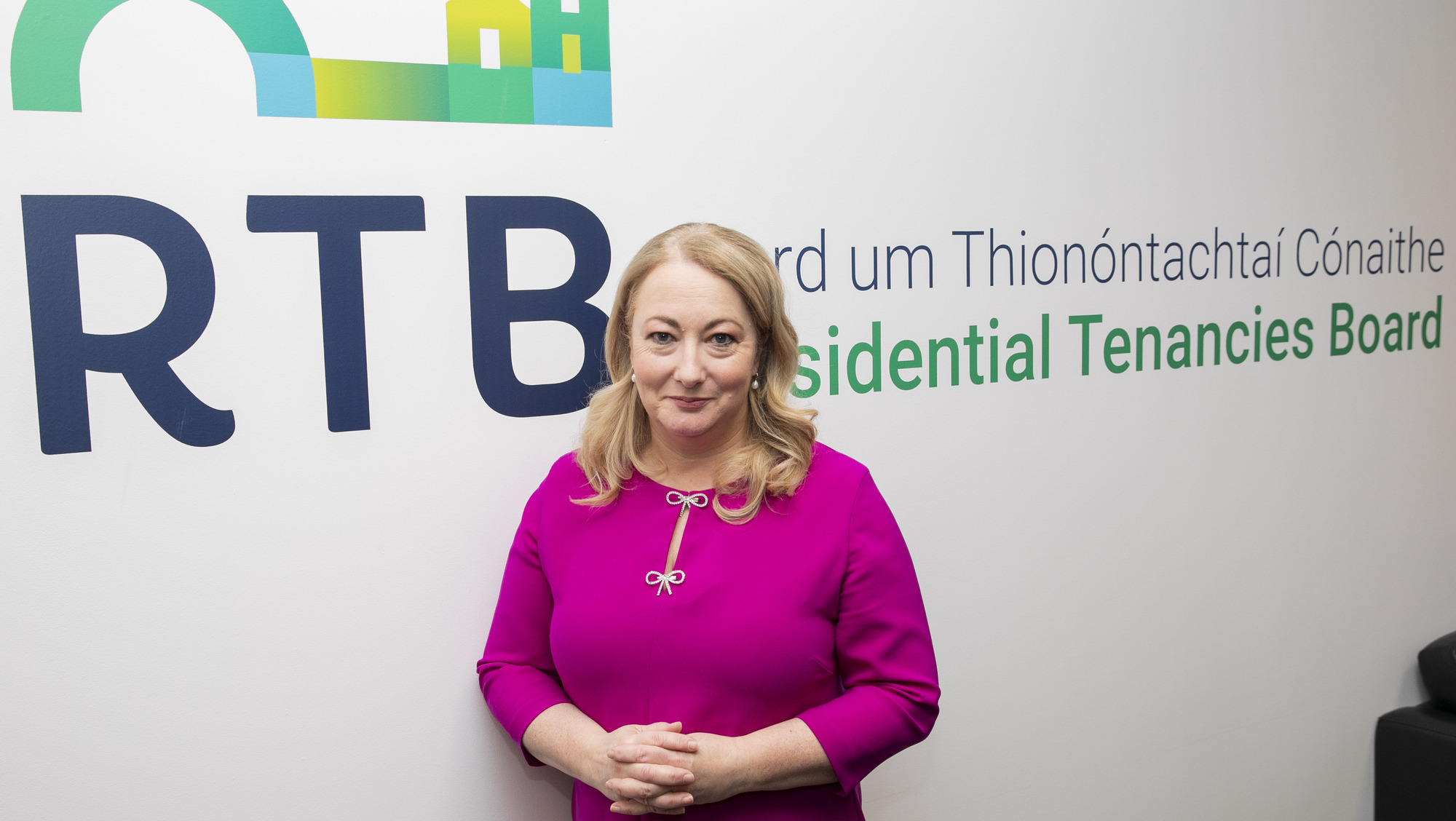
Residential Tenancies Board CEO Rosemary Steen made her comments at the launch of the RTB’s latest update for the third quarter of 2024, where data shows that the number of both tenancies and landlords rose in the year to the end of 2024. File photo: Gareth Chaney
The head of the Residential Tenancies Board has insisted that Rent Pressure Zones are “performing well”, but said any decision to do away with the system is a “matter for Government” alone.
The future of the RPZ system, which has been in place since 2016 to limit rental increases in areas of high demand and low supply of housing, has been in doubt since the Taoiseach confirmed the Government is considering abolishing the zones earlier this month.
However, director of the RTB Rosemary Steen said that — despite data from the Economic and Social Research Institute indicating that the majority of landlords are sticking to the rent limits imposed by RPZs — the role of the RTB is to “make sure the Government has the correct data” in making its decisions.
“We can see (RPZs) performing well, particularly in Dublin,” she said, noting that rental increases in that area were just 1.3% on average last year.
Ms Steen made her comments at the launch of the RTB’s latest update for the third quarter of 2024, with the data indicating that rents continue to rise at a rate of knots, notably for new tenancies which jumped by 6.4% year on year to an average of €1,693, with the highest average rates of €2,226 being seen in Dublin.
The average rent for an existing tenancy has also risen, though to a lesser extent, up by 4.7% over the 12 months to an average of €1,429 across Ireland.
The data, meanwhile, shows that the number of both tenancies and landlords rose in the year to the end of 2024 — with private tenancies up 7.6% to just under 241,000, while landlord numbers were up 4.5% to 105,594. That contradicts previous narratives suggesting landlords had been fleeing the market.
The RTB said that as a result of a compliance campaign run from September 2024 — using the property-level data the board has been accumulating since 2022 — 300 tenancies have had their rent ‘corrected’, or brought back within the RPZ 2% limit, to date, equating to €35,000 in overpaid rent having been returned to tenants.
A previous property-level study carried out by the RTB in tandem with the ESRI published last December indicated that roughly 75% of rental increases in RPZs since 2022 had been within the 2% legal limit. Ms Steen said she would be commissioning the same analysis for a further year in 2025.
Asked if the RPZ analysis already carried out would have gone to waste should the Government decommission that system, Ms Steen denied that would be the case and insisted that the study remains “an important piece of data”.
She said she could understand both “the policy challenge” presented by RPZs and the “concerns of renters” faced with the prospect of the limits being abolished, adding that the RTB is focusing on “the bad actors in the sector” in terms of its regulation work.
In addition to a rise in the number of landlords, the RTB’s data further indicated that notices of termination have declined significantly since the spike seen with the lifting of an eviction ban in March 2023 — falling by more than 35% to 3,706 in the three months to December 2024.
Meanwhile, a trend previously noted of new tenancies spiking in the third quarter of each year has dissipated, a fact suggesting that “people are hanging on to their tenancies”, according to ESRI research officer Rachel Slaymaker.

CONNECT WITH US TODAY



Be the first to know the latest news and updates