Digital system for recording children's deaths 'will help cut fatalities'
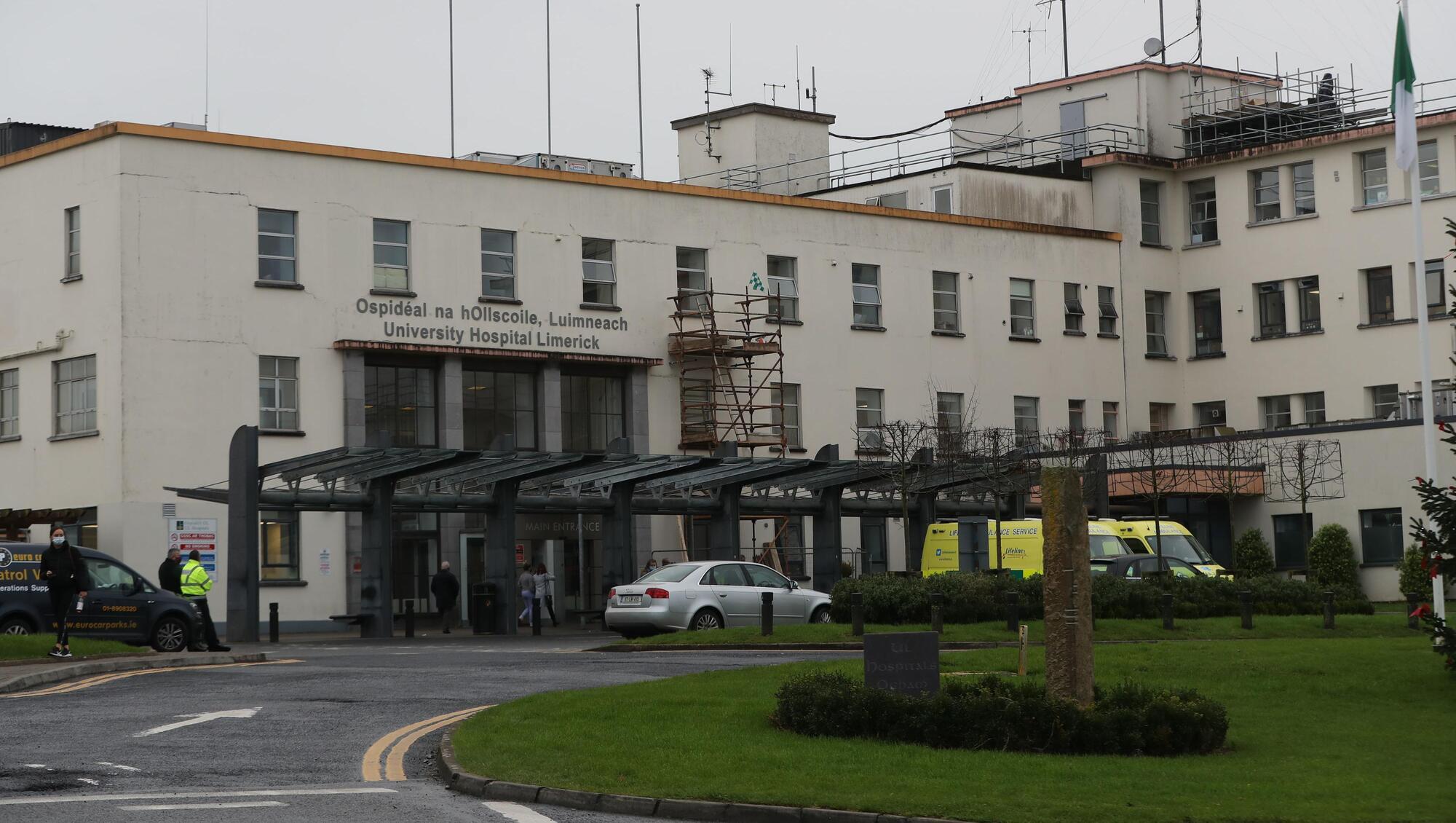
University Hospital Limerick is the only centre outside of Dublin running the pilot. File photo: Niall Carson/PA
A new digital system for recording children’s deaths in Ireland is expected to help reduce fatalities with University Hospital Limerick now set to launch a pilot over April and May.
This follows warnings "a large proportion" of the 612 child deaths in 2022 and 2023 were preventable, but the lack of a central recording system meant patterns cannot be properly analysed.
The National Office of Clinical Audit (NOCA) made this warning in a report earlier this month. They called for a centralised electronic data collection system to address this issue.
The new system will make recording deaths faster. It could allow doctors and other experts to see trends including across infectious diseases, car accidents or self-harm as well as conditions affecting babies.
A spokesman for UHL said they are working with NOCA on this. The digital system is expected to “inform health measures that will help reduce child death in this country”.
UHL is the only centre outside of Dublin running the pilot. Children’s Health Ireland hospitals in Dublin will also take part. Eventually this system will cover the whole country.
The initial phase will run for three months, he said. “That project is entering the build phase, with testing of the portal scheduled to commence in early Q2 with a view to implementation nationally in Q4 2025,” he said. Quarter 2 runs from April to June typically, and quarter 4 from October to December.
UHL has been researching the reasons why children die across the Midwest covering Clare, Limerick and north Tipperary in preparation. They found “difficulties in obtaining timely and accurate data” on child deaths, the spokesman said.
“(it) highlighted the need to standardise and resource data collection to ensure identification of trends that will assist in the development of intervention policies.”
The National Paediatric Mortality Register annual report was launched in early February by Professor Michael Barrett.
He said “granular detail” on specific conditions is unavailable. He warned this “makes it really difficult to make evidence-based recommendations for reducing the number of premature deaths” among children.
“Each young life holds immense potential, not just for their own futures but for the contributions they could bring to society,” he said.
“Among older children, trauma, including road traffic collisions and suspected self-harm, remains a leading cause of death, alongside slight increases in SIDS (sudden infant death syndrome) and infant mortality rates.”

CONNECT WITH US TODAY



Be the first to know the latest news and updates