Escalating armed conflict is most urgent threat for world in 2025, say global leaders
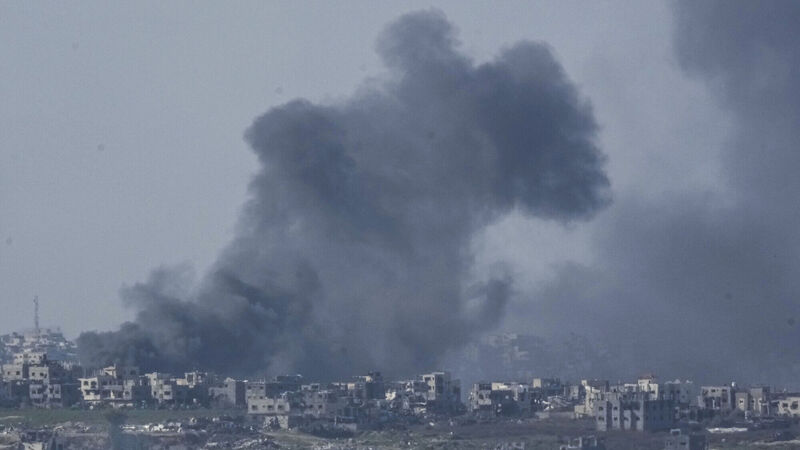
‘State-based armed conflict’ was the concern cited most by those surveyed by the World Economic Forum. Photo: AP/Mahmoud Illean
Global leaders have said that escalating armed conflict is the most urgent threat in 2025 but the climate emergency is expected to cause the greatest concern over the next decade, according to the World Economic Forum (WEF).
Ahead of its yearly gathering in the Swiss ski resort of Davos next week, the WEF asked more than 900 leaders from business, politics and academia about the risks that most concern them.
Looking ahead to the coming 12 months, 23% of respondents feared “state-based armed conflict”, as Russia continues to wage war in Ukraine and a series of other deadly clashes continue, including in Sudan and Gaza.
With devastating wildfires continuing to rage in Los Angeles, the second-most common risk highlighted for 2025 was “extreme weather events”, singled out by 14% of respondents.
Throughout last year, a series of dramatic floods, droughts and fires underlined the impact of the climate crisis on weather patterns, with scientists finding that global heating makes such events more likely and, in many cases, more extreme.
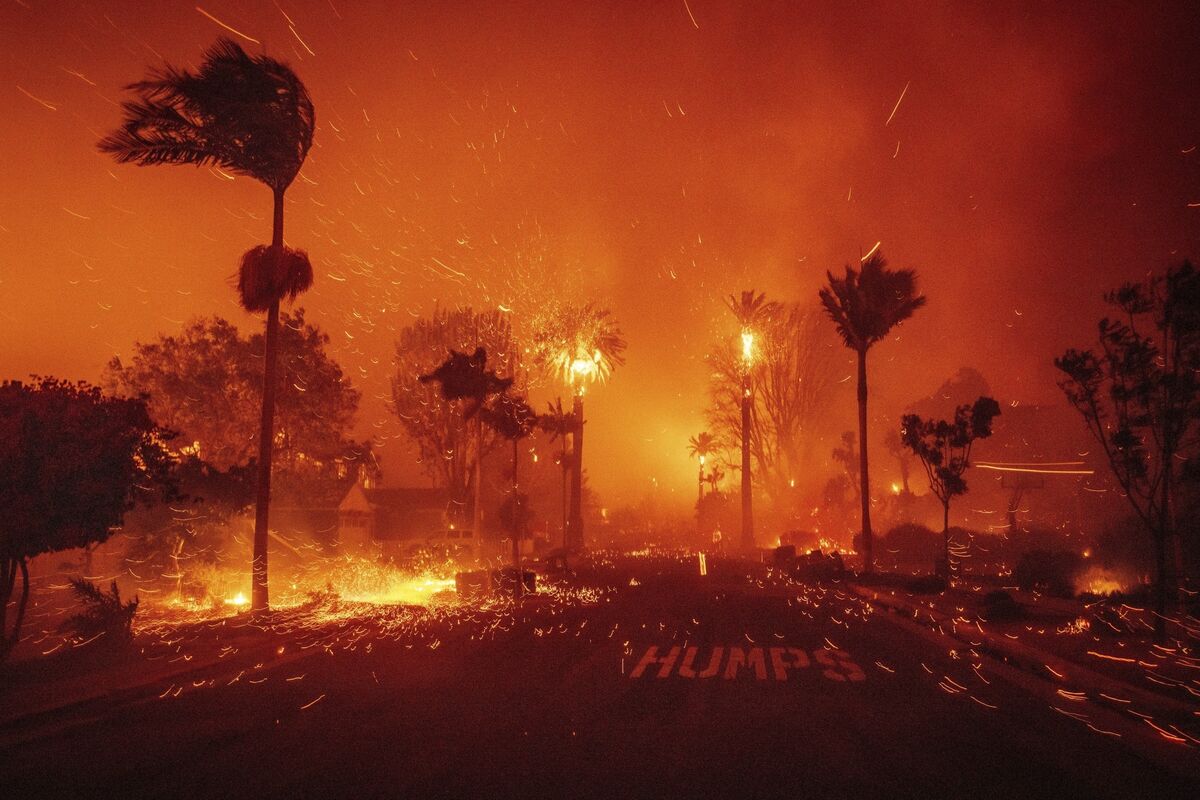
When global leaders were asked to look further ahead and identify the greatest risks facing the world over the next decade, four of their top 10 responses related to the climate crisis. Extreme weather events was the option chosen most often, followed by biodiversity loss, “critical changes to Earth systems”, and natural resource shortages.
Gim Huay Neo, the WEF’s managing director, said: “The climate and nature crisis requires urgent attention and action. In 2024, annual global warming reached a record 1.54C above the pre-industrial average, with many parts of the world experiencing unprecedented, catastrophic weather events.”
Two concerns related to technological innovation came next on the list of threats: “misinformation and disinformation”, followed by “adverse outcomes of AI technologies”.
The survey was carried out late last year, but anxieties about misinformation are intensifying as Donald Trump returns to power this month in a close alliance with Silicon Valley leaders who favour radical deregulation of the online sphere.
Meta has announced that it will ditch fact-checking and work with the Trump administration to push back against other nations seeking to rein in social media platforms.
Many governments are hoping that AI will deliver a much-needed boost to productivity; but even some of the technology’s proponents have sounded the alarm about some of the risks attached. At the extreme, these include the idea that AI could pose an existential risk to humanity if it becomes more intelligent than humans.
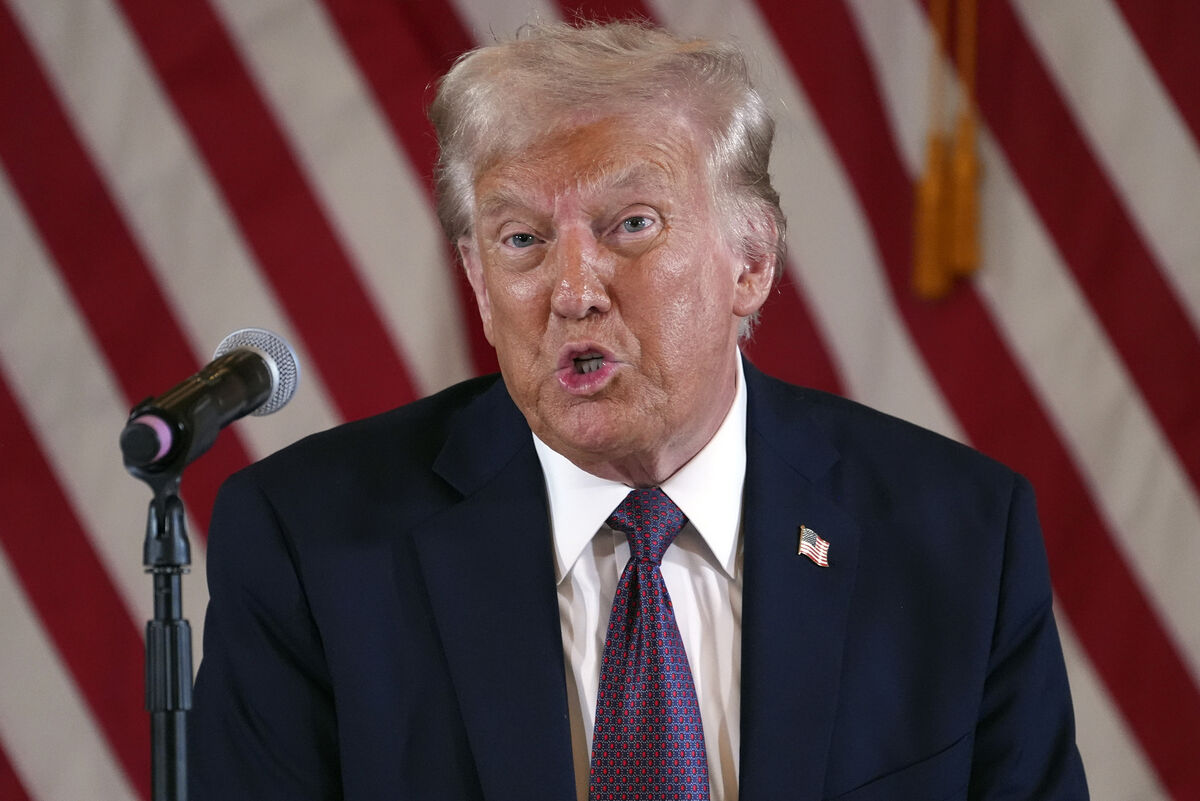
This year’s week-long Davos meeting will take place in the shadow of Trump’s inauguration — with the new president set to address the gathering virtually next Thursday. Organisers are expecting 60 heads of state and government to attend, alongside chief executives and campaigners.
The theme of the 3,000-strong gathering is, “a call for collaboration in the intelligent age” — but it will take place as Trump is expected to roll back co-operation on a range of global issues, including the climate crisis. The new president is expected to withdraw the US from the Paris climate agreement, and has defined his approach to fossil fuel extraction as, “drill, baby drill”.
Trump has also repeatedly called for the US’s defence partners in the Nato alliance, which include the UK, to increase spending on defence significantly.
Delegates in Davos will hear from the Ukrainian president, Volodymyr Zelenskyy, who is hoping to rally global support for his country’s war with Russia. Trump has claimed he will rapidly bring the conflict to an end, although it is unclear how he intends to do so.
CLIMATE & SUSTAINABILITY HUB
CONNECT WITH US TODAY



Be the first to know the latest news and updates