Uisce Éireann says it needs €60bn over 25 years to repair Ireland's water systems
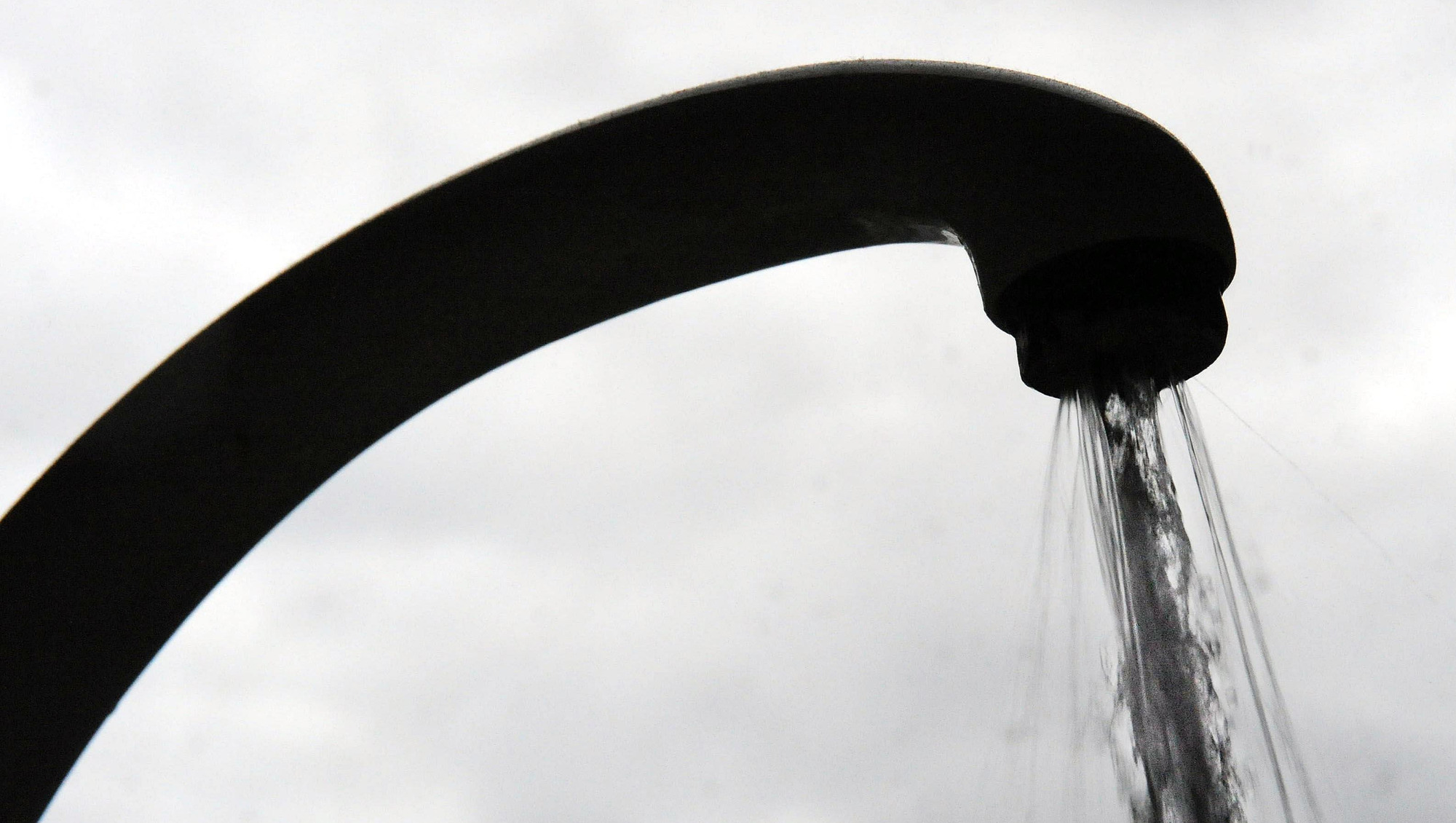
'We are losing approximately 37% of the water we treat due to leakage' according to the Uisce Éireann report on its water and wastewater systems.
Up to €60bn will be needed to fix known problems with Ireland’s water and wastewater systems over the next 25 years, according to Uisce Éireann estimates.
Some €17bn of that is required in the next four years, the public water utility has said.
In its Strategic Funding Plan 2025-2029, Uisce Éireann laid out the need for an “ambitious” capital investment plan.
“The repair and upgrading of the country’s water and wastewater treatment plants, and water and sewer networks will require a multi-billion euro investment programme that will extend beyond the lifetime of this plan,” the report said.
“Initial estimates indicate that, in the period to 2050, a capital investment of circa €55-€60bn [stated in 2022 prices] will be required to address the currently known needs and risks to water and wastewater service delivery to the standards that are currently required.”
It said this would “increase capacity, reduce leakage, improve resilience, facilitate economic growth, support the delivery of housing and achieve greater compliance with water and wastewater standards”.
It warned that if this level of funding was not forthcoming there could be consequences: “In the absence of this level of sustained investment there will be risks to service delivery and associated pressures on operational expenditure to maintain service levels.
Uisce Éireann, which replaced Irish Water on January 1 2023, operates over 700 water treatment plants.
“The investment in the infrastructure will also drive growth in operational expenditure, to operate and maintain these assets.”
It estimates a total funding requirement of €16.9bn between 2025 and 2029 — a €10.2bn investment in infrastructure and assets, and €6.6bn in operating costs.
“Water quality from some of these water treatment plants does not meet the current Drinking Water Regulations 2023 because of microbiological contamination or exceedances of other water quality parameters [chemical],” the report said.
“Many of these treatment plants take their water from small water sources which are vulnerable to contamination and the impacts of climate change.”
It said the water supply distribution networks typically operated as isolated systems which are not interconnected. The report said:
“In addition, some of our customers’ service pipes are made from lead which can contribute to contamination of water by dissolving into the water.”
It said that they had made “steady progress” in reducing leakage across the country from 46% down to 37% in 2022.
“The performance of our existing network is poor by international standards,” it said.
“Investment is therefore required across several water network programmes to drive down network losses, improve pressure by developing a national calm network, maintain headroom and futureproof the network management capability.”
Read More


CONNECT WITH US TODAY



Be the first to know the latest news and updates