Ombudsman: Education system needs to focus 'on the more vulnerable children'
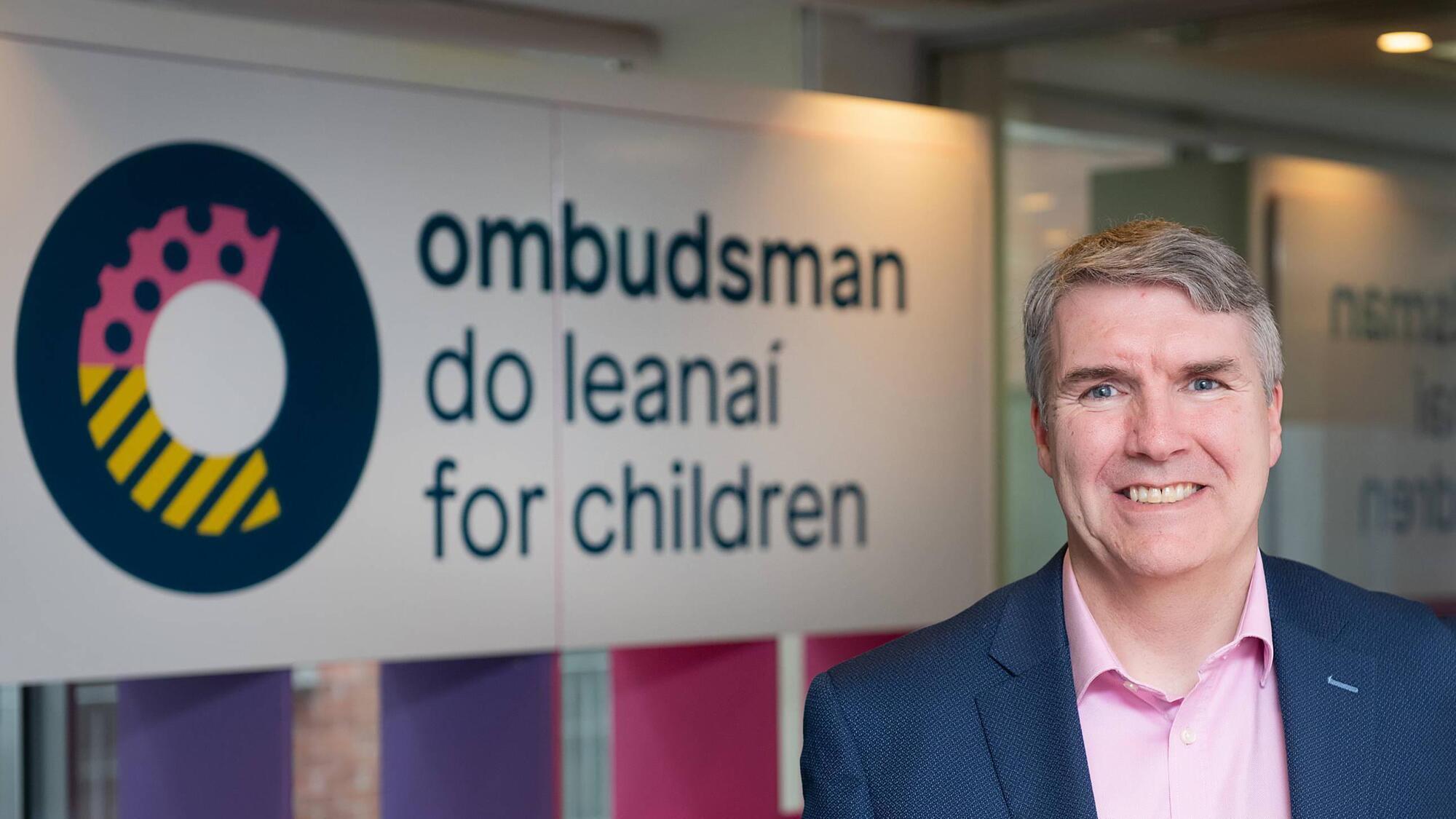
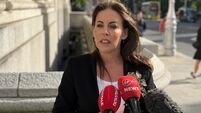
Niall Muldoon believes the education system currently serves the majority of children well. Picture. Michael Dillon
Ireland will have the best education system in the world if it focuses the next 10 years on the students who struggle, according to the children’s rights watchdog.
Ombudsman for Children Niall Muldoon said he believes the education system currently serves the majority of children well.
Irish students achieve well academically, and most will complete post-primary school.
The system now also listens more to the voices of children, both in schools and during wider policy discussions.
However, there now needs to be a focus on the more vulnerable children, Mr Muldoon believes.
“There is a lot of work to be done from my point of view, and I’ve said this to the Department of Education, they need to recognise they are probably doing a very good job for 85 to 90% of children.
"The next 10 years needs to be focused on the other 10 to 15% who have difficulties, who find education is not their forte, and make it available to them in a better way.
Those are the children that are disadvantaged, children who are at risk of dropping out of school early, children with extra or special needs, all those children who find it difficult to see school as the way forward at this moment in time, he said.
“I think if we invested in them for the next 10 years, and change the system and adapt it, I think we will have the best education system in the world. That’s the target, or it should be.
Mr Muldoon was speaking ahead of his keynote address, focusing on 20 years of children's rights, at the Psychological Society of Ireland annual conference this week.
A lot of work remains around special educational needs and inclusive education, he believes, adding that ensuring every child has an appropriate school place locally is crucial.
“We’ve obviously had challenges with children getting places; we spoke about that two years ago, when there were 300 children left without a school place for September in June, and again this summer when there were 125 children without a place.”
There should not be a repeat next year, he added.
“That’s not good enough if we are going to talk about an inclusive education system. You can’t do any education for anybody until you get them in the door.”
“There are changes happening, there’s more staff being brought in, there are promises being made.
"In reality, we need to make sure that no child is left without a place and that they are told that very early in the year."
"The system as it stands is that parents are being told to apply to 15, 20 places and they do it individually. The application form may be 10 pages, they do all the work, they send it off, and then they get 20 rejections of their beautiful, little child to say 'you’re not getting in to our school.'
“People forget that, its not that they didn’t get in, its the feeling of rejection every time a letter comes back and says ‘no, there’s no space for you here’.
“It shouldn’t be happening, particularly at second-level where you had the whole eight years at national school to know there’s a child with a special educational need coming in the door.”

CONNECT WITH US TODAY



Be the first to know the latest news and updates