Disabled women abused by their partners face barriers in accessing supports, new research finds
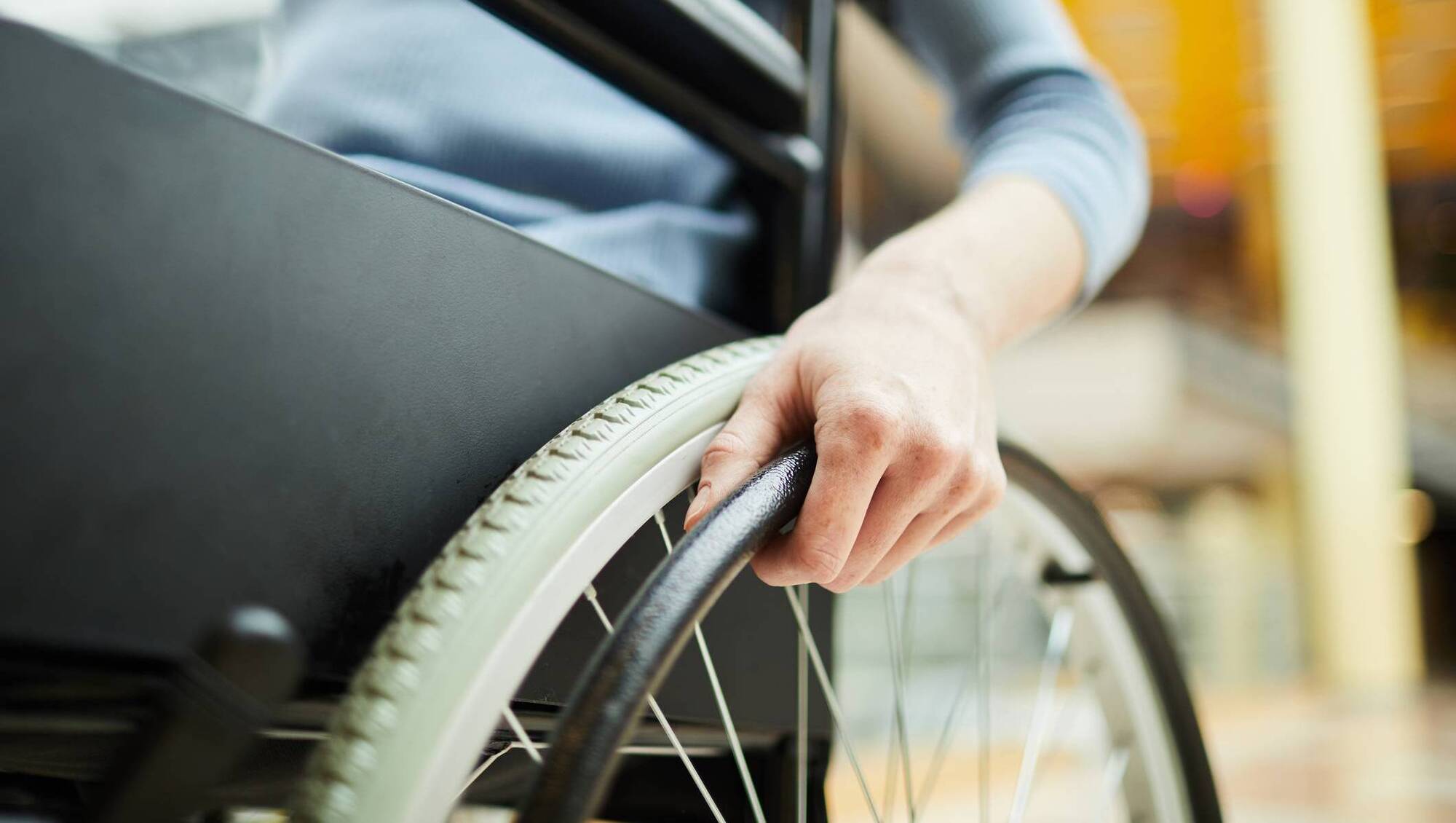
Some 60% of those surveyed said they experienced disability-specific abuse including the lack of support to do everyday activities such as basic mobility support to use the toilet, get dressed or leave the house, and name-calling about disability.
Abusive partners weaponise womenâs disabilities by withholding medication, denying basic care and mobility needs, like using a toilet, and using their impairments to portray the woman as an unfit parent.
Thatâs according to Womenâs Aid, which is launching new research on Thursday on the experiences of disabled women of intimate abuse in Ireland.

It found women with disabilities in abusive relationships can find it much harder to access supports while specialist domestic violence organisations and disability services do not have the resources and are not seen as relevant or useful to disabled victims of such abuse.
âThere are so many structures and systems in Ireland that are making participation in public life, in daily tasks, in education and in all facets of Irish society an uphill struggle for disabled people, and women in particular,â said Dr Aoife Price, a member of the Disabled Gender-Based Violence Taskforce, and a researcher for the project.
This research comes on the back of significant data from the CSO, published last year, finding people with a disability (30%) were more likely to report experiencing sexual violence as an adult than those who did not have a disability (25%).Â
Women's Aid said its new research, launched alongside the taskforce and the School of Social Work and Social Policy at Trinity College Dublin, is aimed at providing a greater understanding of the levels of violence and abuse against disabled women in Ireland.
According to a survey of women with disabilities who experienced abuse, almost all (96%) said their disability made it harder to cope.
The most common form of abuse took the form of emotional abuse (89%) or coercive or controlling behaviours (70%).
A further 60% said they also experienced disability-specific abuse including the lack of support to do everyday activities, such as basic mobility support to use the toilet, get dressed or leave the house, and name-calling about disability.
More than two-thirds (68%) felt professionals were less likely to believe their disclosures of intimate partner abuse because they were disabled.
One woman who responded to the survey said: âI was completely dependent on my partner financially as we were over the threshold for welfare support⊠He controlled where I went and who I saw and if I was to leave I physically had no access to transport apart from a mile to the local bus, no money to pay for tickets and nowhere to go that could provide me immediate support⊠I was totally trapped.âÂ
The report makes 28 recommendations to better support women affected by such abuse. This includes staff training across a range of services, such as the courts, domestic violence services and disability support organisations.
Womenâs Aid chief executive Sarah Benson added: âWe know there is much work to be done and now is the time to accelerate this.âŻDisabled women must be better supported as autonomous adults to understand what constitutes abuse, to know it is not their fault, to know where and how to receive help and to have that help provided in an accessible manner.â