Road safety legislation 'needs to shift the burden to lawbreakers', conference told
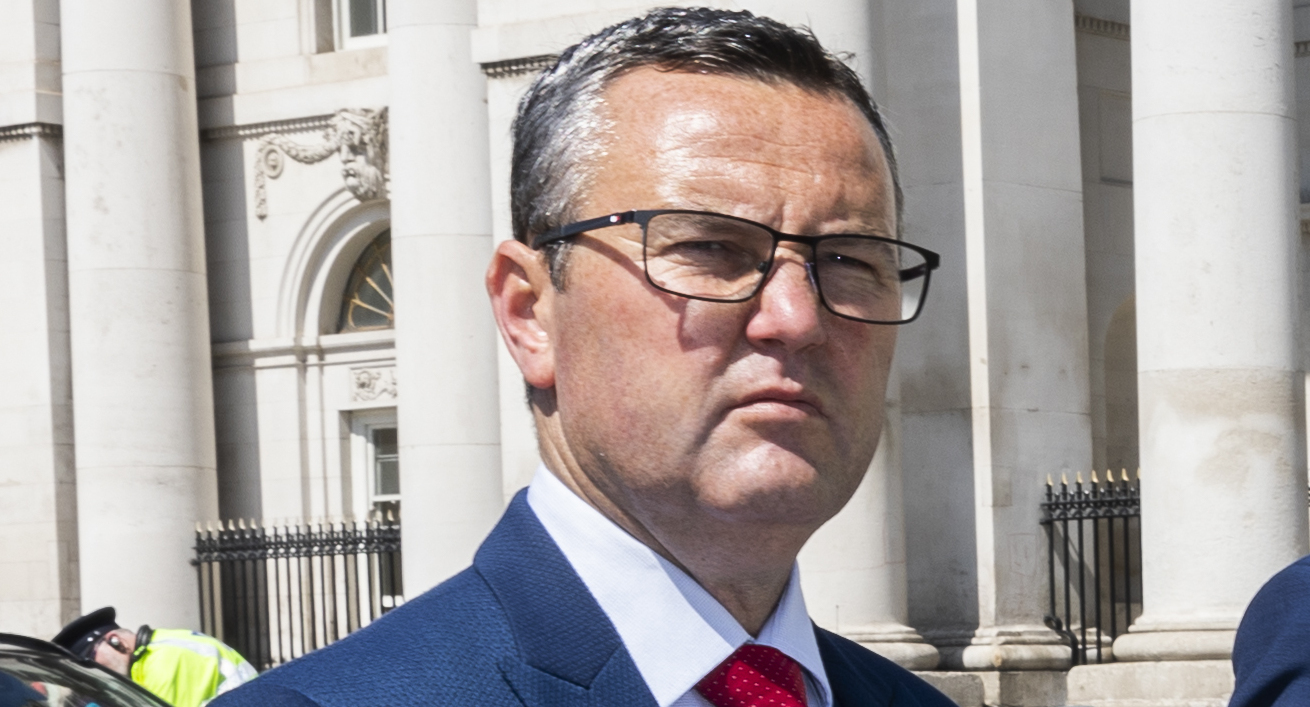
Sam Waide of the Road Safety Authority said that evidence shows that just a small proportion of drivers account for much of the risk on the roads due to poor behaviour such as speeding, drink-driving or using a mobile phone. File photo: Sam Boal /Collins Photos
Road safety legislation must be effective in making sure “lawbreakers feel the burden, rather than the burden of a family who’ve lost a loved one”, the CEO of the Road Safety Authority has said.
Addressing his organisation’s annual conference, Sam Waide said that evidence shows that just a small proportion of drivers account for much of the risk on the roads due to poor behaviour such as speeding, drink-driving or using a mobile phone.
“The bottom line here is that there’s a lot of people breaking the law,” he said. “We need to shift the burden to lawbreakers. That’s a critical part of making our roads safer.”
On Wednesday, the Road Safety Authority held its conference in Dublin Castle with “distracted driving” the key theme for discussion.
As the number of fatalities and serious crashes on Irish roads has risen in recent years, one focus for RSA campaigns has been around distracted driving when on the road. While mobile phones are a key source of distraction in the car, there are other factors that are distracting road users, it heard.
To help combat this kind of driving, An Garda Síochána has recently rolled out a new pilot programme where gardaí drive around in an unmarked truck where they have a clear vantage point to see when other road users are on their phones.
Outlining actions to tackle the issue, Chief Superintendent Jane Humphries told the conference that gardaí are increasing the number of unmarked vehicles on the roads, with the aim of deterring drivers from illegal behaviour. “People do not know if the vehicle beside them is a garda car or not,” she said.
Earlier, University of Galway academic Dr Kiran Sarma had outlined recent focus groups of young people who said they believed that they had little chance of being detected by gardaí using phones while driving.
He said the evidence suggested that the top measures that would deter people from using their phones while driving was more gardaí on the roads, increased penalties and the use of technology for enforcement. This is needed as there is little sense they may get caught, and feel compelled to use the phones anyway.
Chief Superintendent Humphries said gardaí were aiming to ramp up their ability to detect such offences, and added: “We hope when you go back and do your research again, that is not the case.”
Hearing from a range of international speakers, the conference heard of new technology being used in Australia and the Netherlands to detect people on their mobile phones.
In the case of the Netherlands, cameras rolled out by local police on motorway overpasses in recent years have been hailed a success, it heard. In 2023, 34,000 fines were issued to drivers for mobile phone use through the use of these MonoCams.
Also addressing the conference was Ethan Coll, a secondary school student at CBS Mullingar. He and classmates had recently created a viral road safety advert which has garnered over one million views on social media.
“We never expected it to get the reaction it got,” he said. “The message really is if you’re driving around, don’t pick up the phone. It’s never that important.”
CONNECT WITH US TODAY



Be the first to know the latest news and updates