Officers want a 'full-time Minister for Defence', says representative body
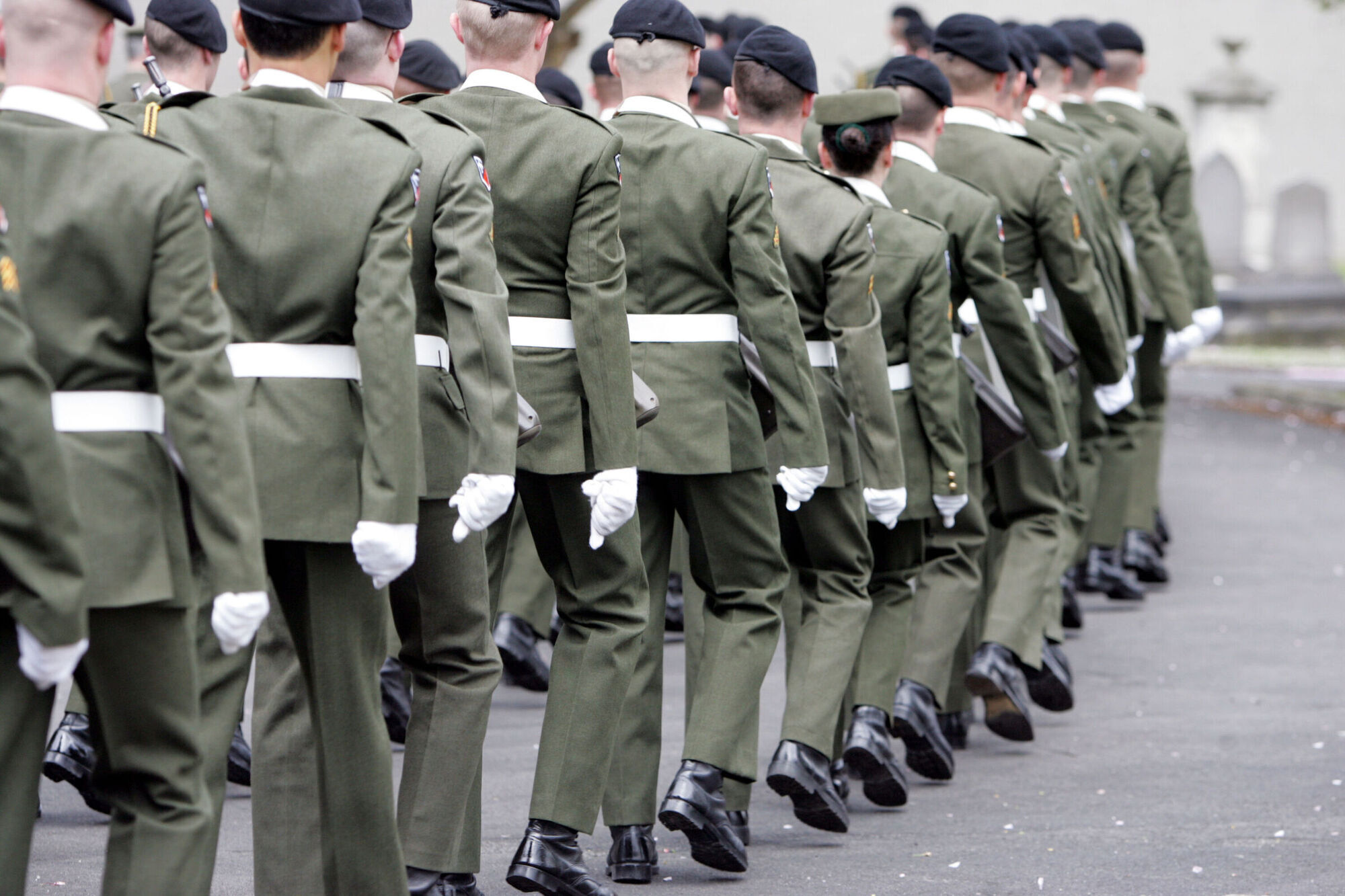
The association is also expected to highlight growing concerns about overseas deployment — not just because of the dangers Irish troops are currently facing on UN duty in South Lebanon as the war between Israel and Hezbollah intensifies. File photo: Leon Farrell/© RollingNews.ie
The majority of units in the Defence Forces are severely short of officers leading to a lack of leadership that significantly increases risk, stress and is damaging to morale, according to the representative body for officers.
This is ultimately driving highly experienced personnel to quit the military, and the issue is expected to dominate the association's annual conference when it gets underway on Wednesday in Tullow, Co Carlow.
The unveiling of the results of a ‘climate survey’ amongst officers will also be high on the agenda. It is understood this survey will reveal that 95% of officers believe there should be a full-time Minister for Defence.
RACO delegates are expected to say that Micheál Martin is too overstretched, juggling the portfolio of Tánaiste and Foreign Affairs in addition to defence.
Officers want a dedicated full-time minister, particularly given the transformation agenda within the Defence Forces, the commitments to significantly enhance investment in the country’s military, increased global security threats and the recent creation of an EU Defence Commissioner.
Two years ago, Raco (Representative Association for Commissioned Officers) called for the shortage of officers to be placed on the ‘Defence Forces Risk Register.’ This year’s conference is expected to hear how the personnel crisis has deteriorated even further.
Raco argues this shortage can be resolved through the long-promised implementation of the Working Time Directive (WTD) across the military, along with the creation of appropriate HR structures.
Mr Martin approved the implementation of the WTD in the Defence Forces last February, but the military remains the only public sector body in the State that does not adequately track the working hours of its members. In addition, personnel are neither compensated with overtime, nor provided with formalised time off in lieu.
The survey is also expected to reveal that more than 80% of officers believe personnel of all ranks should be able to earn overtime for unsociable hours worked. RACO delegates will say one of the main reason experienced personnel are quitting the military is because they are not being paid for the hours worked.
“Nobody would care about working an extra 20 hours per week if they were paid for it, like the gardaí or nurses,” one military source said.
The association is also expected to highlight growing concerns about overseas deployment — not just because of the dangers Irish troops are currently facing on UN duty in South Lebanon as the war between Israel and Hezbollah intensifies.
One motion for debate will highlight how overseas service has become increasingly unattractive, especially for personnel with families, due to the lack of sufficient incentives. RACO is set to call for additional financial support to encourage volunteers for overseas missions and to alleviate the emotional strain on families left behind.
The situation has become so challenging in recent years that mandatory assignments, rather than voluntary deployments, are becoming the norm. The association will say this shift, coupled with deficits in experienced personnel on these missions, has significantly increased the risk to those deployed.
Tánaiste and Minister for Defence Micheál Martin and Defence Forces Chief of Staff Lieutenant General Sean Clancy will address the conference on Thursday.
CONNECT WITH US TODAY



Be the first to know the latest news and updates