Many polling stations 'inaccessible' to voters with disabilities, report finds
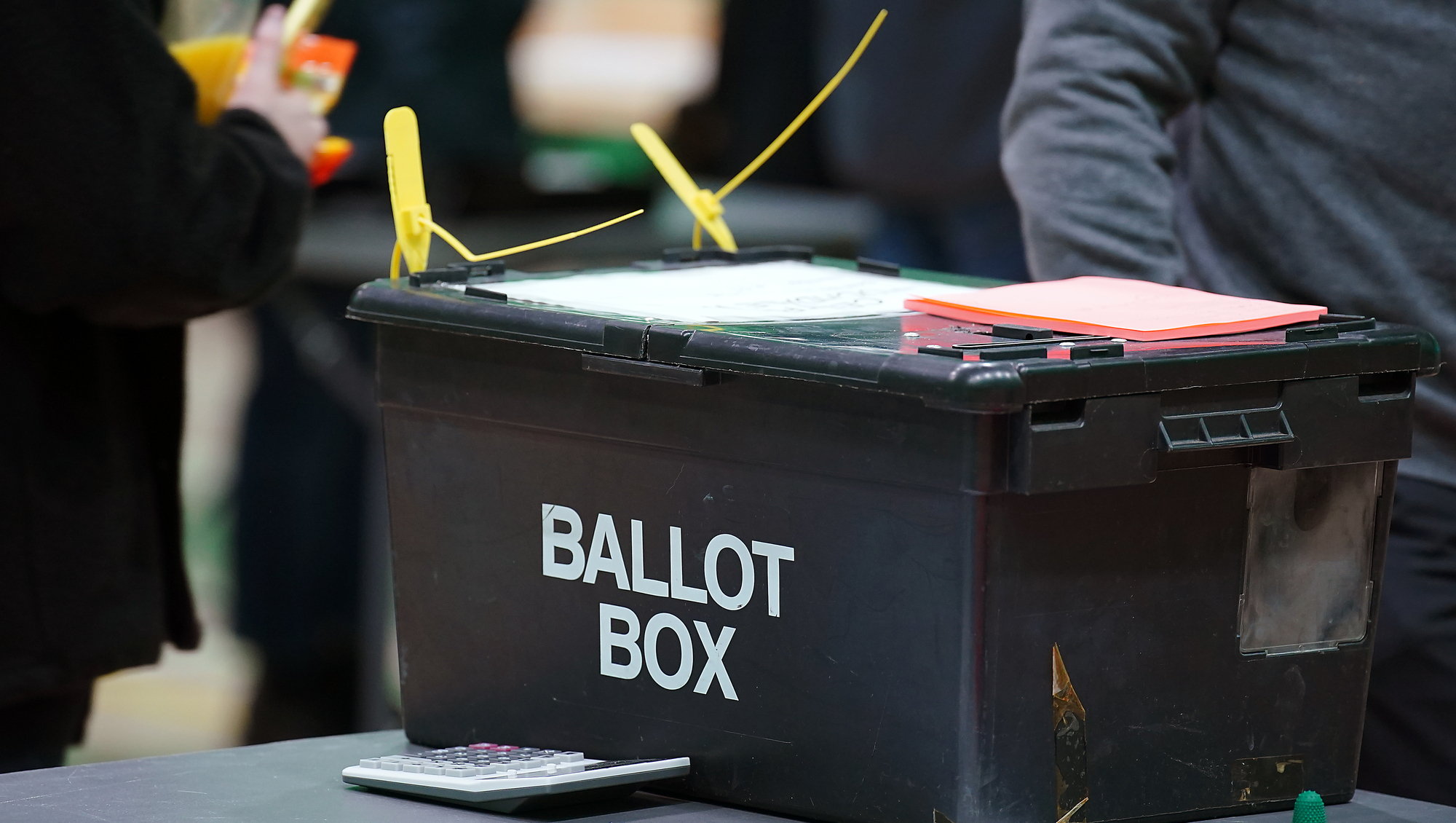
Observer teams found several problems, including poor directional signage on approach routes to polling stations, lack of parking facilities in urban areas, insufficient or no designated parking spaces for electors with disabilities, and hazards at building entrance points.
A large number of polling stations were found to be "inaccessible" for those with a disability during March's family and care referendums.
The Post Electoral Event Review (Peer) new report on the administration of the referendums, the first of its kind in Ireland, was published by the Electoral Commission.
For the referendums, observers visited 98 polling stations across the island on polling day, with additional staff observing count centres in Dublin, Cork, and Laois.
They were aiming to cover the accessibility of voting at polling stations, including directional signage to polling stations, car parking facilities, and removal of hazards outside and inside polling station entrances.
About 30,000 said they had trouble accessing the polling station, finding the area they needed to go to vote, or felt like they did not have sufficient privacy while voting.
Peer observer teams found several problems, including poor directional signage on approach routes to polling stations, lack of parking facilities in urban areas, insufficient or no designated parking spaces for electors with disabilities, and hazards at building entrance points.
Laws surrounding elections require the returning officers to provide, where practicable, polling stations which are accessible to wheelchair users.
But Peer said its observations were "hugely disappointing as about a quarter of polling stations visited were considered to have entrances not easily accessible for wheelchair users".
Of the 98 observers visited, 29 of them had already been categorised as inaccessible by returning officers in previous electoral events — 22 of those 29 stations are located in Munster.
Observers for Peer cited various reasons for considering an entrance not to be easily accessible, including the presence of obstacles and obstructions, the absence of accessibility infrastructure and the limited dimensions of the entrance space.
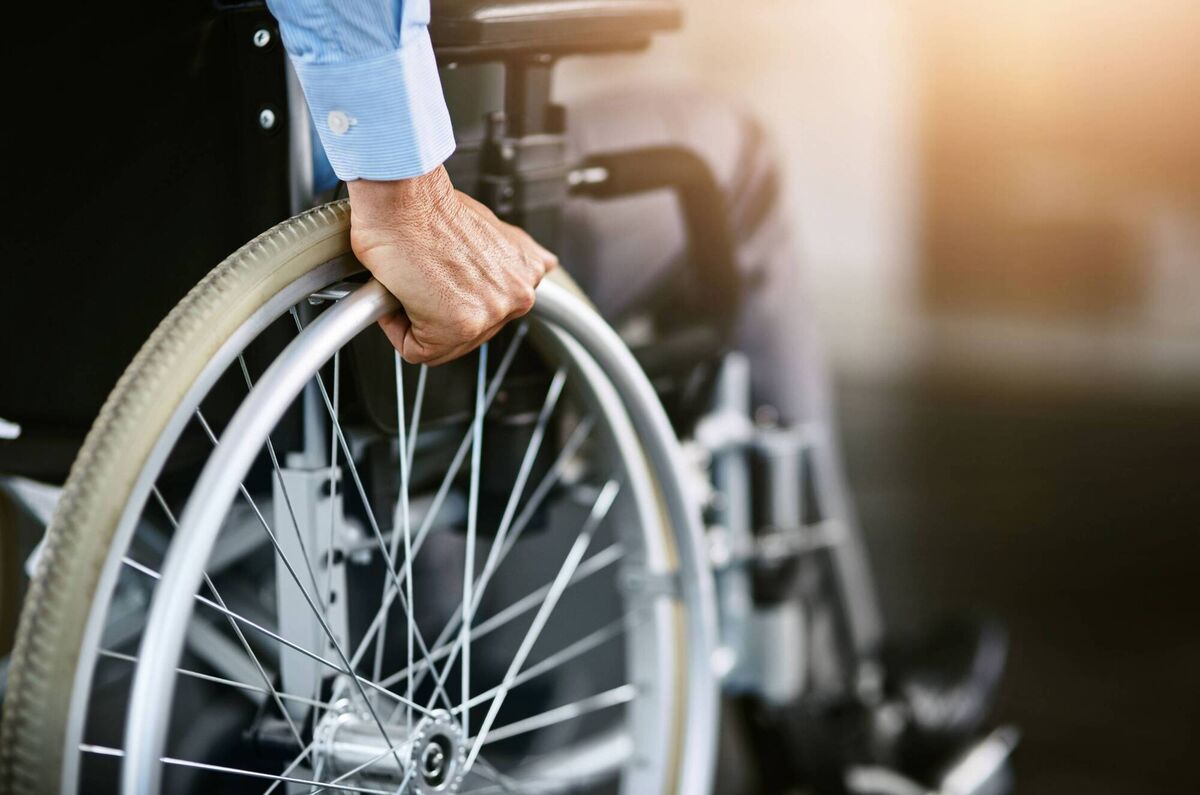
The absence of low-level voting compartments and low-level ballot boxes was noted.
One-third of polling stations visited had external conditions that represented a hazard to electors, while at several polling stations, about 18% of those visited, obstacles represented a hazard to electors.
Fifteen per cent of all polling stations visited were noted as having a step or several steps at the entrance.
To improve accessibility, presiding officers often provide wheelchair ramps, however Peer observer teams reported the quality of wheelchair ramps was variable.
In one instance, staff at the polling station were unable to erect the wheelchair ramp.
The entrance doors to polling stations raised additional accessibility issues.
Peer observer teams identified issues with doors at more than one in 10 polling stations.
Obstacles were observed in a number of instances. At one polling station, gym equipment was present, posing a hazard to electors, particularly those with a visual impairment.
At another polling station, a chair was used to prop the door open, partially blocking the entrance.
In another polling station, a flowerpot blocked the entrance.
Obstacles were also observed at emergency exits. At one polling station, an emergency exit was obstructed by a voting compartment.
Overall, about 15% of polling stations were considered to have unsatisfactory emergency exits.
CONNECT WITH US TODAY



Be the first to know the latest news and updates