'Our aim is to make sure his legacy lives on': Mandela and me and keeping his memory alive
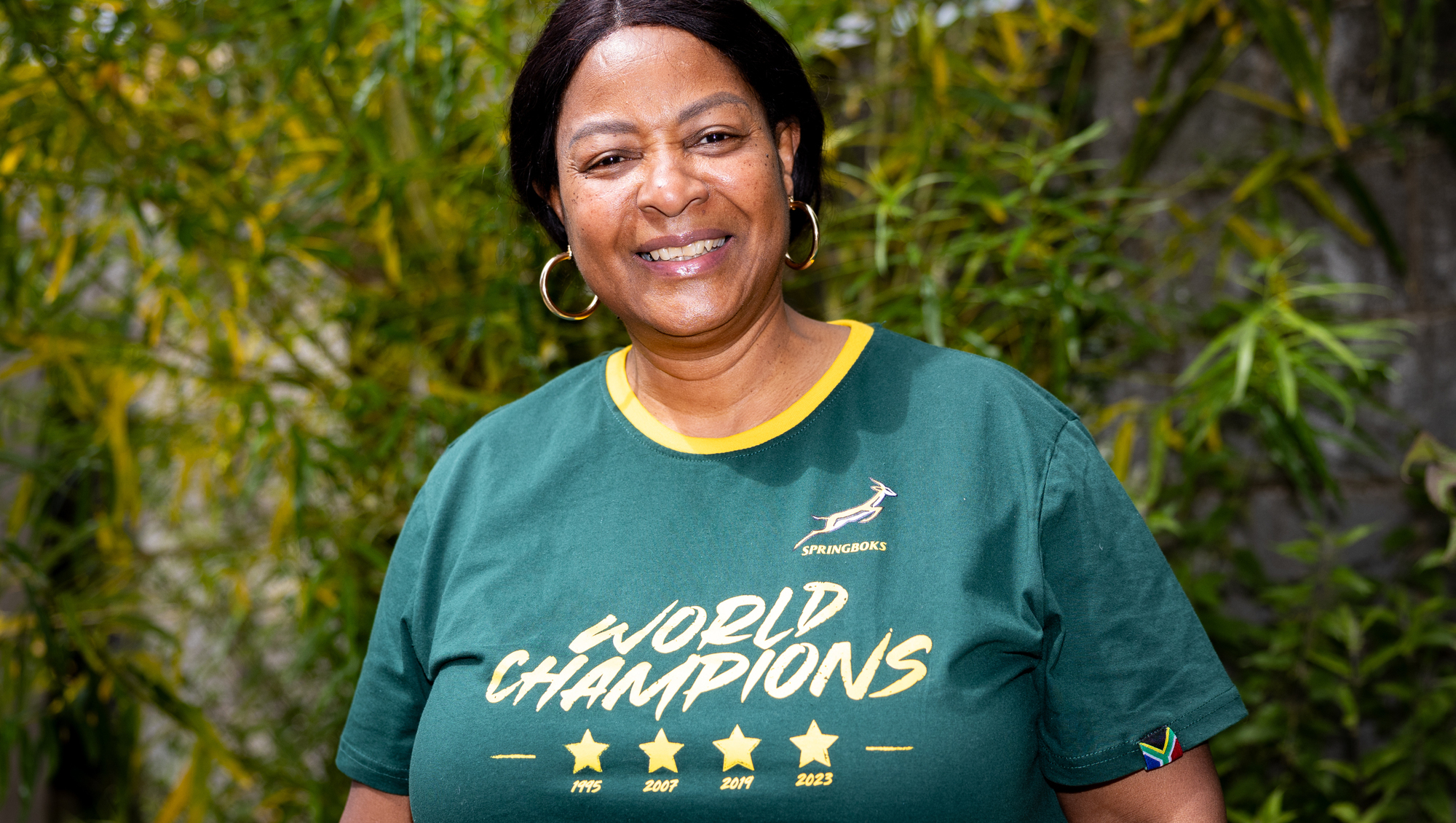
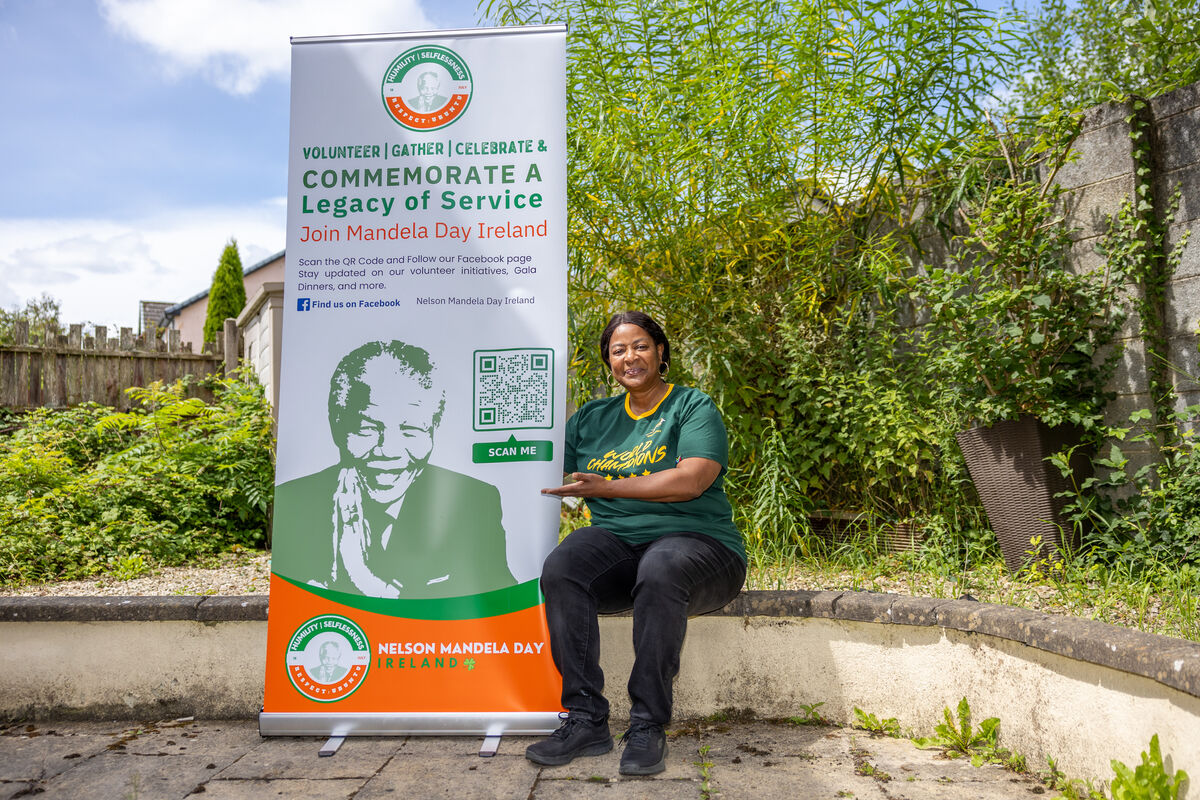
Precious Jenga, who grew up during apartheid in South Africa. Now, living in Limerick, she organises the annual Nelson Mandela Day lunch in Cork ever year to mark his birthday. Pictures: Kieran Ryan-Benson.
At a time when other children were running to their mothers with scraped knees, Precious Jenga recalls keeping secret the fact she was tear-gassed and shot at.
“It was the order of the day at the time,” says the apartheid survivor who has been in living in Ireland for the past 21 years.
Such was her anger at just nine years old, the Limerick-based speech therapist once found herself hurling stones at apartheid police. They retaliated with brutal violence. She was tear-gassed, and to this day suffers from ongoing medical issues resulting from the tear gas inhalation.
It is therefore no surprise that Precious heaps praise on the man who liberated her from what might have been a very different life.
As a committee member with Nelson Mandela Day Ireland, she organises an event every year to mark Nelson Mandela Day as her way of giving back. This year’s dinner, which takes place on Saturday, July 20, — the weekend after Mandela’s birthday — will see people come together at the Cork Airport International Hotel to celebrate the legend.
A secretary of African National Congress Ireland, Precious was rebellious from an early age. Her parents had little political affiliation. On the contrary, they were terrified of as much as uttering Mandela’s name. Doing so during that time had the potential to land one in prison without a trial or any questions asked.
That sense of victory which followed the end of apartheid culture in 1994 is still palpable more than 30 years later. Dr Jenga had been among thousands of black people in South Africa suffering at the hands of a political system that promoted racial discrimination against non-whites at all costs.
Apartheid, which translates as “apartness or the state of being apart”, took the form of white minority rule.
In the years leading up to Mandela’s release from prison in 1994, the apartheid activist offered a beacon of hope to those desperate for change. His appointment as the first black president of South Africa cemented the downfall of apartheid architects. It was an emotional time for Precious, who described the detrimental impact the regime had on her childhood.
Referring to the riots in her home city of Johannesburg she said: “I saw the anger in people, particularly the older people so I joined in. At this point, I was nine years old. We were all outside in the thick of things. That included many of the children. Nobody stayed behind. Everyone was united in their anger.
"We were throwing stones at the police. They retaliated and shot at us. There were many incidents where I was tear-gassed and shot at but nothing too serious. On that occasion, somebody brought us into their home and hid us from the police. They saved us. I still suffer from breathing problems today. I didn't manage to get this treated in time but I’m able to live with it.”
Precious knew she had to stay alert at all times.
"Police were everywhere at any time. They were in private vans and cars so you didn’t really see them. The only time you knew they were there was when they tried to shoot or arrest somebody so we were always on the lookout.
"If they had information about you they would find you. So a lot of people and a lot of our age group were in hiding. That’s why we never really stayed in one place. Our parents never knew where we were because we never stayed in the same place for a long time. Moving around was the only way to evade detection.”
Going about everyday tasks was an uphill battle for Precious and her family, particularly when it came to shopping.
“We were only allowed to enter through the back of the shop. The important thing was to know what you want when you came in because you had to be in and out in a hurry. They wanted our money but they didn’t want us.”
Similar rules applied to medical care.
Travelling hours for a GP appointment was not unusual for black families in the area.
“My grandmother drove me three hours to a town called Belfast in South Africa because I was very sick with tonsilitis. Luckily, the doctor was a good man and he removed the tonsils. I was never sick after that.”
Their struggles did little to tarnish Precious’s indelible spirit. In high school, the bright student made her mark with the United Democratic movement — which aimed to bring about an end to segregation and systematic racism.
“Because the ANC [African National Congress] was banned, I was galvanising within the students' union. It was a brave thing to do at the time. It was also very dangerous.
“The umbrella body of the students union I was involved with was called the Congress of South African Students.”
She acknowledged her guardian angel from that period.
"She told us when the police were going to raid students and kept us safe at all times. She told us where to stay away from and how to stay safe.
"By doing so she saved us because there is no other way we would have known. The nuns were very good to us. We prayed to the lord all the time. Spiritually, we were covered but physically it was a different story. As soon as you went outside you realised that anything could happen.”
Precious said her family had no idea about her involvement in the movement.
“We couldn’t ask questions at home because even speaking about these topics put the whole family in danger. The only time I asked questions was in small groups with other students. We met at night to talk about these things and received messages from the elders who informed us what the next move was going to be or when a March was happening. It was all very hush, hush but we knew what the leaders meant.”
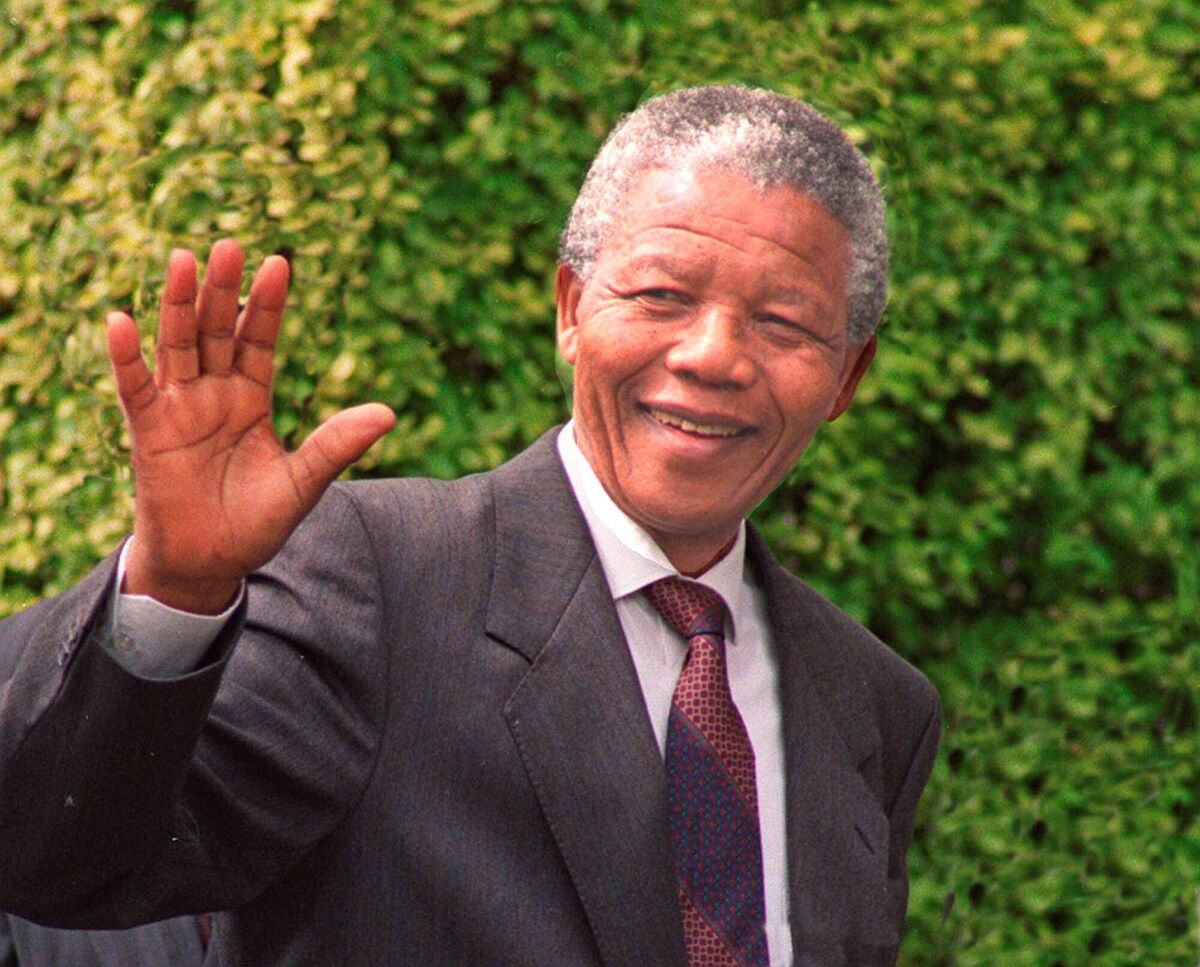
She described how the government were determined to erase any proof of Mandela’s existence.
“All the books about Mandela were banned. Anything to do with him at all was banned in the country. People working underground were coming out with messages about what was happening. Mandela was a beacon of light because he was so invisible, yet we knew everything about him.
"All our focus was on making sure that we saw this man being released from prison. It was known that he had been there a long time but we never actually saw his face.”
Mandela’s release on February 11, 1990, is a date Precious and her friends will never forget.
“A group of us went to a friend’s house to watch it. It was televised for that whole day. We were so moved. Now, we could finally see this ghost people knew little about and weren’t allowed to talk about. We wanted to be in Cape Town to celebrate so much but it was not possible. He was released without any bloodshed and we really appreciate that.”
Precious was lucky enough to meet with Mandela and congratulate him in person.
“We had the chance to meet him at his house after his release. I was part of a whole group of young people he spoke to. His message was very clear. He wanted to make sure we all went back to school and got an education no matter what happened.”
The now 56-year-old did just that after enrolling in a speech therapy course.
“I was one of two black people at my university. By the time we qualified I was the only one left. Not many black people were accepted into these colleges but I was lucky enough to receive a scholarship. These always came from outside of the country and mine was organised by the late Archbishop Desmond Tutu. This allowed me to complete my education.”
She recalled having only one friend in her class, who now also lives in Ireland. The pair remain in regular contact.
“Rob was my only friend. He was the only male in our class of 25 females so the two of us were the odd ones out. I was the black one and he was the only male. Both of us had that connection. We’ve been friends ever since.”
Precious found it difficult to relate to her classmates, whose lives were privileged in contrast to her own.
“The girls came from very rich Jewish families. They did not speak to me and kept to themselves. We were never friends or anything. I did what I could to get out of the place and they did the same.
"They were not conscious at all about what was going on. They didn't want to hear about the struggles of black people in the country. I suppose they were privileged so never felt the need to think of other people.”
The trailblazer has always done her best to maintain a positive outlook.
“I can appreciate the fact that apartheid made us stronger. I had to work for everything I have so I don’t take anything for granted. It’s also nice to come from a very hostile environment to a very calm one because it makes you a calm person.”
Precious has pledged to keep Mandela’s memory alive for as long as she can.
“When we met Mandela we wanted to know more about him and what he stood for. We want to ensure that everyone knows about the legend he was. Our aim is to make sure that his legacy lives on.”
Tickets for the Nelson Mandela Day Ireland Gala dinner visit are available here.
CONNECT WITH US TODAY



Be the first to know the latest news and updates