Exposure to air pollution increases risk of depression and anxiety in older people, study finds
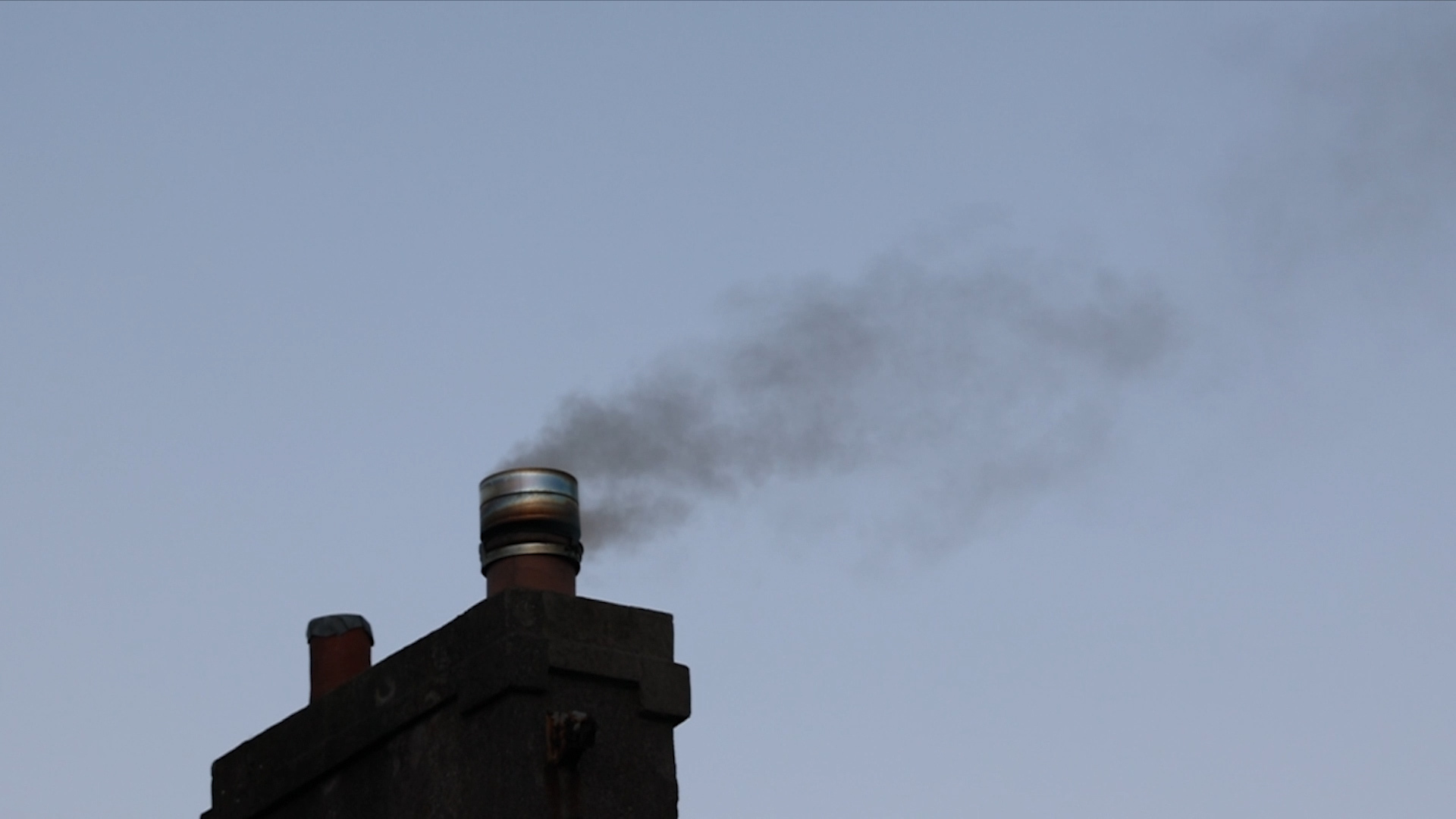
Study examined one of the most damaging forms of air pollution, which is fine particulate matter and referred to as PM2.5, which is mainly caused by the burning of solid fuels such as coal, peat and wood for heating. Picture: Clare Keogh
Long-term exposure to air pollution increases the risk of poor mental health in older people, new research has suggested.
The study from the Economic and Social Research Institute (ESRI) found higher than average levels of a particular kind of air pollution was significantly associated with higher levels of depression and anxiety.
While there was no link between other indicators of mental health such as stress, worry and overall quality of life, the ESRI said different dimensions of mental health may be influenced by the length of exposure or the significant type of pollutant.
“The study results add to the body of evidence that suggests that the health-damaging effects of air pollution can operate at low levels of exposure,” said the ESRI’s Professor Anne Nolan, one of the co-authors of the report.
“In Ireland, the recent Clean Air Strategy commits to the achievement of the WHO air quality guidelines by 2040. Hitting this target will require substantial measures to decarbonise home heating, alongside measures to reduce pollution from industry, transport and agriculture.”
The study examined one of the most damaging forms of air pollution, which is fine particulate matter and referred to as PM2.5. Here, it is mainly caused by the burning of solid fuels such as coal, peat and wood for heating.
It then used data on the annual level of PM2.5 over a 17-year period, covering 1998 to 2014, linked to data from the Irish Longitudinal Study on Ageing, to examine the air pollutants’ impact on mental health.

Over this time period, it was found the average annual PM2.5 levels in Ireland were low by international standards. The same levels in countries such as Poland and Bulgaria were over three times than those found in Ireland.
However, Ireland’s levels were nevertheless above the current guideline levels from the World Health Organization.
Through statistical modelling, higher annual average PM2.5 levels were significantly associated with higher depression and anxiety.
The study was funded by the Environmental Protection Agency, and its director of its office of evidence and assessment Dr Eimear Cotter said: “Our health and wellbeing are intrinsically linked to the quality of our environment.
“This research provides further evidence of that long-term exposure to air pollution, even at low levels, is damaging to health. The findings reinforce the need for policy measures to encourage the transition away from solid fuels towards alternative, less harmful forms of home heating.”
Air pollution is linked to seven million premature deaths globally, 400,000 in the EU, and more than 1,300 in Ireland every year due to factors such as NO2 and particulate matter.
Earlier this year, people in Cork City were encouraged to take part in Clean Air Night with citizens urged not to burn solid fuel or to delay the lighting of their domestic fires until later in the evening.
“By making small changes, we all can help work towards improving air quality,” the council said.