Rodents and rotting food found at Ukrainian refugee accommodation centres
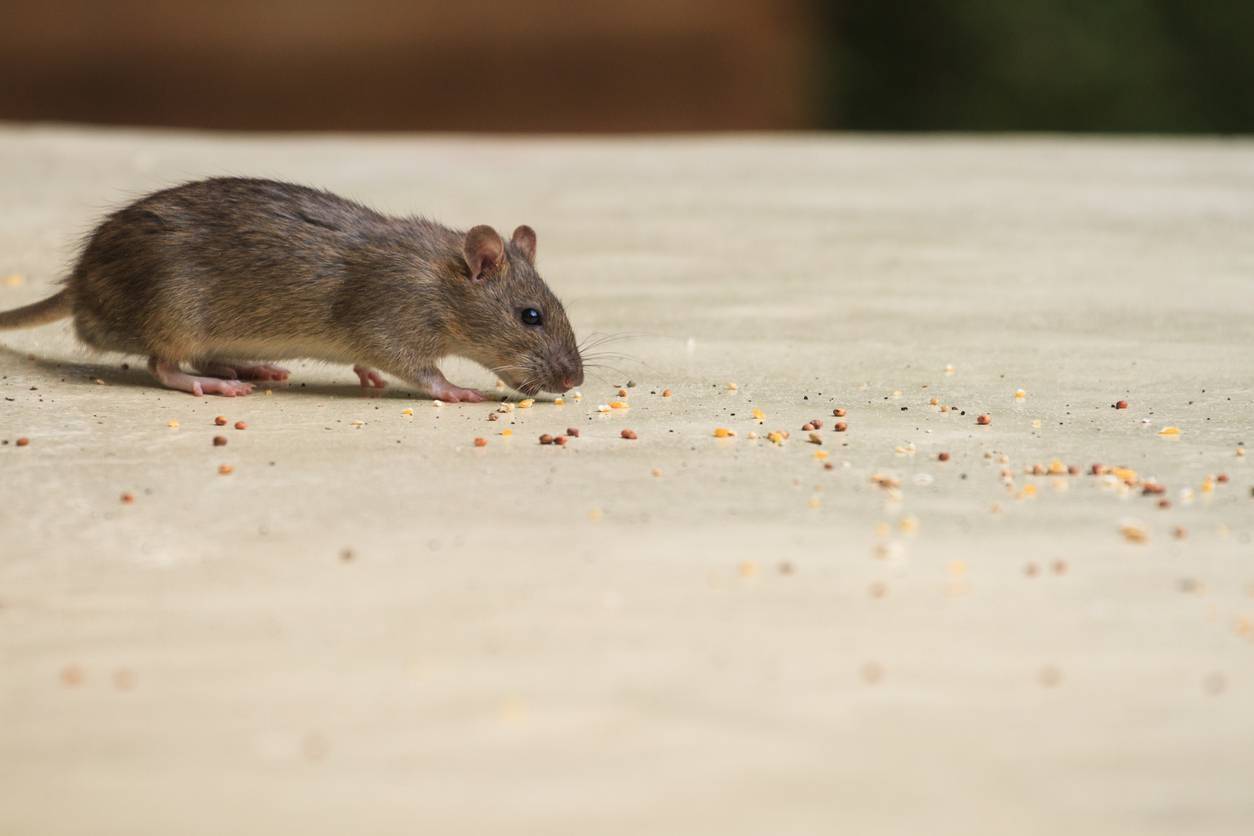
Rats or mice were reported in six accommodation centres for Ukrainian refugees, according to the Room to Improve report published by Doras on Tuesday. 

Rats or mice were reported in six accommodation centres for Ukrainian refugees, according to the Room to Improve report published by Doras on Tuesday. 

Worms and maggots were found in food served in a centre offering accommodation to Ukrainian refugees, while rats or mice were reported in six accommodation centres, according to a new report being launched on Tuesday. 

The Room to Improve report published by Doras also says that one in six surveyed Ukrainians had concerns about child protection in centres opened for their fellow citizens under the Beneficiaries of Temporary Protection scheme. It said a lack of transport links was reported in 43 accommodation centres by residents, with several respondents “feeling a sense of isolation and finding it hard to get work and integrate as a result”.

174 respondents said they had concerns about the safety of children in their accommodation centres while 350 people said there were no spaces for their children to play or study.

On foot of its findings, Doras has called on the Department of Children, Equality, Disability, Integration and Youth to urgently implement “mandatory compliance with the Children First Act 2015 to safeguard children”.

The organisation also wants mandatory Garda vetting for all staff working in accommodation centres, and compulsory training for them on trauma-informed practice and intercultural awareness.

Since the war in Ukraine began, 106,500 people have been granted temporary protection in Ireland, of whom 47,456 were in State accommodation as of May 7.

Since March 14, newly arriving beneficiaries of temporary protection are being provided with accommodation in Designated Accommodation Centres for a maximum of 90 days, after which they must source their own accommodation. The Doras survey, to which almost 1,000 people responded, was conducted between January 29 and April 1.

One of the respondents wrote: “There are 80 people in one hall all together, women, children and men. The showers are very dirty and in a terrible condition. 

The centre is like a prison, only we could not understand what we did to get into such a horror.

The majority of people who answered the survey were accommodated in counties Clare, Cork, Dublin, Limerick and Kerry. The majority of the properties in which the surveyed people lived were hotels, according to the report.

Chief executive of Doras, John Lannon, said: “We have been working on the ground with people living in Direct Provision for the past 20 years, so we have seen how institutionalised living can negatively affect the mental and physical health of adults and children.

“Our new research on the experiences of Ukrainians living in State-provided accommodation paints a worrying, but not surprising, picture. While a significant portion of those surveyed were very happy with their living conditions, we can see from the findings that the quality of service provision varies greatly from centre to centre.” 

He said people reported finding worms and maggots in food, being served undercooked food, and that the food served was inedible for their children and babies.

Mr Lannon said, however, that there was “a lot of gratitude and appreciation from the Ukrainians towards Irish people, volunteers and communities that are supporting them. And that’s why we urgently need national standards to help ensure consistency in the quality of service provided.”

More in this section

Lunchtime News

Newsletter

Get a lunch briefing straight to your inbox at noon daily. Also be the first to know with our occasional Breaking News emails.

Cookie Policy Privacy Policy Brand Safety FAQ Help Contact Us Terms and Conditions

© Examiner Echo Group Limited