'Cocktail of chemicals' in flavoured vapes could lead to new wave of chronic diseases
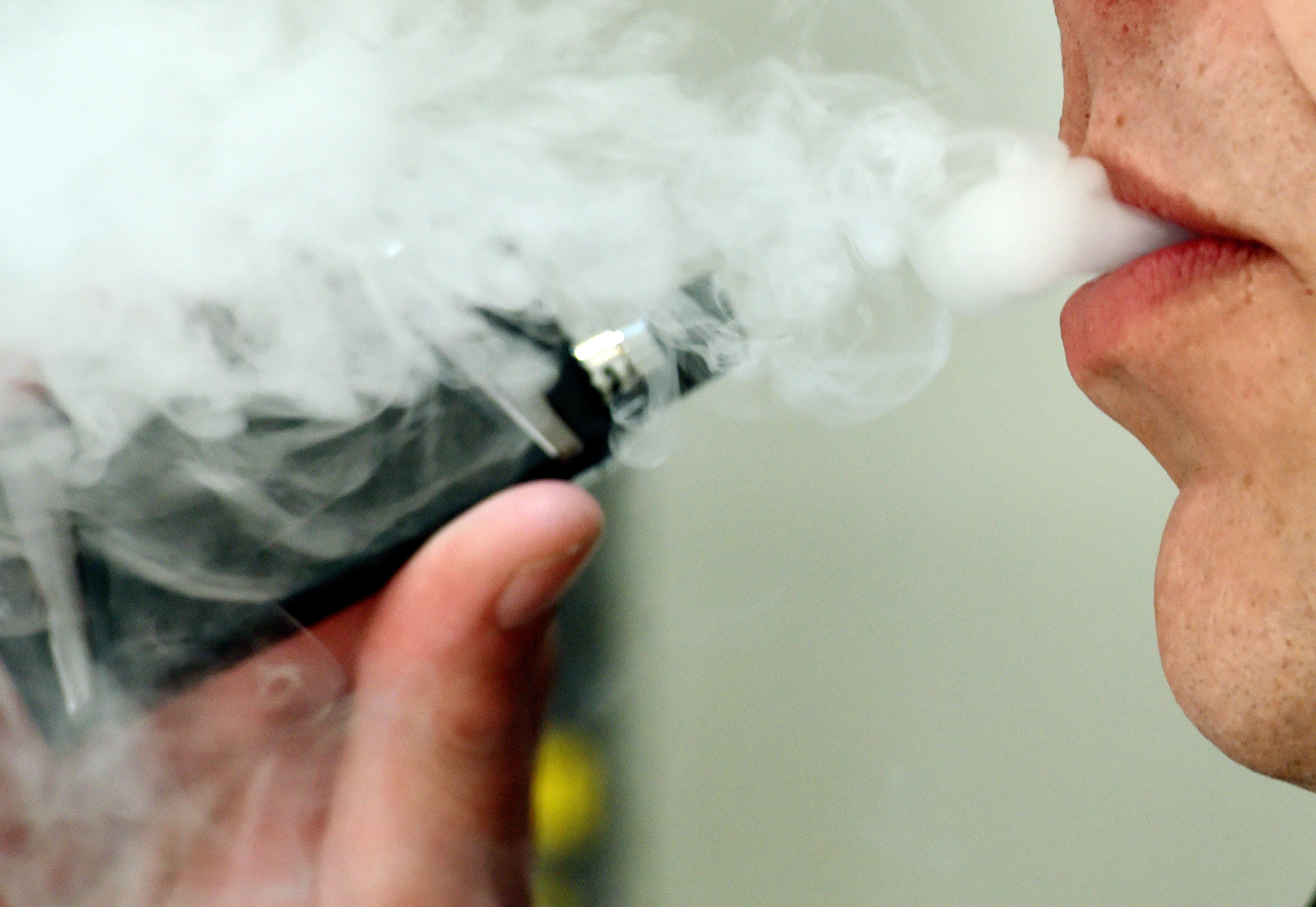
Flavoured vaping products include 180 different chemicals blended in various amounts and although the chemicals are primarily derived from the food industry, they were never intended to be heated to high temperatures and then inhaled.
The "scourge" of vaping is almost certain to lead to cancer and cardiovascular issues where there is long-term exposure, a new Irish study has concluded.
A new wave of chronic diseases could emerge in the next 15 to 20 years as a result of long-term exposure to toxic chemicals found in flavoured vapes, the report warned.
Those who vape will have a significantly higher risk of disease compared to those who do not.
The team at the Royal College of Surgeons Ireland (RCSI) specifically highlighted the dangers emerging from the "cocktail of chemicals" found in the huge array of flavoured vapes that are widely available.
Flavoured vaping products include 180 different chemicals blended in various amounts and although the chemicals are primarily derived from the food industry, they were never intended to be heated to high temperatures and then inhaled.
The research, which used AI to simulate the effects of heating e-liquid flavour chemicals, predicted the new compounds that formed when the substances are heated within a vaping device immediately prior to inhalation.
The analysis recorded the formation of hazardous chemicals including 127 which are classified as Acute Toxic, 153 classed as Health Hazards, and 225 as Irritants.
These chemicals included a group called volatile carbonyls (VCs) which were predicted to be the most popular fruit, candy and dessert-flavoured products.
Lead author, Donal O’Shea, Professor of Chemistry and Head of Department at RCSI has called for flavours currently being sold to be limited to restrict the number of chemicals available in vapes.
"You don't need to be a medical doctor to see the dangers that are here," Prof O'Shea told RTÉ's .
"In any flavoured vape there could be anywhere from half a dozen to 20 different chemicals to make up that commercial flavour."
The study, published in , noted that the potential health risks are somewhat unpredictable given that vaping devices vary widely meaning the temperature control and resulting chemical reaction can differ.
Further research using the same AI framework is required to delve into the variabilities and it is hoped that this could lead to the development of risk reports for individual flavours.
With the growing popularity of flavoured vapes among non-smoking teens and young adults, it is important to understand their long-term effects on health, morbidity and mortality, said Prof O'Shea.
"Our findings indicate a significantly different profile of chemical hazards compared to what we are familiar with from traditional tobacco smoking," Prof O’Shea said.
Using tobacco smoking as the sole comparison for gauging vaping health risks is likely to give a false sense of security, especially for younger non-tobacco smokers, the report stated.
Prof O'Shea also said that there is no evidence to support claims that vaping is an adequate substitute for nicotine addiction. It is not recommended by the HSE. There is a substantial risk of transferring new health issues to younger generations unless comprehensive regulation is introduced, the report revealed.
“It is plausible that we are on the cusp of a new wave of chronic diseases that will emerge 15 to 20 years from now due to these exposures," said Prof O'Shea.
"We hope this research will help people make more informed choices and contribute to the conversation on the potential long-term health risks and the regulation of vaping, which this research suggests should be comprehensive.”
Since vaping is a new and "unprecedented stress" to the human body, it seems prudent to strictly limit the number of chemical entities in e-liquids, the report concluded.

CONNECT WITH US TODAY



Be the first to know the latest news and updates