'The time was coming': Bryan Dobson 'absolutely happy' with decision to retire
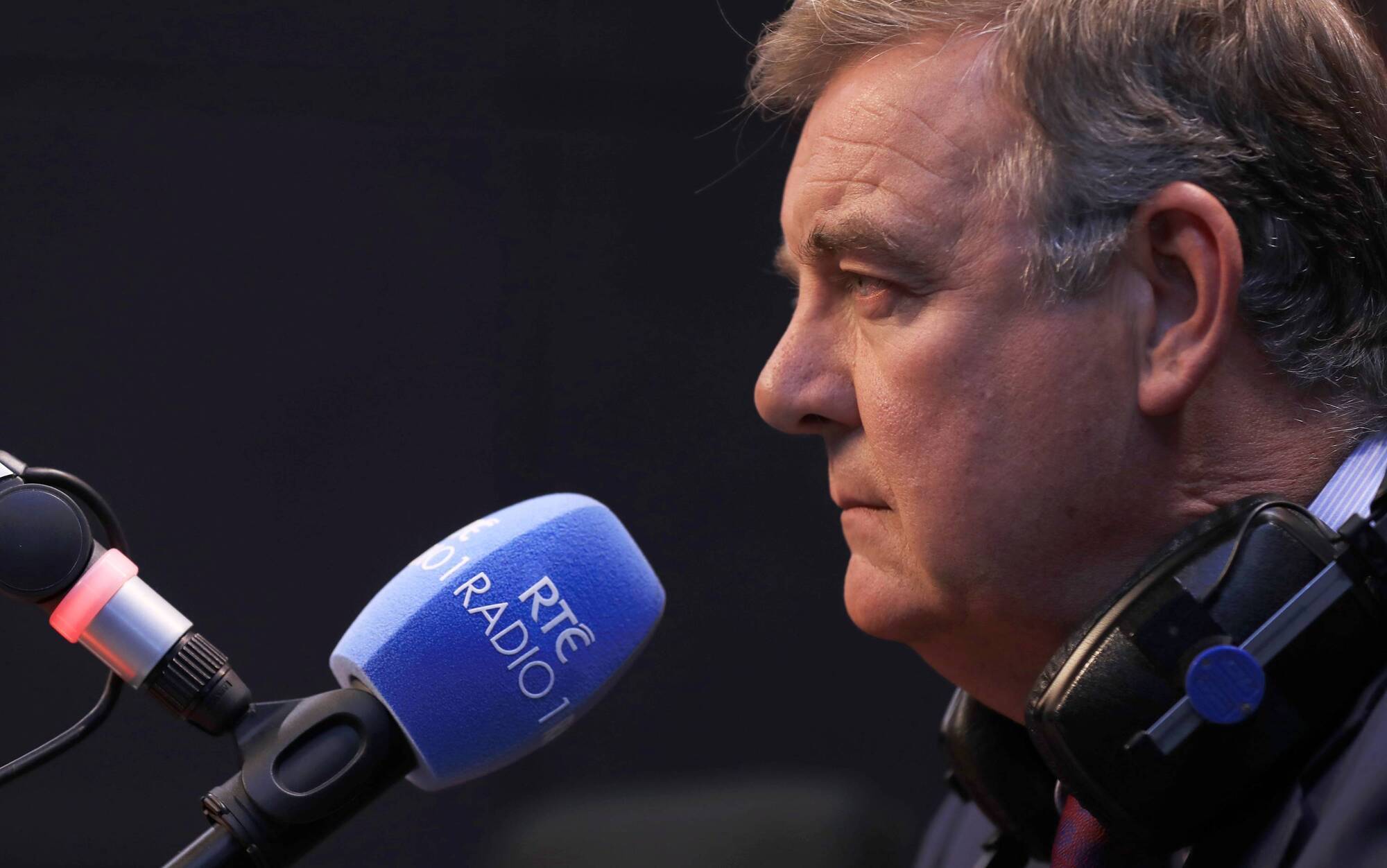
Bryan Dobson: 'I’ve done everything that I could reasonably have hoped to have done in broadcasting and in broadcasting journalism, so there’s no itch left to scratch.' Picture: Donall Farmer
In the three months since veteran journalist Bryan Dobson announced he would be stepping down, he hasn’t once had second thoughts and considered ringing up the bosses at RTÉ to say he had change his mind.
“I’m absolutely happy with the decision,” he said this week. “I didn’t make it quickly. But the time was coming.
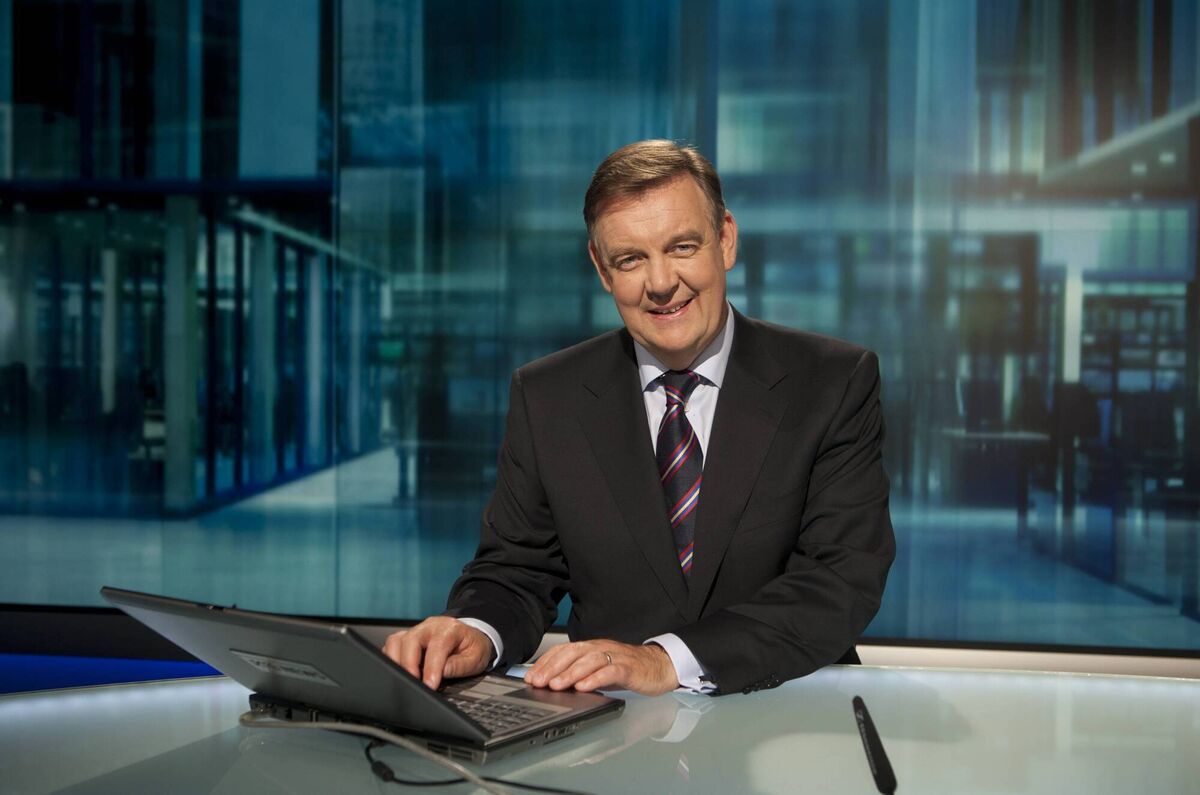
“I’ve done everything that I could reasonably have hoped to have done in broadcasting and in broadcasting journalism, so there’s no itch left to scratch.”
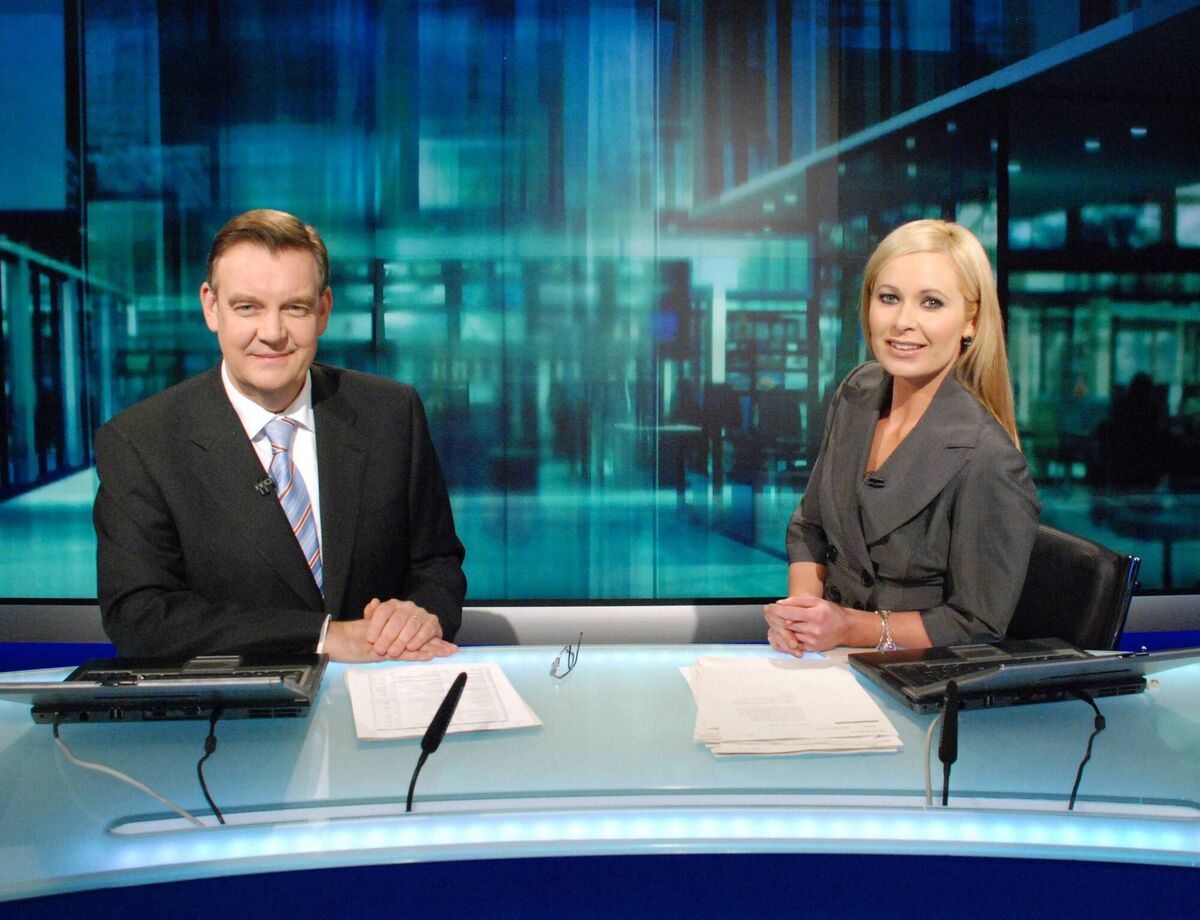
One of the most recognisable voices of Irish media hung up the headphones and the microphone for good on Friday, after hosting the News at One on Radio One for the last time. It brings an end to a career stretching back 37 years to when he first joined RTÉ.
Since then, he has featured in so many notable RTÉ News and current affairs roles, with long stints anchoring the Six One News, Nine O’Clock News on television and on the flagship Radio One show Morning Ireland.
Mr Dobson has also been a mainstay of RTÉ’s coverage of major events such as general elections, the Good Friday Agreement in 1998 and the visit of Britain's Queen Elizabeth to Ireland in 2011.
His presence on the screens and on the airwaves for so long means that generations of people in Ireland have grown up with ‘Dobbo’ delivering the news.
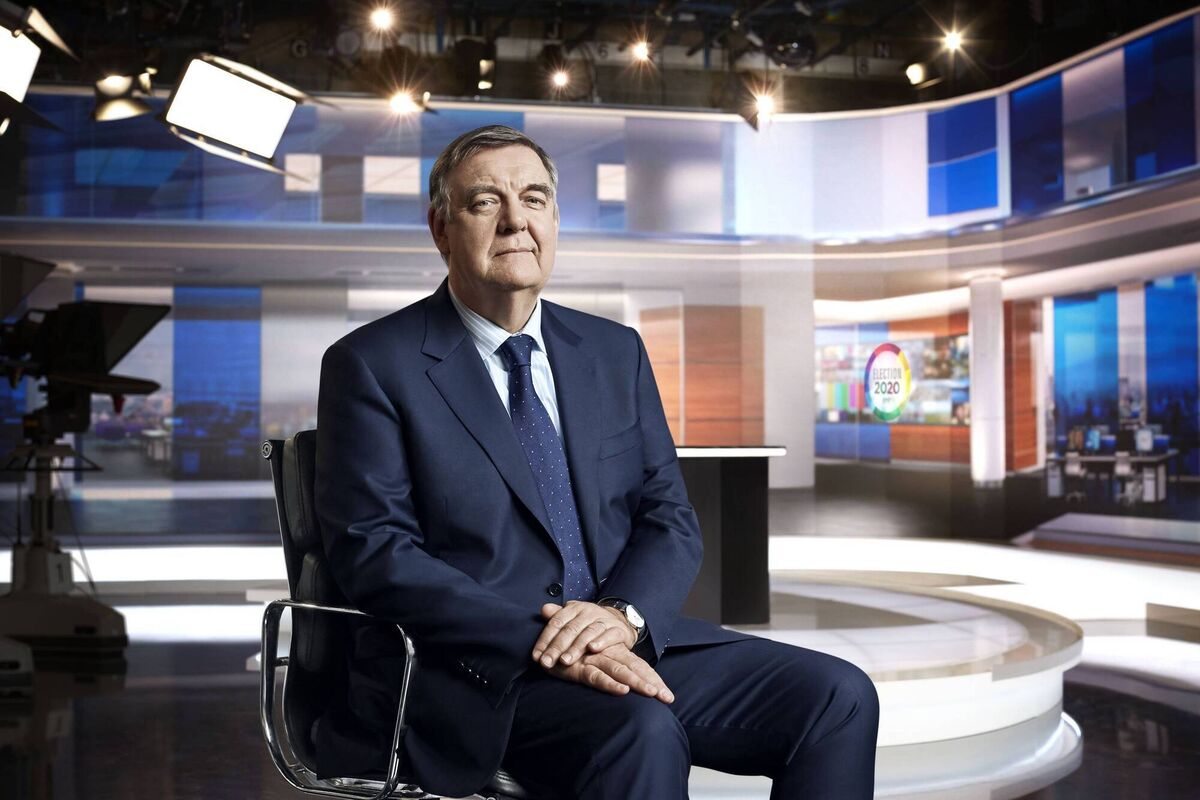
In January, the 64-year-old announced that he would be retiring from the broadcaster saying that the “time has come to move on”.
And, ahead of his last show, he told the that the general election coming in the next year was the only temptation when it came to staying on for another year but he’s already covered “plenty of those”.
“In fact, it occurred to me that I probably started at RTÉ around the time the Taoiseach was born,” Mr Dobson said.
He had his first taste of journalism in an early pilot scheme for transition year at his secondary school in Blackrock.
“We were encouraged to take part in some of these activities, and one of them was making a radio programme, so I did that,” he said.
“I thought 'this is fascinating and this really might be something I’d like to do'.”
Describing it as an “early ambition”, he was always keen on broadcasting and got involved in pirate radio stations in the 1980s when he was a student.
“In fact the guy – Andy Ruane - who used to run Radio Southside which was a very small pirate station emailed me just yesterday and said he had found a box in his archives with my first paycheck,” he said.
“Which I obviously had to go in and cash and he got it back as it had been signed... for £25.
“I was in college so it was a summer job. I’m not even sure it was a lot of money then.”
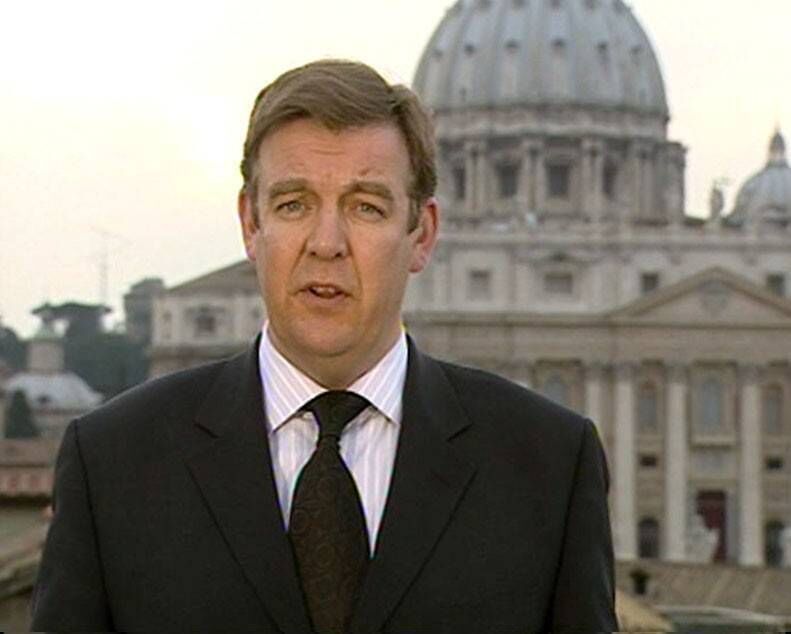
Over the years, he has had the privilege of covering so many significant events at home and abroad and interviewing so many famous faces.
He cites both Bill and Hillary Clinton, the former whom he interviewed twice.
But Mr Dobson also remembers interviewing a hero of his, TK Whitaker, a civil servant and politician who helped to shape Ireland’s industrial policy and “really pulled the country back from the brink” in the 1960s.
He interviewed him when Mr Whitaker was aged 90, still very sharp and “very impressive”.
One of the only mementos from his time covering all these events is a curious one that he got in The White House in Washington DC.
“When I was there, I got a little gift of a Christmas tree decoration. And it’s of a fire engine that apparently is there always on standby to put out a fire in The White House.
"And every year, I hang it on the tree. Every year I remember it, it comes out of the box.”
Day-in, day-out, Mr Dobson has interviewed Government ministers and senior politicians.
Even after all this time, he said he still relishes the challenge when he was given just a short timeframe to try and extricate information from a minister, who may have been prepared to within an inch of their life by their plethora of advisors.
“I never take it for granted, or assume I can wing it,” he said.
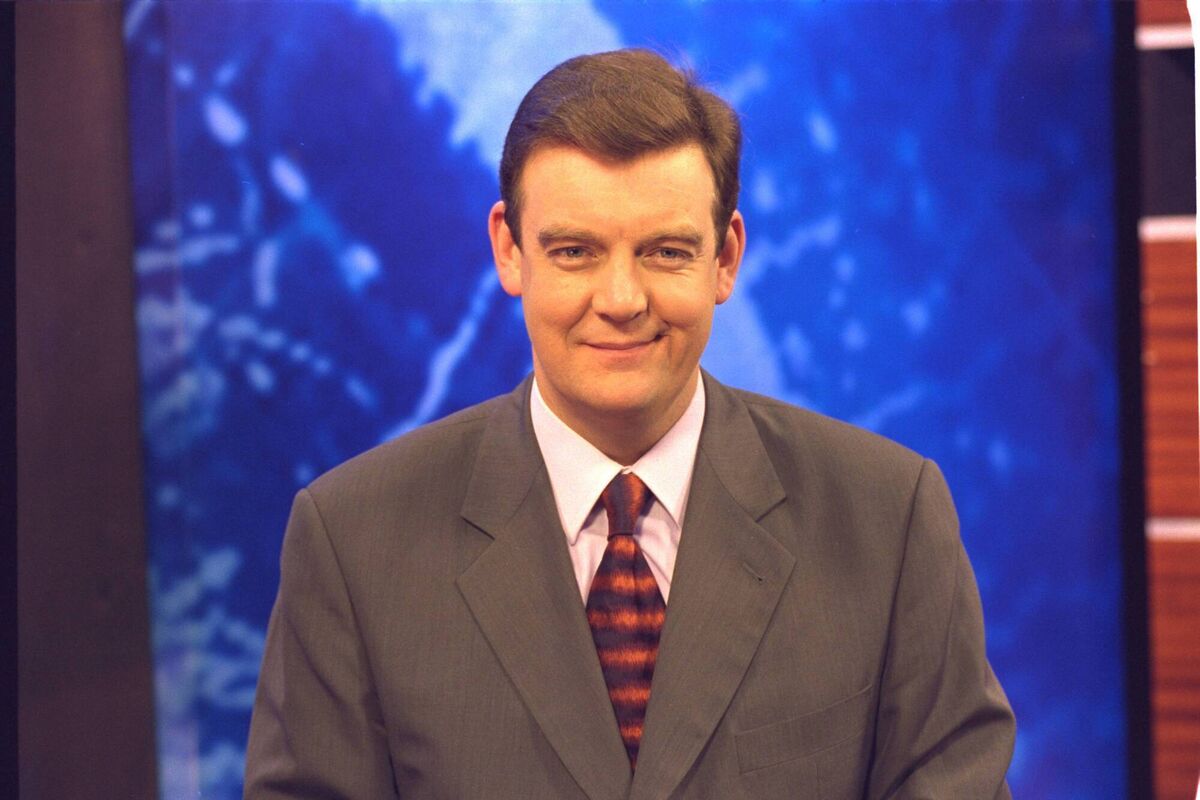
“But it’s the power of the question. And the key is just asking the right questions. We never have a lot of time, so you have to hone in. And it’s never easy.”
When he announced his retirement, a slew of current and former colleagues all paid tribute to Mr Dobson for how strongly he supported them as young journalists and offered his guidance.
“I think that’s one of the strengths of RTÉ,” he said. “There’s that recognition that you’ve got to pass on the ethos of the organisation through each generation. I’m not aware of it as being something I’m conscious of doing.
“I do kind of feel like I was a custodian for a time because of the tradition that had been handed to me from people because there were people here when I started who were here from the very early days of RTÉ."
He leaves at a time of crisis for the national broadcaster, which faces into a funding black hole and uncertainty about how it will be resourced into the future.
“It’s absolutely vital,” the broadcaster said. “Public service broadcasting needs to be put on a certain financial footing. It has to be paid for.
“If the funding issue isn’t resolved, it seems to me that it would be a sort of death by a thousand cuts. I don’t think it’s going to disappear. But it will be further retrenchment, contraction, shrinkage and less money to spend on programme making. It would become a kind of spiral downwards.”
While he believes such journalism is also under threat from the likes of AI and misinformation online, it is the “ebb and flow of good, reliable information, and debate and discussion” that we will continue to need and a free media is at the heart of that.
In terms of what’s next, Mr Dobson has said that publishers have been in contact to get him to write a book but he’s not made any commitments in that regard.
The next few months are about taking a step back after so long in front of the camera and the microphone.
“I made the decision to go early and I set the date myself,” he said. “It’s very empowering. It literally gives you control over what is a pretty big moment in my life anyway.”
And what will he do for the next general election when he’s been in the front and centre, staring down the camera to tell the nation the results for so long?
“I’m not going to stop being interested in news or current affairs,” he said. “I don’t think you just switch off your brain like that. I’ll be watching. But it’ll be great. I’ll be on the sofa, I’ll have the TV on and I’ll have a few cans and then I’ll be watching every twist and turn of it.”

CONNECT WITH US TODAY



Be the first to know the latest news and updates