State creates role to ensure its agencies co-operate to prevent harm in the community
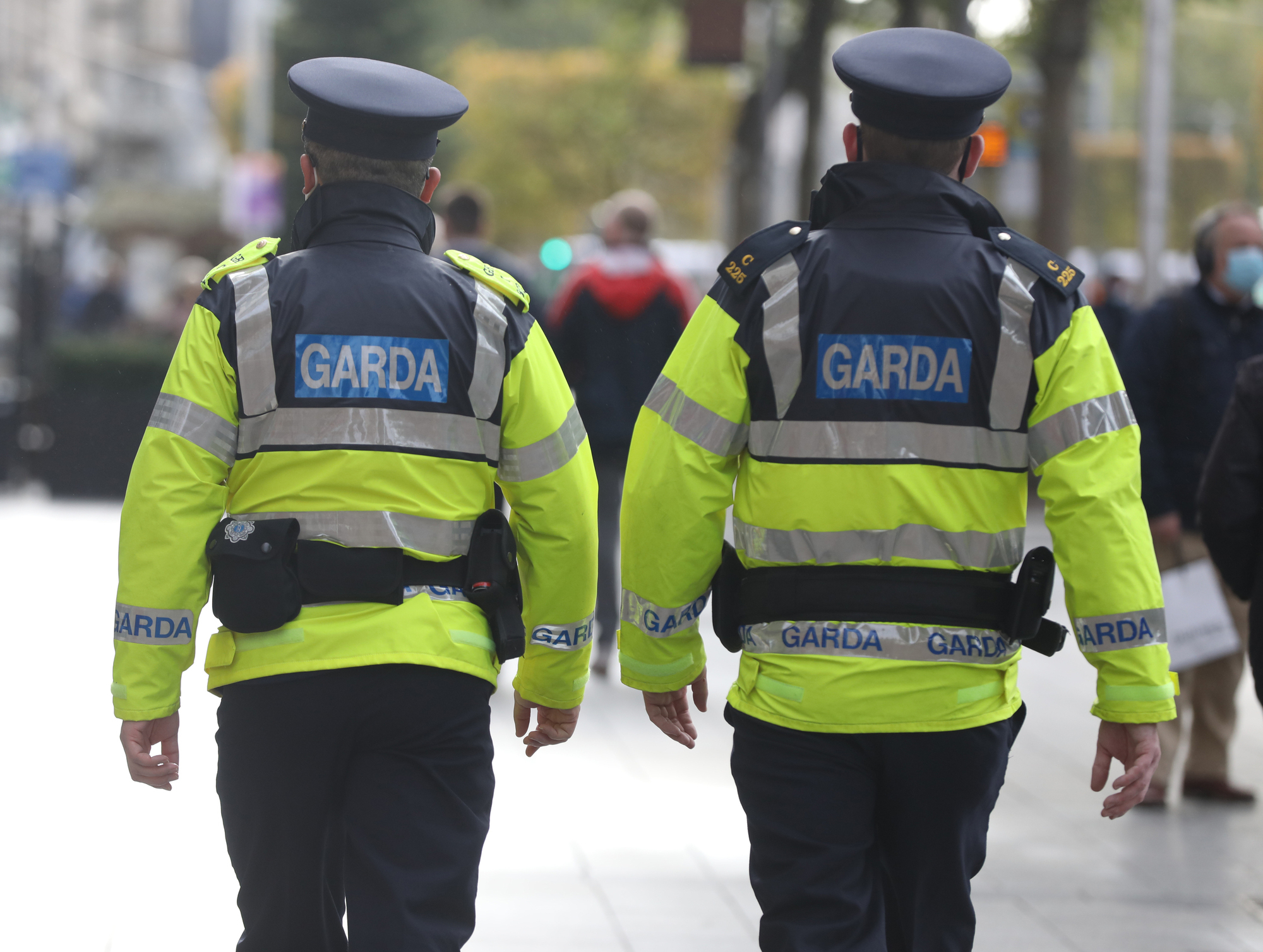
The director of community safety will be set the challenge of monitoring how various independent agencies — including the HSE and Tusla — are working with An Garda Síochána on what is a new statutory duty. File photo: Leah Farrell / RollingNews.ie
The Government has advertised for a new "community safety" boss who will have the responsibility to ensure State agencies are co-operating with each other in preventing harm in the community.
The director of community safety will be set the challenge of monitoring how various independent agencies — including the HSE and Tusla — are working with An Garda Síochána on what is a new statutory duty.
The position, and the National Office of Community Safety (NOCS), is part of a new structure — from the Government down to local bodies — that will drive implementation of provisions set out in the Policing, Security and Community Safety Act.
This legislation, enacted last February, is the Government’s flagship policing reform bill, which seeks to implement much of the recommendations of the Commission on the Future of Policing in Ireland (CoFPI), which reported in September 2018.
The act expands the statutory responsibilities of An Garda Síochána beyond the prevention and investigation of crime to include the prevention of “harm”.
The CoFPI report found that the “majority” of the work of gardaí was spent on “harm prevention” — that is, providing services and assistance to people with mental health and addiction conditions, homeless people, children, the elderly and others.
The commission report said local authorities, health, child and other social services should be “required by law” to work with gardaí to protect people from harm. The act, which will be commenced later this year, enshrines these recommendations.
Justice Minister Helen McEntee said: “The Policing, Security and Community Safety Act will make the prevention of harm a specific statutory objective of An Garda Síochána. However, it will also place statutory obligations on departments and public service bodies to co-operate with each other to improve community safety.
“The new legislation establishes national structures to provide strategic direction and ensure that collaboration is working, and provides for the establishment of local community safety partnerships to develop local safety plans that are tailored to the priorities and needs identified by communities themselves.”
This will be the first time the likes of Tusla and the HSE will be legally obliged to co-operate with gardaí, both during office hours and out of office hours.
Sources say this will have obvious implications in terms of staffing levels, with both Tusla and the HSE dealing with chronic shortages, including in areas like social workers and psychiatric nursing, seen as two key professions in preventing harm in the community.
The director and his/her office will have other government and statutory layers to work with. The office works under a National Community Safety Steering Group — comprising of officials — and the Minister for Justice. A Cabinet Committee will provide national guidance.
The NOCS will also work beside a new Policing and Community Safety Authority (PCSA), which brings together the Policing Authority and the Garda Inspectorate into an expanded role. The local community safety partnerships will work under both the office and the PCSA.
Overseeing the new structure is a National Strategy on Community Safety, which has not yet been published by the Department of Justice. The director will appear before both the PCSA and the Oireachtas Justice Committee.
The position will be at the grade of principal officer and attract a salary of €106,000-€130,000 for a term of five years, which can be renewed. The deadline for applications, to the Public Appointments Service, is April 18.