RTÉ to 'do what it can' for those who should have been full-time employees
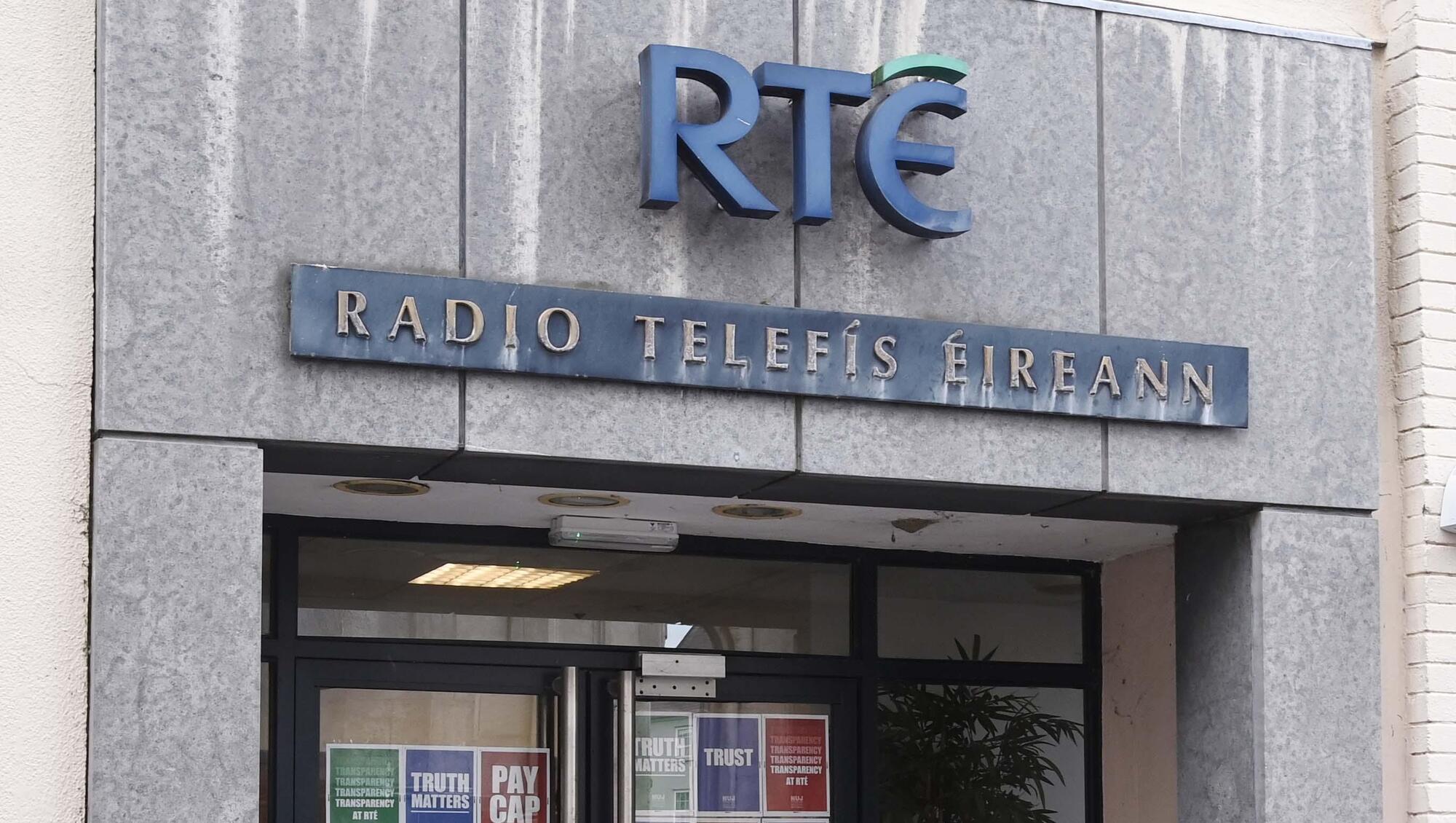
Workers are now wondering what compensation they could or should receive from the broadcaster relating to years of unpaid pension contributions and other worker entitlements denied to self-employed contractors.
RTÉ says it will “do what it can” for employees who worked as bogus self-employed contractors before being informed they should have been full-time employees all along.
A spokesperson for the broadcaster said that RTÉ director general Kevin Bakhurst “is on record as saying that RTÉ will do what it can to address issues relating to individuals contracted by RTÉ and who should have been given employee status”.
“This relates to a range of individuals, with very different circumstances, often going back many decades, and as a result, the process is a very complex and time-consuming one," the spokesperson said.
The response follows interviews by the with several RTÉ employees, all of whom had worked as self-employed contractors for a minimum of six years before being given full-time contracts, and all of whom have since been informed by a review by the Department of Social Protection that they had effectively been employees of the station.
Those workers, and many like them, are now wondering as to what compensation they could or should receive from the broadcaster relating to years of unpaid pension contributions and other worker entitlements denied to self-employed contractors.
One of those employees noted that Mr Bakhurst had told the Oireachtas last September that there was a moral case, if not a legal one, for former broadcaster Ryan Tubridy to repay €150,000 that RTÉ had paid him for a series of personal appearances at Renault dealerships which had never occurred.
“Kevin Bakhurst said there was a moral case for Ryan Tubridy to pay back the money he owed from the Renault gigs,” the worker said.
“So why is there no moral imperative to pay loyal workers back for the benefits they were denied?”
RTÉ said that Mr Bakhurst’s “on record” commitment for the broadcaster to do what it can for the bogus self-employed workers at the station includes media interviews, town hall meetings with RTÉ staff, and the director general’s recent appearance at the Oireachtas Media Committee on February 14.
“We are dealing with a significant range of people and the scope section (the Department of Social Protection’s employment status evaluation unit) has and continues to engage with us,” Mr Bakhurst said during that appearance.
He estimated that RTÉ’s liability to the Department in terms of unmade PRSI contributions on the back of bogus self-employment would likely amount to €15m. This figure does not appear to account for any possible restitution for the affected employees.