Irish drug gangs among 800 groups threatening EU security
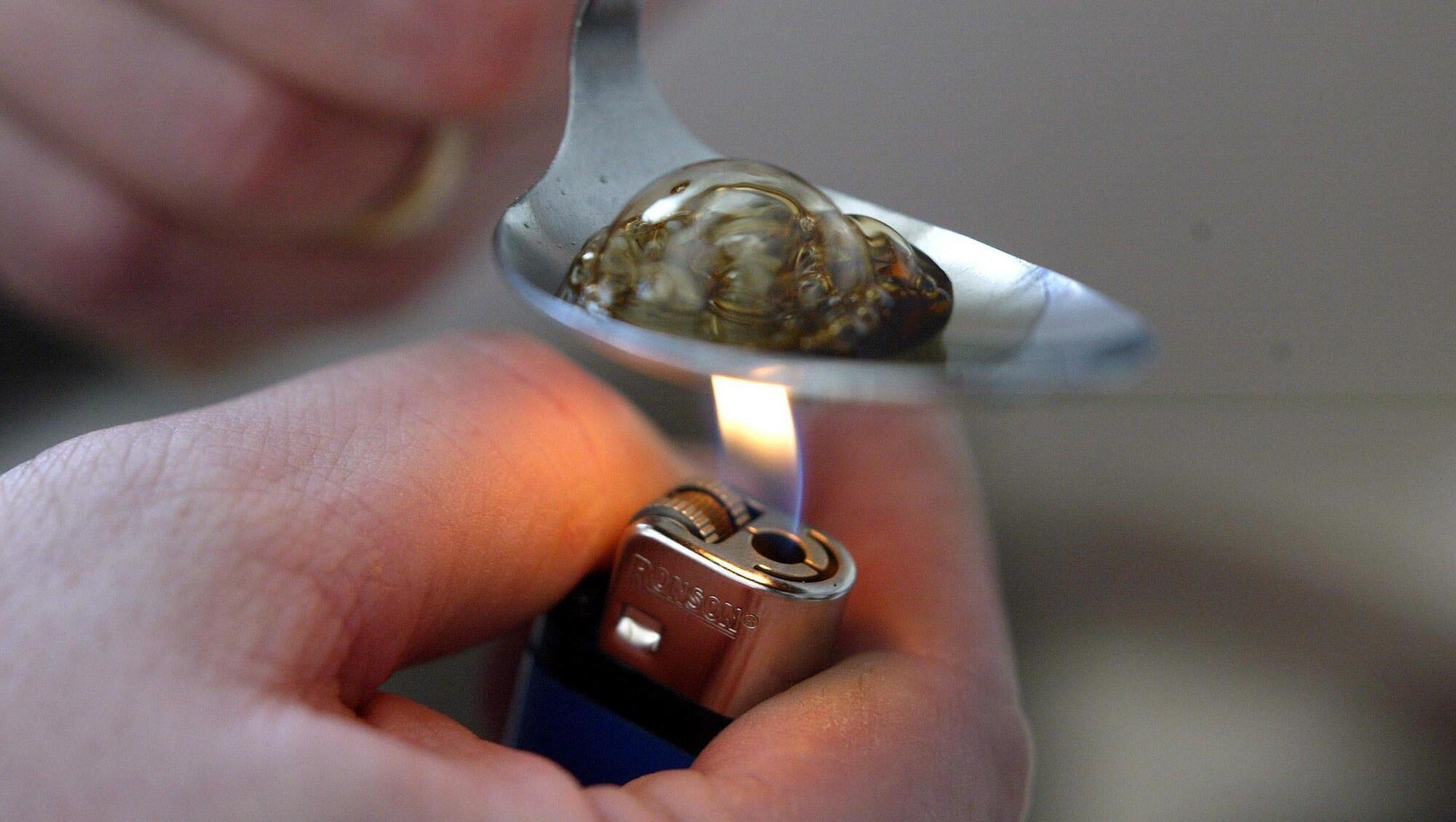
US Drug Enforcement Agency intelligence suggests that there is a strategy among Mexican cartels to control the crystal meth market worldwide.
There are 800 criminal groups in the EU that are posing a “real threat” to the internal security of the union.
The estimate, compiled by Europol, the EU police agency, incorporates figures supplied by member states and other countries.
It is not clear how many Irish networks are on the Europol list, but it is understood that gardaí assess there are at least 15 drug gangs operating at a national level in Ireland.
The bulk have international connections and many, such as the Kinahan crime cartel, have direct links with cartels in Colombia and Mexico.
Europol and the EU drugs agency, EMCDDA, said in a report that there was “increasing use” of EU countries as a “transit point” for the global shipment of cocaine, with evidence of greater collaboration between Latin American and European criminal networks.
Last month, over half a tonne of crystal methamphetamine was seized in Cork Port bound for Australia, having been shipped here by a Mexican cartel.
The use of Ireland as an export country of a shipment can significantly lower its assessed risk in the eyes custom agencies in the destination country.
EMCDDA director Alexis Goosdeel said US Drug Enforcement Agency intelligence suggests there is a strategy among Mexican cartels “to control that [crystal meth] market worldwide”. This has involved Mexican “cooks” being sent to work in industrial laboratories in the Netherlands and Belgium.
Europol is completing an assessment of criminal networks posing the most serious threat to the EU.
Europol director Catherine De Bolle said this “mapping exercise” is the result of consultations with all 27 members states.
Security sources believe this analysis by Europol of “high level targets” is critical, and was harmonising definitions across member states and allowing for the targeting of resources.
At the launch of the EU Drug Markets Analysis 2024, Ms De Bolle flagged the recruitment of young people as active members of criminal networks — where, in some cases, they are “tasked to commit killings”.
“It’s really an area we have to work on,” she said, calling for greater intervention by health, education, and community services.
Mr Goosdeel said that if the ban on opium production continued in Afghanistan then, at some stage, there will be a “drought of heroin” in Europe.
He said there was “certainly a major risk” that people using heroin “will be pushed” to changing substances and that this could include synthetic opiates, such as nitazenes.
Nitazenes were connected to 77 overdoses in Dublin in Cork last November and December, and a HSE red alert remains in place.

CONNECT WITH US TODAY



Be the first to know the latest news and updates