Number of pharmacies offering needle exchange scheme to drug addicts set to fall by 25%
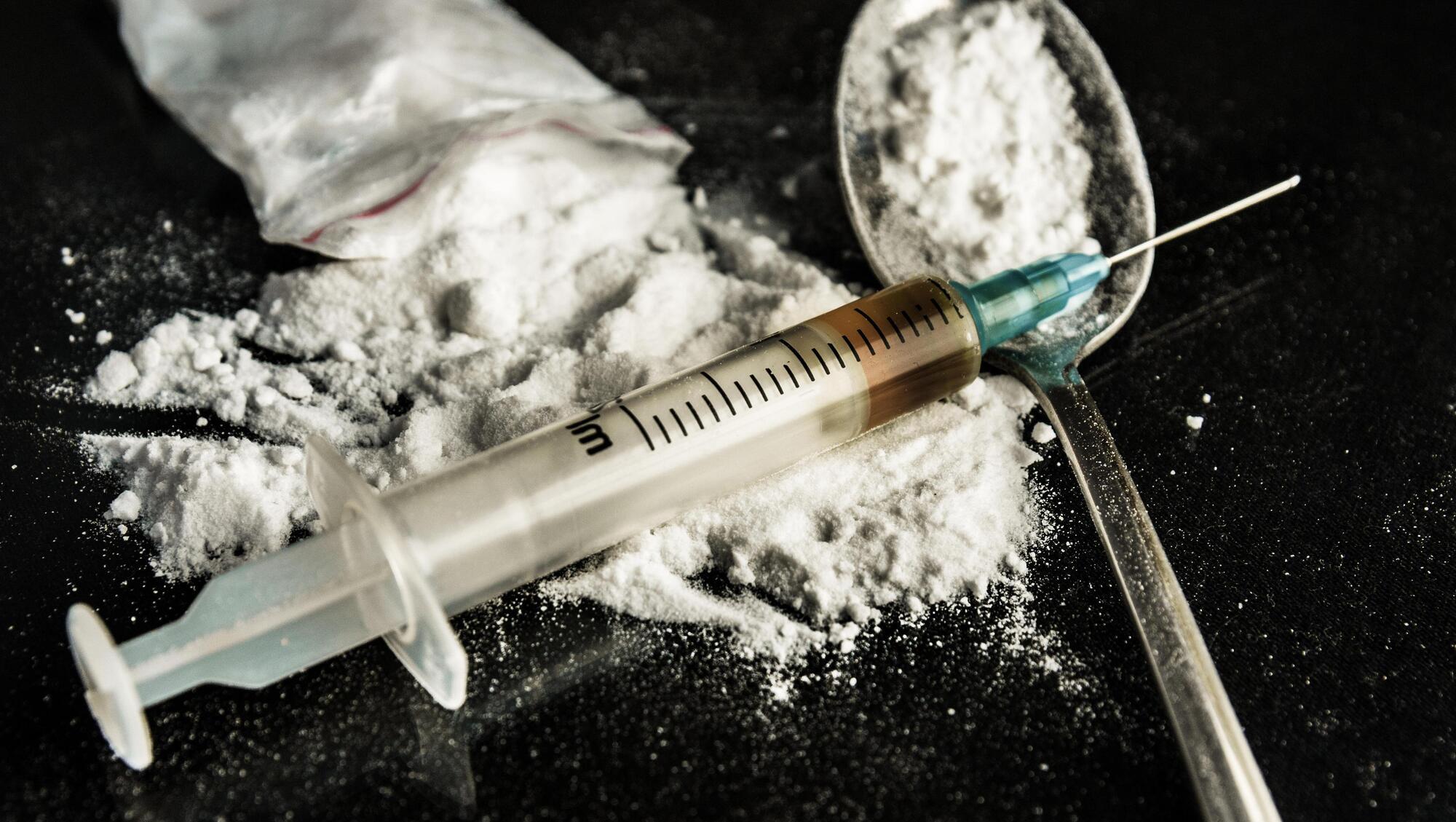
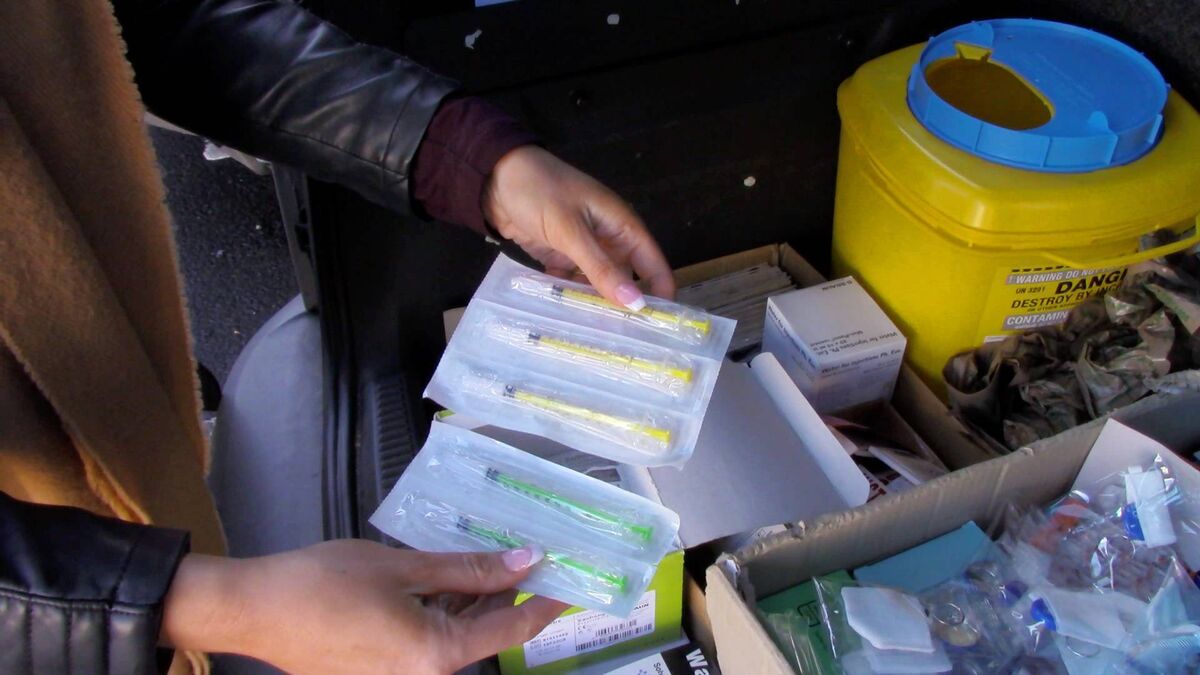
Needle exchange service at pharmacies provide sterile equipment to drug addicts as a harm reduction initiative.
The number of pharmacies providing drug needle exchange programmes could fall by a quarter in the coming years, with a new report calling for the scheme to consider broadening its scope — including allowing for the provision of sterile crack pipes.
A new report for the HSE has shown a 7% fall in the number of people using the programme, first introduced in 2011, while the number of pharmacies engaged with the programme has fallen by 18% since 2015. The number of needle exchange packs dispensed per month also fell in 2022, as did the number of sterile needles provided.
Needle exchange services provide sterile injecting equipment to people who inject drugs (PWID) as a harm reduction measure to reduce the impact of sharing used injecting equipment and reduce the risk of infection from discarded needles.
However, the report — written by Dr David Evans and Prof Eamon Keenan for the HSE's National Social Inclusions Unit — said that the "declining usage and the reduction of pharmacies delivering the HSE Pharmacy Needle Exchange Programme should be examined with a view to developing an action plan for the future development of the service".
It also recommends a survey "to quantify the reasons for withdrawal” from the scheme and a new profile of those using the programme — focussing on whether additional harm reduction measures should be rolled out, such as the provision of sterile 'crack pipes'.
The use of crack cocaine is also a factor behind another recommendation, that additional training for pharmacies be provided to encourage ongoing participation in the programme, particularly in terms of emerging trends and any challenges that these cause in terms of service delivery.
The report shows that 90 pharmacies are engaged in the scheme and that 1,612 people used it per month in 2022, while 3,775 sterile needle packs were provided and 21,296 sterile needles per month were provided the same year.
However, key aspects of the scheme have been in overall decline, with the report stating: "It is forecast that by 2027, the number of pharmacies will decline by a further 25%."
"The reasons why the programme has declined in terms of the number of pharmacies participating and the level of usage warrants further investigation," it said.
"During this period there has been a decline in estimates of problematic opioid use in Ireland, but this decline has not been significant, suggesting that there may be other factors which explain these patterns. For example, does this represent a reduction in the number of people injecting drugs or are PWID choosing to obtain injecting equipment elsewhere (such as accessing low threshold local needle exchange services or travelling to the larger needle exchange programmes in Dublin), for reasons such as to get other drugs or for anonymity?
"Recent prevalence studies have highlighted the increase in cocaine use in Ireland and identified the emergence of ‘crack’ cocaine use among a marginalised population that may previously have used heroin. If PWID are also using cocaine, additional harm reduction initiatives may be required (such as the provision of sterile ‘crack’ pipes).”
A spokesperson for the Irish Pharmacy Union, which represents pharmacists, said: "The number of pharmacies providing this service has dropped by 18% since 2015. The report also states no research has been done as yet in this area to identify any factors that may be causing this decline. However it does flag there are other needle exchange options which may influence PWID choice and so possibly for some community pharmacies there are not the patient numbers to warrant continuing the service.
"We would welcome any opportunity to work with our pharmacist colleagues in the HSE addiction services to investigate the reasons for the reduction in community pharmacies offering this service, and develop any supports required to enable community pharmacies to take part in the scheme.”

CONNECT WITH US TODAY



Be the first to know the latest news and updates