El Niño weakening but still bringing record breaking temperatures
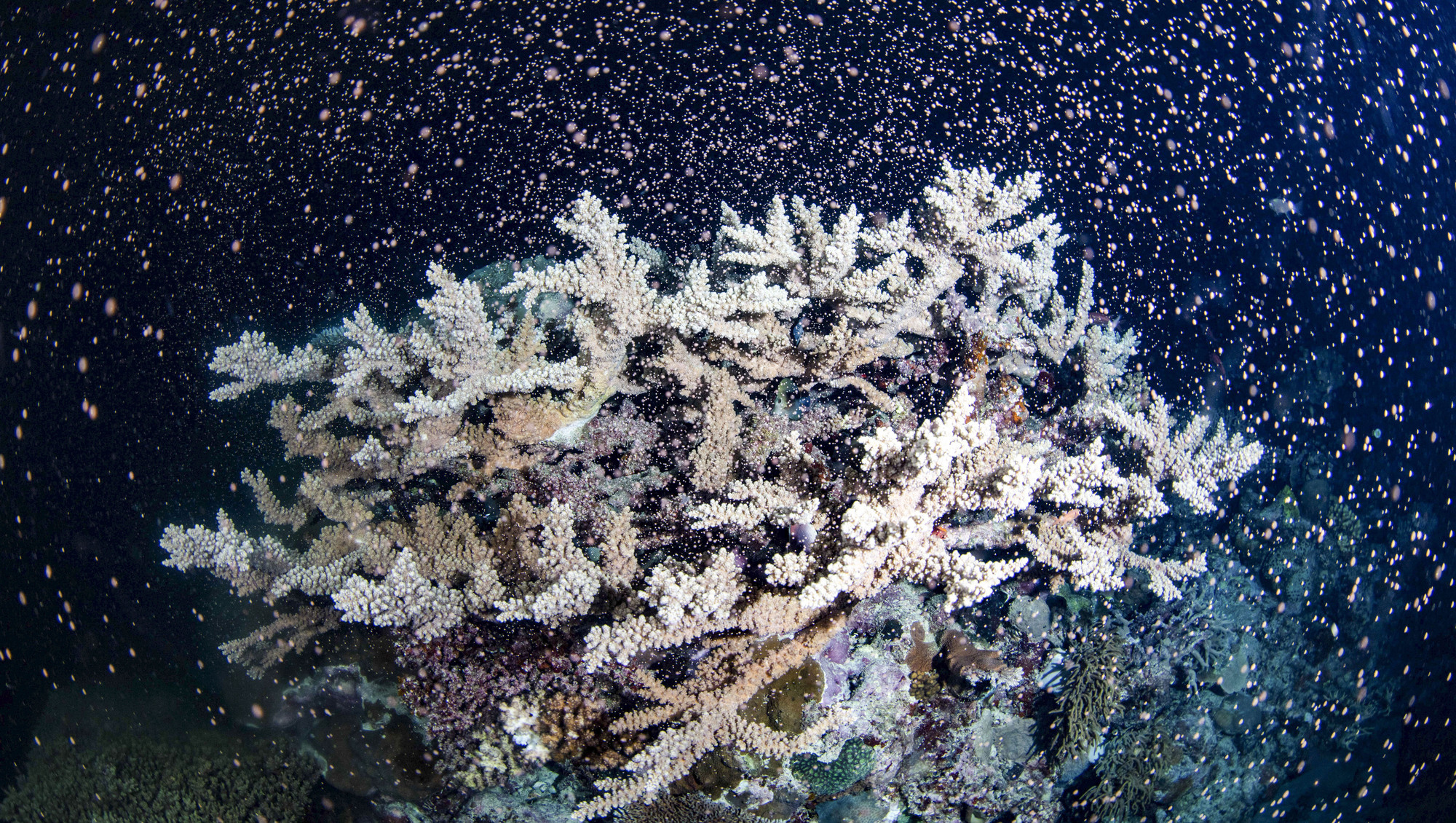
Meteorologists have warned that ocean surface temperatures in the Pacific clearly reflect El Niño. Picture: Gabriel Guzman/Calypso Productions via AP.
The climate phenomenon known as El Niño has begun to weaken, but will still bring record breaking temperatures to the globe this summer, meteorologists have said.
The World Meteorological Organisation (WMO) said there is around a 60% chance of El Niño persisting during March and May, while there will be neutral conditions (neither El Niño or La Niña) in April to June.
El Niño is a naturally occurring weather pattern which sees heat released from the Pacific Ocean, however it is helping to contribute to record rising temperatures alongside global warming caused by human behaviour.
It occurs every two to seven years, and can last from nine to 12 months. La Niña is the cooling of ocean surface temperatures in the central and east-central equatorial Pacific.
The latest report from the WMO said the 2023 to 2024 El Niño was one of the five strongest on record. It is, however, weakening while impacting the global climate for the next few months.
“Every month since June 2023 has set a new monthly temperature record — and 2023 was by far the warmest year on record” WMO secretary-general Celeste Saulo said.
“El Niño has contributed to these record temperatures, but heat-trapping greenhouse gases are unequivocally the main culprit.
“Ocean surface temperatures in the equatorial Pacific clearly reflect El Niño. But sea surface temperatures in other parts of the globe have been persistently and unusually high for the past 10 months.
“The January 2024 sea-surface temperature was by far the highest on record for January. This is worrying and cannot be explained by El Niño alone”.
Overall, the study found:
- El Niño peaked in December, as one of five strongest on record.
- El Niño and climate change fuel record temperatures and extreme events.
- Global ocean temperatures are record high.
- Early warnings and climate services save lives and livelihoods.
Ms Saulo said early warnings can help save lives, adding that “El Niño events have a major impact on societies and economies".
“Accurate seasonal forecasts from the WMO community helped countries prepare in advance to try to limit the damage in climate sensitive sectors like agriculture, water resources and health," she added.
“Early warnings of weather and climate extremes associated with El Niño have saved countless lives”.
El Niño is also associated with increased rainfall which has caused flooding in the Horn of Africa and the southern United States of America.
While there have also been unusually dry and warm conditions in South East Asia, Australia, and southern Africa.
It has also worsened the drought in northern South America and has also contributed to drier and warmer conditions in parts of southern Africa.
CLIMATE & SUSTAINABILITY HUB