More than a third of Irish people believe natural occurrences contribute to climate change
EPA director Dr Eimear Cotter said believing climate change is caused equally by human activity and natural change was âwrongâ and there was a scientific consensus climate change is man-made.
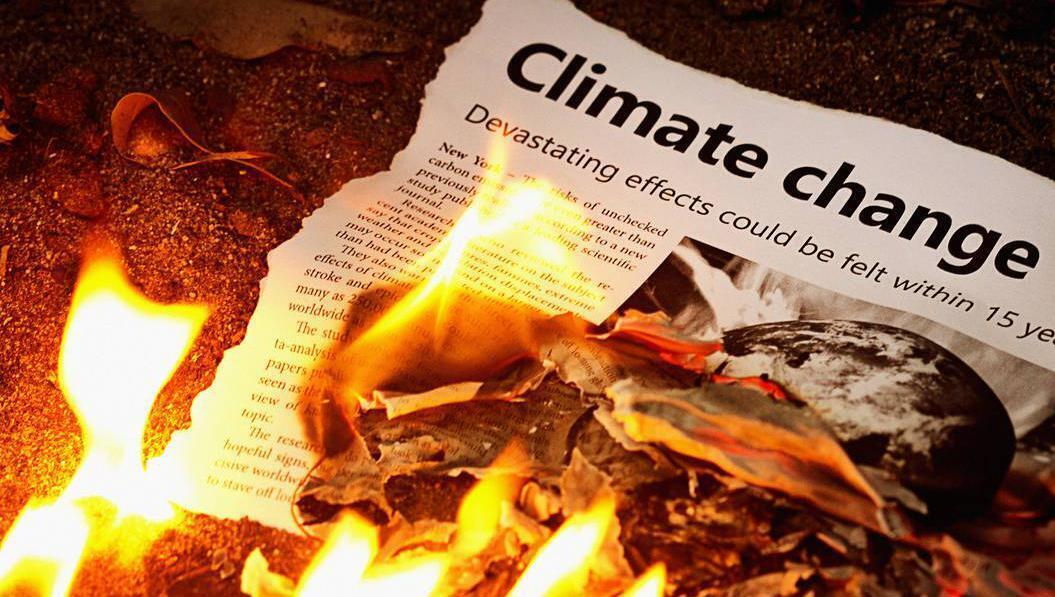
Almost 40% of people wrongly believe climate change is jointly caused by people and natural occurrences, despite overwhelming scientific consensus it is down to human activity.
Large numbers of Irish people overestimate the impact their own actions are having on the climate, while support for policies such as higher taxes on petrol or diesel cars and bans on peat, coal and oil for home heating has fallen, an in-depth new survey on Irelandâs attitude to climate issues has found.

The large-scale project from the Environmental Protection Agency is the second wave of its analysis on public attitudes and understanding in this area.

EPA director Dr Eimear Cotter said believing climate change is caused equally by human activity and natural change was âwrongâ and there was a scientific consensus climate change is man-made. âWe do need to do more to help people in their understanding," she said.Â
The study found more people are worried now about climate change and how it might affect them through instances of severe storms and extreme heat, while four in five people (79%) say climate change should be a âhighâ or âvery highâ priority for Government.
When it comes to taking action, just one in eight people (12%) said Ireland was âtoo small to make a difference on climate change and should let others take the leadâ, while the majority say Ireland has a responsibility to do what it can.
However, the survey also found that fewer than a quarter of people (23%) correctly identified that using reusable shopping bags only had a small contribution to reduce their carbon footprint, with just under a third (30%) identifying habitual recycling makes a âmediumâ contribution.
It also found "people do not understand the contribution of eating less meat, or of changing to a plant-based diet to the average personâs carbon footprintâ.
While there is strong support on actions such as investing in public transport, upgrading homes to be more energy efficient and grants for electric vehicles, support for other measures to tackle emissions have fallen.

The EPA said: âWhile still retaining majority backing, the support for prohibitive policies has weakened in 2023 compared to 2021.
âThe overall proportion supporting bans on peat, coal and oil for home heating has decreased by nine percentage points to 59% since 2021, and overall support for higher taxes on cars that use petrol or diesel has decreased by 13 percentage points to 51%.âÂ
Desmond OâMahony from the EPAâs behavioural insights team said this weakening support was not linked to âideologyâ or a belief climate change is not a serious issue.
He said there was huge support for âsystems changesâ that could facilitate changes âat the other endâ.
âIf you have access to good quality public transport in your area, it doesn't really matter what the prices of private cars and private vehicles are because one is helping the other,â he said.
The survey of the public found most people in Ireland say they know at least a moderate amount about climate change, nearly everyone thinks it is happening but only 30% of people correctly identified agriculture as the largest source of the pollution that causes climate change.
Furthermore, many overestimated the climate impact of action such as recycling or using reusable bags.
While over half of respondents believe people in Ireland are being harmed now by climate change, a further 21% said it would happen in the next 10 years.
Dr Cotter said the results show the public has an âemotional reactionâ to climate change.
âEighty nine per cent of people say climate change is personally important to them, and a majority want to see the Government prioritise climate action,â she said.
âAnd importantly, people are seeing the positive benefits attached to that climate action, be it in terms of quality of life, economic opportunities and jobs.âÂ
EPA director general Laura Burke said: âWe know that Ireland is experiencing the impacts of climate change.
âPeople are engaged with this issue, talking about it with their friends and families and hearing about it frequently in the media.â
CLIMATE & SUSTAINABILITY HUB